
Global Collaboration in Regenerative Engineering and Healthcare
The recent plenary lecture delivered by Professor Sir Cato T. Laurencin at the American Chemical Society Global Scientific Conference in Mumbai, India has sparked an engaging discussion among professionals in academic research, technological innovation, and the industrial manufacturing sectors. During this high-profile event, Professor Laurencin—a pioneer in the field of regenerative engineering—captured audience attention with his forward-thinking ideas on how innovation and multidisciplinary collaboration can lead to breakthrough developments in healthcare, biomaterials science, and clinical applications.
In our connected world, where even small business ventures can experience ripple effects from scientific progress, the conference underscored the importance of bridging the gaps between research, industry, and education. Attendees from across the globe gathered not just to listen, but to take part in a dialogue that transforms discovery into measurable impact. This event represents more than an academic milestone; it offers insights applicable to entrepreneurs, manufacturers, and policy makers who work hard to figure a path through the tricky parts of fostering innovation in today’s complex and interconnected economy.
Academic Leadership and Transformative Breakthroughs in Medical Innovation
Professor Laurencin’s lecture, entitled “Regenerative Engineering: Frontiers of Convergence,” ignited conversations centered on the transformative nature of merging disciplines such as materials science, stem cell biology, and clinical research. Rather than simply facing the tangled issues of modern medicine, this approach encourages professionals to work through multiple fields, from chemical engineering to biomedical innovation, to reconstruct damaged tissues and organ systems. His emphasis on convergence has encouraged stakeholders to tackle the fine details of healing from the ground up.
What sets Professor Laurencin apart is his ability to connect with audiences on both the scientific and practical levels. His leadership in developing technologies that pare down intimidating intricacies into manageable steps provides a roadmap for emerging professionals in both academia and industry. Visionaries like Laurencin inspire small business owners and large manufacturing firms alike, offering insights into creating products and services that not only meet clinical needs but also generate substantial economic impact.
Bridging the Gap Between Research and Industry Challenges
In today’s economy, where every innovation can fuel new business opportunities, the lessons from regenerative engineering are both inspiring and actionable. The fields of biomaterials science and nanotechnology are riddled with challenges—often loaded with problems—that can appear overwhelming at first glance. However, innovative research like that of Professor Laurencin breaks down these complicated pieces by offering clear strategies to address each twist and turn.
For business leaders in fields such as automotive and industrial manufacturing, understanding the cross-industry applicability of breakthroughs in regenerative engineering can be key. For example, the same principles that drive tissue regeneration can inform the development of new manufacturing techniques, improving material strength and durability in products ranging from electric vehicles to heavy machinery. The global exchange of ideas, as witnessed at the ACS conference, provides a valuable model for companies that must both steer through industry-specific regulations and figure a path toward embracing new technological advances.
Cross-Border Impact and Mentorship in International Education
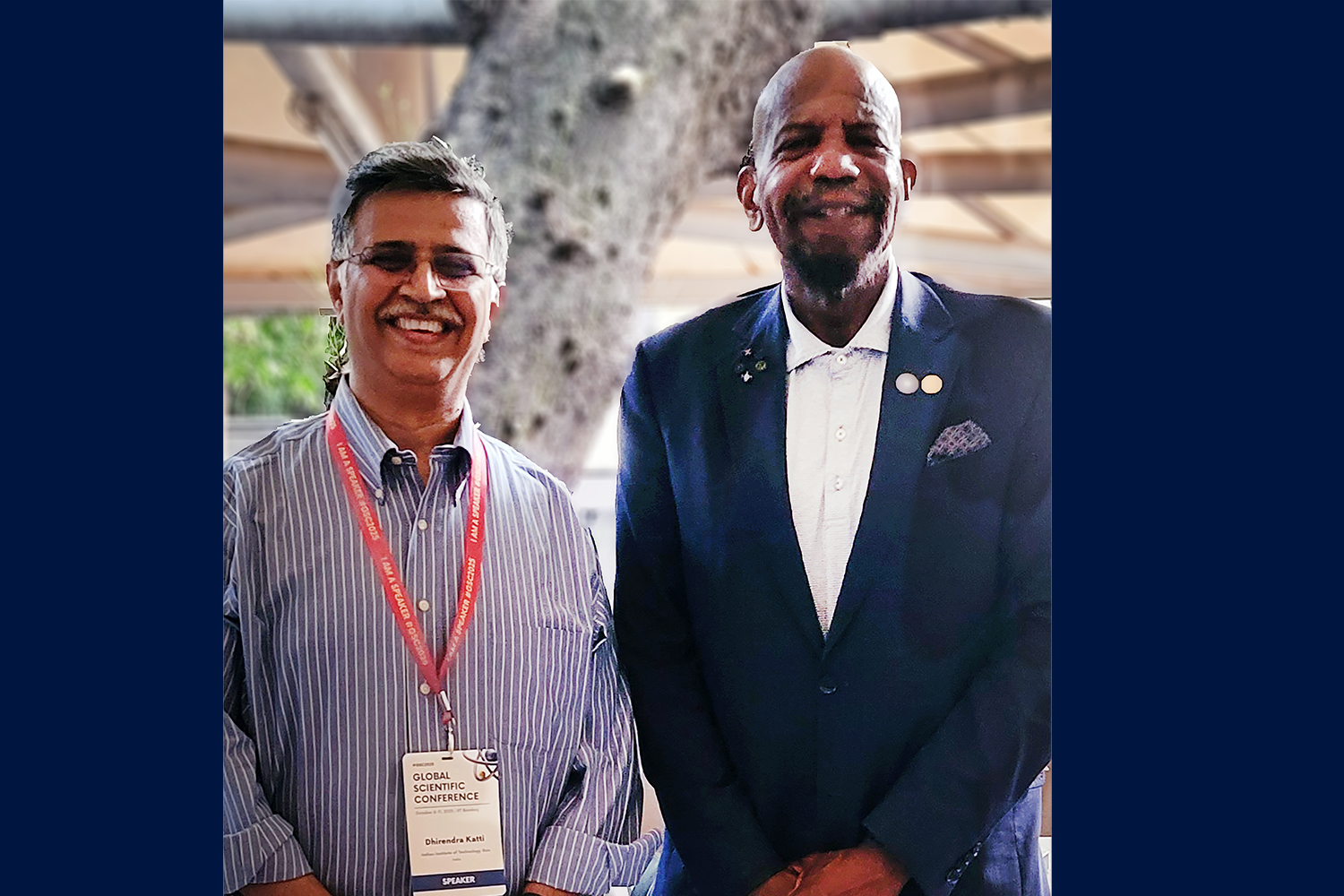
Professor Laurencin’s international engagement underscored the critical role of global academic partnerships. His visit to India did not only highlight his research achievements; it also served as an inspirational touchstone for emerging scholars. Meeting with his former student, Professor Dhiru Katti, now at the helm of the Indian Institute of Technology at Goa, reinforced the fact that mentoring and nurturing new talent is an essential part of academic leadership.
Such cross-border academic alliances provide a robust framework for addressing the subtle parts of global challenges. When researchers from different countries collaborate and share their insights, they move beyond trivial boundaries. This collaborative spirit can benefit burgeoning industries, including electric vehicles and advanced manufacturing, by ensuring that innovations are not developed in isolation but benefit from a diverse range of perspectives.
Mentorship and Its Role in Advancing Global Healthcare
This conference exemplified the positive effects of mentorship on the international stage. Professor Laurencin’s engagement with students and peers illustrated how sustained academic guidance can help tackle those nerve-racking obstacles encountered along the journey of research and product development. By investing in the next generation of researchers and engineers, academic institutions globally are taking decisive steps toward creating a future where innovation is not confined by geographical boundaries.
Moreover, such mentorship not only enriches the academic community but also has ripple effects in small business and industrial sectors. As emerging technologies move from the lab to the market, a well-prepared talent pool can accelerate product development, improve competitiveness, and drive economic growth. Industry leaders who appreciate the value of mentorship can work with educators to design programs that allow for a smoother transition of knowledge from universities to boardrooms and production lines.
Integrating Regenerative Engineering Into Broader Technological Applications
At its essence, regenerative engineering represents a paradigm shift that transcends traditional boundaries. The idea that materials science, stem cell research, and clinical practice can converge to create solutions for tissue regeneration opens new doors not only for healthcare but for a host of other industries including automotive, manufacturing, and even small business innovation.
For instance, in the competitive world of electric vehicles, manufacturers are constantly seeking materials that are both lightweight and highly durable. The research stemming from regenerative engineering has led to the discovery of advanced biomaterials that could well be adopted to produce safer, more reliable vehicle components. As companies grapple with regulatory changes and rapidly evolving market demands, learning from fields that have managed to consolidate multiple areas of expertise promises to be a super important approach to overcoming tangled issues.
The Symbiotic Relationship Between Innovation and Industrial Manufacturing
Industrial manufacturing is no stranger to the challenges of working through layered and often intimidating design hurdles. Whether it is ensuring product durability or managing intricate supply chains, manufacturers require solutions that are both proven and adaptable. Here, regenerative engineering provides useful strategies by emphasizing flexibility and cross-discipline integration. The same innovative spirit that drives advances in healthcare can help manufacturers improve product design, reduce waste, and elevate quality standards through the application of novel materials and manufacturing techniques.
If there is one lesson we can take away from Professor Laurencin’s career and his address at the ACS Global Scientific Conference, it is that innovation is best boosted when experts from misaligned fields work together to solve common problems. With the right mix of resources and talent, even those with nerve-racking challenges can be transformed into opportunities ripe for pressing into service across various industries.
Key Achievements in Biomaterials Science and Nanotechnology
Professor Laurencin’s contributions to regenerating tissues and organ systems have not only revolutionized medical science but have also set a high standard for other researchers to follow. His dedication to dissecting the fine points of biomaterials science has eventually led to the practical application of these discoveries in clinical settings. When considered through the lens of industrial manufacturing and automotive industries, the lessons learned in regenerative engineering are far-reaching.
The field of nanotechnology has, in recent years, experienced an explosion of interest due to its ability to address those hidden complexities that often slow down the advancement of new products. The precision and scale at which nanotechnology operates mean that, in collaboration with bio-engineering, it might bring about new standards in the development of next-generation products. Manufacturers who are willing to explore these fine shades of scientific progress can unlock breakthroughs in materials, energy efficiency, and product safety.
Recognizing Outstanding Achievements Through Awards and Honors
A testament to Professor Laurencin’s influence is the long list of prestigious awards he has garnered over his career. Recognitions such as the Priestley Medal from the American Chemical Society and the NIH Director’s Pioneer Award reflect not only the groundbreaking nature of his work but also the possible ripple effects across several related fields. The establishment of awards in his name further cements his status as a true trailblazer whose work continues to inspire peers and future innovators.
| Award | Description |
|---|---|
| Priestley Medal | The highest honor awarded by the American Chemical Society in recognition of outstanding contributions to the field. |
| NIH Director’s Pioneer Award | Acknowledges innovative research with promise for significant advancement, hailed as the top research accolade from the National Institutes of Health. |
| Founder’s Award from the Society for Biomaterials | Celebrates exceptional leadership and pioneering work within the field of biomaterials and regenerative engineering. |
| Von Hippel Award | Honors significant contributions in materials science, reflecting the lasting impact of innovative research. |
| James Bailey Award | Recognizes excellence in biological engineering, underscoring the transformative nature of convergent research methodologies. |
This table summarizes some of the super important accolades that mark the hallmark of Professor Laurencin’s career, drawing connections between innovative research and practical impact in both academic and industrial sectors.
Translating Innovative Research into Economic Impact
While Professor Laurencin’s achievements might appear as the preserve of high-level academic discourse, the ripple effects extend well into the operational realms of small business and industrial manufacturing. The very principles of regenerative engineering—cross-disciplinary collaboration, integration of fine details, and relentless pursuit of practical application—mirror the strategies that many businesses employ to succeed in an ever-changing economic landscape.
In a market driven by the need to steer through complicated pieces such as regulatory requirements and the shifting demands of consumers, leveraging advanced research can be a must-have strategy. Business leaders can take a closer look at how these scientific achievements can inform product design, streamline operations, or even create entirely new market segments. For example, advances in biomaterials might eventually lead to the development of more efficient production techniques that reduce waste while enhancing product quality.
Small Business Innovation and the Role of Research-Driven Strategies
Small businesses, which often struggle with the intimidating aspects of scaling up innovation, can benefit greatly from the strategic insights provided by breakthroughs in fields such as regenerative engineering. The practical approach of merging academic concepts with real-world challenges offers a roadmap for startups and established enterprises alike to make their way through tangled issues.
The first step for many entrepreneurs is to assess how emerging technologies can be adopted without overwhelming existing operations. Consider the following points when planning to integrate pioneering research into a business model:
- Identify the Overlapping Areas: Look for common threads between innovative research and current business challenges.
- Create Collaborative Partnerships: Form alliances with academic institutions or research centers to benefit from cutting-edge insights.
- Invest in Employee Training: Ensure that the team understands the small distinctions and practical applications of advanced technologies.
- Pilot New Initiatives: Test out innovative ideas on a small scale before full implementation to manage those tricky parts of change.
By working alongside research experts and investing in the future, small business leaders can turn what seems like a nerve-racking challenge into a structure that fosters growth, scalability, and renewed competitiveness across the board.
Economic Implications and Policy Considerations
The advances in healthcare and manufacturing driven by regenerative engineering have important economic implications. As technologies evolve, the economy experiences shifts that require businesses to get into innovative strategies and find their way around evolving regulatory landscapes. This discussion is particularly relevant in industries like automotive and electric vehicles, where material improvements can directly affect cost structures, production timelines, and overall market competitiveness.
Policy makers have a super important role to play in creating an environment that encourages the kind of multidisciplinary innovation championed by figures such as Professor Laurencin. When robust regulatory frameworks and targeted fiscal incentives align with academic breakthroughs, the result is a vibrant ecosystem that nurtures continuous improvement and competitive growth. Policies that support research funding, protect intellectual property, and facilitate international collaboration can be the key to unlocking transformative economic benefits.
Key Policy Considerations for Fostering Industry Innovation
To ensure that scientific progress translates into economic growth, several policy measures must be considered. Here are a few areas where policy makers can focus their efforts:
- Increased Research Grants: Offer support to institutions exploring convergent research areas that address real-world challenges.
- Tax Incentives for Innovation: Provide fiscal benefits to companies that invest in integrating advanced technologies into their operations.
- Facilitating International Partnerships: Implement policies that ease cross-border collaborations and technology transfers.
- Regulatory Support for Startups: Create special economic zones or regulatory environments that help small businesses test and deploy innovative solutions.
These measures, by reducing the intimidating hurdles of innovation, can lead to a more dynamic and resilient economy—one that is receptive to the fine points of modern technological advancements.
The Future of Regenerative Engineering and Its Broader Impacts
Looking forward, the story of regenerative engineering offers promising lessons for a host of industries. The cross-disciplinary approach, which promotes the blending of clinical insights with engineering expertise, is a model worthy of replication. As sectors such as automotive manufacturing, small business innovation, and industrial production push the envelope on what is possible, the principles of convergence and collaboration will only grow in relevance.
At the heart of this evolution lies the understanding that breakthroughs rarely occur in isolation. Just as Professor Laurencin has demonstrated through his storied career, the secret to lasting progress is to combine academic research with practical applications. This synthesis empowers professionals to work through those nerve-racking challenges by addressing each twist and turn with informed, decisive action.
The Role of Digital Transformation in Accelerating Innovation
Another driving force behind sustained economic growth in the modern era is digital transformation. In many ways, the principles of regenerative engineering resonate with the digital revolution: both value precision, require effective collaboration, and aim to tackle small distinctions that make a big difference. Technology firms, startups, and even established automakers are increasingly using data-driven insights to design products, streamline operations, and adapt to the changing demands of consumers.
A closer look at the impact of digital transformation reveals several key areas in which it supports the broader themes of regenerative engineering:
- Data Analytics: Providing granular insights into material performance and consumer preferences, data analytics can pinpoint the subtle parts of production processes that need refining.
- Automation: Automation technologies can minimize human error when working through complicated pieces of manufacturing procedures.
- Collaboration Platforms: Digital tools can foster real-time collaboration between cross-disciplinary teams, enabling them to converge quickly on innovative solutions.
- Remote Innovation: Advances in communication technology allow international research teams to stay connected, much like the global partnership celebrated at the ACS conference.
For industries such as manufacturing and small business, embracing these digital trends is essential for creating a future that is both agile and robust. Digital tools help reduce the overwhelming hurdles often associated with change, offering a way to steer through challenging periods with confidence and clarity.
Reflections on the Convergence of Knowledge and Practice
The narrative behind Professor Laurencin’s keynote is one of convergence—of ideas, disciplines, and people across borders. His achievements, recognized through numerous awards and international honors, serve as a beacon for those looking to work through the tangled issues that arise when innovation meets the real world. By combining academic rigor with practical application, his work lays out a pathway that other sectors, from automotive to small business, can emulate.
In the face of fast-evolving challenges, it is essential for business leaders, policymakers, and researchers to take a closer look at how interdisciplinary collaboration can facilitate breakthroughs. Here are some of the most telling lessons from this inspiring model:
- Embrace Multidisciplinary Teams: The most effective solutions often emerge when experts from distinct fields pool their knowledge to solve problems that are full of challenges.
- Focus on Practical Application: Innovation is not merely about theoretical breakthroughs but also about applying these advances to create tangible benefits for industry and society.
- Invest in Leadership and Mentorship: Guiding emerging talent is critical, as evidenced by the international partnerships and academic mentoring that have enriched global scientific communities.
- Leverage Technology to Overcome Hurdles: The integration of digital dashboards, advanced analytics, and collaborative platforms can reduce the overwhelming parts of transforming new ideas into market-ready products.
For many industries, these lessons are not merely academic; they provide a practical framework for steering through the nerve-racking challenges that inevitably accompany transformative innovation. By following in the footsteps of leaders like Professor Laurencin, businesses and institutions can tap into a reservoir of creative potential and operational excellence.
Conclusion: A Vision for a Convergent Future
The speech delivered by Professor Sir Cato T. Laurencin at the ACS Global Scientific Conference is a powerful reminder that true innovation arises when professionals from different domains come together to tackle the tangled issues of our time. His work in regenerative engineering—where the priorities of biomaterials science, stem cell research, and clinical practice intersect—offers a glimpse into a future where the integration of knowledge can overcome even the most intimidating obstacles.
As small business owners, industrial manufacturers, and academic institutions look to the future, the model of convergence presented in this lecture is super important. It teaches us that by merging rigorous research with real-world applications, industries can overcome those scary challenges and produce outcomes that benefit both society and the economy. Whether it is by refining product design in the automotive sector, enhancing clinical protocols in healthcare, or driving innovative startups in the small business arena, the core principles of regenerative engineering have far-reaching implications.
By fostering collaborative networks that cross borders and disciplines, we all can contribute to a cycle of innovation that motivates ongoing research and practical progress. The spirit of the ACS conference—a celebration of global academic exchange, shared achievement, and visionary leadership—remains a powerful example for those striving to connect the dots between discovery and impact.
This event is not just a call to action for individual leaders; it is a broader invitation for the entire community to join in a movement that values cross-disciplinary engagement, mentorship, and a steadfast commitment to solving even the most intimidating technical challenges. As we move forward, our ability to figure a path through the complicated pieces of modern industry and technology will be essential for sustained economic growth and improved quality of life worldwide.
Ultimately, the legacy of Professor Laurencin’s work is that it challenges us to dig into the subtle details, manage our way through the rough patches, and appreciate the incredible power of collaborative innovation. The fusion of ideas from the laboratory to the factory floor—and from the classroom to the boardroom—illustrates that when we break down barriers and foster genuine partnerships, we set the stage for breakthroughs that can change the world.
In closing, whether you are an entrepreneur guided by the twists and turns of business taxes and regulatory changes, an engineer exploring the small distinctions in material performance, or a policy maker intent on creating a fertile ground for sustainable innovation, the story of regenerative engineering offers a rich source of insights. It is a reminder that progress is not achieved in isolation but rather through concerted, cross-disciplinary effort—a lesson that is as actionable as it is inspiring.
As we look to the future, let us keep in mind that every transformative journey begins with the courage to take a closer look at the status quo and the determination to work through those nerve-racking challenges. With collaborative spirit, focused mentorship, and a willingness to embrace innovation, the pathways opened by leaders like Professor Laurencin will undoubtedly continue to benefit not only the fields of healthcare and manufacturing but the broader tapestry of our global economy.
Originally Post From https://today.uconn.edu/2025/10/uconn-professor-sir-cato-t-laurencin-delivers-plenary-lecture-at-the-acs-global-scientific-conference/
Read more about this topic at
The Power Of Collaborating With Employees For Innovation
Collaborating for innovation: The inhibiting role of constraints