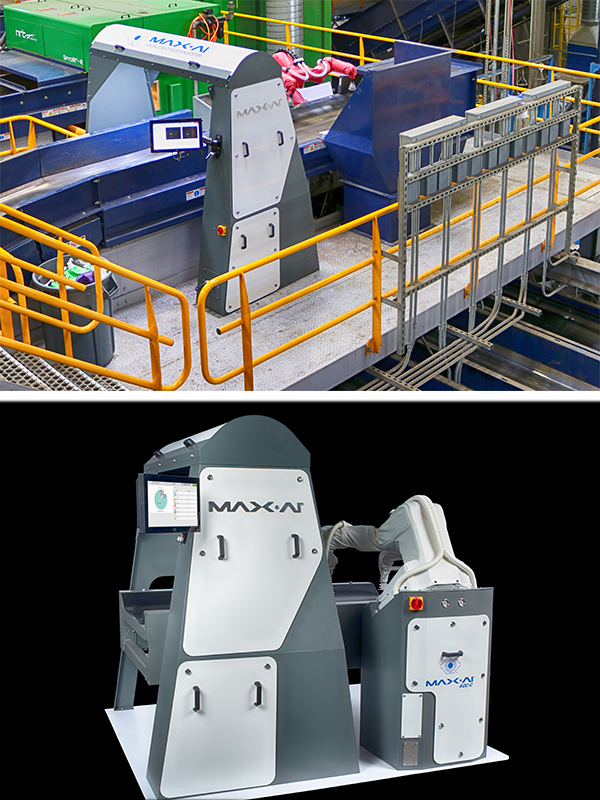

Revolutionizing Metal Recycling with Advanced Robotic Scrap Sorting
In the fast-evolving realm of industrial manufacturing and recycling, the collaboration between Max-AI and Danieli signals a transformative era. This strategic partnership, uniting Danieli’s extensive metal processing know-how with Max-AI’s pioneering artificial intelligence and robotic sorting solutions, is reshaping the metal recycling landscape. As advancements in automation continue to disrupt traditional practices, both companies are geared up to offer next-generation solutions that promise enhanced efficiency, safety, and profitability.
At the heart of the partnership lies an innovative approach, where Max-AI’s proprietary computer vision and AI technology is seamlessly integrated into Danieli’s advanced shredding and processing lines. This union aims to streamline the removal of non-metallic contaminants, increase material recovery rates, and ultimately deliver cleaner, more refined scrap outputs. As we take a closer look at the potential and implications of this move, it becomes clear that both companies are setting the stage for an industrial revolution in metal recycling.
Harnessing Artificial Intelligence for Smarter Recycling Processes
The integration of artificial intelligence into metal recycling is no longer a futuristic dream—it’s becoming a reality. Max-AI’s system leverages real-time data analysis, allowing for the quick identification and sorting of materials. Such cutting-edge technology tackles the tricky parts of material identification and separation within scrap streams.
Instead of relying on conventional methods that are often overwhelmed by confusing bits in scrap sorting, the new integrated system uses computer vision to isolate contaminants effectively. This not only improves the purity of the metal scrap but also significantly reduces the reliance on manual labor, which can be both intimidating and expensive.
With a focus on the nitty-gritty details that often go unnoticed, the collaboration between Max-AI and Danieli is out to address the tangled issues related to suboptimal sorting processes. By automating these processes, companies can avoid the nerve-racking challenges associated with traditional recycling techniques, making the entire operation more efficient and less prone to error.
Key Benefits of Integrating AI in Recycling
- Efficiency Boost: Real-time identification helps maximize recovery rates.
- Improved Safety: Automated systems reduce the need for manual handling, thereby cutting down on workplace injuries.
- Cost-Effectiveness: With less human intervention required, operational costs see a significant drop over time.
- Enhanced Purity: Superior sorting leads to higher quality outputs, appealing to downstream metal processors.
This ingenious blend of technology and industrial practice contrives a system that could well become the standard for recycling facilities worldwide. Amid increasing environmental concerns and economic pressures, businesses that adopt such advanced measures stand to gain a competitive edge.
Overcoming Tricky Parts in Industrial Recycling Integration
Implementing new technology in established industrial processes often comes with its twists and turns. The integration of AI and robotics in metal processing is no exception. There are several confusing bits to consider, such as aligning AI-driven systems with mechanical processing equipment and ensuring compatibility within legacy infrastructures.
Despite these complicated pieces, the successful collaboration between Danieli and Max-AI demonstrates that with proper planning and innovation, such challenges can be addressed head-on. The key lies in a proactive approach—anticipating potential obstacles and working through them diligently. This partnership serves as an illuminating example for companies seeking to find their way into automated processes.
Both firms have embraced ongoing research and development, recognizing that concerted efforts in innovation are essential for refining these robotic systems. As technology evolves and more businesses adopt digital transformations, such collaborations spotlight the need for continued investment in both hardware and software improvements.
Addressing Common Challenges in AI-Driven Recycling
| Challenge | Solution Approach |
|---|---|
| System Integration | Close collaboration between technology providers and industrial specialists to ensure smooth alignment of AI with existing equipment. |
| Data Accuracy | Utilizing advanced computer vision algorithms to improve real-time material identification. |
| Scaling Technology | Ongoing R&D investments to ensure that systems remain robust as production scales. |
| Training and Adaptation | Educating operators and maintenance teams to make your way through the transition from legacy systems to advanced automation. |
Working through these issues requires both industry expertise and technical ingenuity. The cooperative efforts of Danieli and Max-AI illustrate that when you join forces, you can tackle even the most intimidating challenges in industrial automation.
Enhancing Material Recovery with Intelligent Sorting Systems
One of the most promising outcomes of the new partnership is the potential for improved material recovery rates. Intelligent sorting systems that are integrated into existing processing lines enable greater precision in extracting valuable metals from waste streams. This isn’t just about technology for the sake of technology—the economic and environmental benefits are profound.
In traditional recycling setups, the mixing of ferrous and non-ferrous metals typically results in lower recovery rates, leading to a loss of valuable materials. Additionally, the small distinctions in quality can affect pricing and further processing. Through AI-powered robotic systems, these little twists are minimized, ensuring that the end product meets high purity standards necessary for downstream applications.
Increasing the purity of scrap materials has direct benefits such as:
- Streamlined recycling processes that reduce reprocessing steps.
- Better quality outputs, attracting higher market prices.
- Improved environmental outcomes due to reduced waste and energy consumption.
By incorporating such advanced systems, industrial players can not only cut operational costs but also contribute positively to sustainability initiatives. This represents a key moment for the industry, where automation can drive both economic improvements and environmental benefits.
Transforming Recycling and Material Processing Together
The collaboration between Max-AI and Danieli is not just a technological leap but also a call for a new way of thinking about industrial recycling. Integrating AI into material processing creates more than just efficiency—it provides a framework that allows operators to get around conventional practices and evolve towards a data-driven future.
Traditional metal recycling often struggles with the small distinctions between materials. The integration of AI and advanced robotics simplifies this messy process by ensuring that even the hidden complexities in material streams are sorted accurately. This transformation is both exciting and necessary, given the increasing demand for sustainability across all sectors.
Moreover, as businesses face overwhelming operational pressures, new solutions like these help alleviate the strain of managing old systems. Switching to intelligent automation is not merely about cost savings; it’s about setting up the industry for long-term success amidst evolving market conditions and environmental regulations.
Key Factors Driving the Transformation
- Synergy Between Technology and Industry Expertise: Marrying Danieli’s processing insight with Max-AI’s technological prowess creates a dynamic partnership that is positioned to redefine recycling operations.
- Investment in Research and Development: Continuous improvements ensure that both companies are ahead of the curve, adapting to emerging challenges and market demands.
- Enhanced Safety and Environmental Compliance: Automation cuts down on dangerous manual labor while meeting stricter environmental standards.
- Scalability of Solutions: Designed with future expansions in mind, the systems are built to grow alongside increasing production needs.
The potential of this transformation is immense. In industries riddled with tension and heavy competition, embracing AI-driven systems paves the way for a more streamlined, resilient, and sustainable future. As automated systems become more common, the trend towards digitization and smarter operations will likely radiate from recycling to innumerable industrial sectors.
Collaborative Synergy: A Model for Future Industrial Partnerships
One of the key takeaways from the Danieli-Max-AI joint venture is the demonstration of how collaborative synergy can drive industry evolution. Bringing together two leaders with distinct areas of expertise creates a platform where each company can benefit from the strengths of the other.
Steve Miller, CEO of Bulk Handling Systems, recently highlighted the significance of such partnerships, emphasizing that combining technological innovation with deep-rooted industrial experience is a must-have factor for success in modern industrial processes. By pooling resources and knowledge, both companies are better positioned to sort out the challenges posed by traditional recycling techniques.
This strategic move also underscores the value of partnerships in addressing the overwhelming issues that many companies face when trying to incorporate new technologies into existing frameworks. Instead of each company maneuvering alone amidst the complicated pieces of technology integration, a cooperative approach enables shared risk, shared learning, and shared success.
Benefits of Building Strong Industry Partnerships
| Aspect | Benefits |
|---|---|
| Shared Expertise | Companies can leverage each other’s strengths to address the fine points and challenges of tech integration. |
| Resource Optimization | Pooling research and development budgets helps in creating robust, scalable solutions. |
| Market Credibility | Joint ventures bolster market trust and pave the way for widespread adoption of new technologies. |
| Innovation and Agility | Collaborative projects encourage rapid prototyping and faster responses to the small distinctions observed in market trends. |
This model of partnership is particularly beneficial in industries where the twists and turns of technological change can be intimidating. By sharing the load, companies not only tap into each other’s strengths but also foster an environment where innovation can thrive, even amid the nerve-racking challenges of modernization.
Sustainability and Environmental Impact: The Broader Picture
While technological innovations and economic gains are significant, it is equally important to highlight the environmental benefits of integrating intelligent robotic systems into metal recycling. Cleaner, safer, and more efficient recycling processes can lead to a reduced ecological footprint, which is essential in today’s environmentally conscious landscape.
Traditional methods of metal recycling often carry hidden complexities that can end up being full of problems for the environment. In contrast, AI-driven systems ensure that a higher volume of scrap is correctly sorted into ferrous and non-ferrous metals, thereby reducing waste and associated pollution.
Several key environmental advantages emerge from this technological integration:
- Reduced Waste: Higher material recovery means fewer metals go to waste, promoting a circular economy.
- Lower Energy Consumption: Efficient sorting processes require less energy compared to manual sorting methods.
- Minimized Environmental Contamination: Enhanced purity of recycled materials decreases the need for chemical treatments and secondary purification.
- Better Resource Management: A more efficient recycling process allows for a reduction in the need for raw material extraction.
The move toward sustainable practices is super important not just from an ecological perspective but also in meeting modern regulatory standards. Companies that take significant steps to ensure that their processes are both economically and environmentally sound set themselves apart from the competition. As global markets become more focused on sustainability, embracing innovations like robotic sorting is not merely progressive—it’s a strategic imperative.
Economic Advantages and Market Implications
The economic implications of integrating cutting-edge robotic and AI systems in recycling are wide-ranging. For one, companies stand to benefit from a substantial increase in material yield and quality. From an industrial perspective, every percentage point improvement in recovery rates translates into better profit margins and enhanced market competitiveness.
Reduced dependence on labor-intensive processes further ensures operational efficiencies that can lead to significant cost savings. With fewer intricate manual processes, companies can better direct resources towards scaling production and investing in future growth.
In today’s competitive industrial landscape, where every cost-saving measure counts, such technological shifts are timely. By aligning with digital transformation trends, companies are not only streamlining operations but are also actively preparing to figure a path through the evolving market dynamics.
Economic Benefits at a Glance
| Economic Aspect | Impact on Business |
|---|---|
| Increased Recovery Rates | Enhanced recovery results in higher quality raw materials, driving better market prices. |
| Decreased Operational Costs | Reduced labor requirements and improved process efficiency lower overall production costs. |
| Investment in Innovation | Ongoing R&D creates opportunities for long-term growth and market leadership. |
| Competitive Advantage | Companies adopting these systems early on gain a strategic edge over competitors entrenched in outdated methods. |
Considering these factors, it’s clear that the AI-driven transformation in metal recycling is not just a technological upgrade—it’s an economic game-changer. By reducing the little twists and confusing bits of traditional processing methods, businesses emerge more robust, competitive, and capable of riding the waves of market fluctuations.
Navigating the Road Ahead: Trends and Future Developments
As we take a closer look at where this technology is headed, the future of metal recycling appears brighter than ever. Constant advancements in AI and robotics promise to further refine processes that are already showing promising results. In an industry where every small distinction can have profound impacts on output quality and cost efficiency, the need to steer through emerging technologies is more critical than ever.
Future developments are likely to focus on:
- Enhanced Algorithm Accuracy: Continued improvements in AI models to better identify subtle differences in scrap material types.
- Integration with IoT Devices: Leveraging the Internet of Things to monitor and control equipment in real-time for even greater process accuracy.
- Scalable Automation Platforms: Developing systems that are easily adaptable to different scales of operation, from small facilities to mega recycling complexes.
- Data-Driven Decision Making: Using big data analytics to optimize processing parameters and further boost efficiency.
These trends reflect a broader shift in industrial operations toward embracing digital transformation. For companies involved in manufacturing, automotive, and related markets, understanding and adapting to these changes isn’t merely about staying current—it’s about securing a competitive future.
While the journey ahead may be loaded with issues and intimidating challenges, the ongoing collaboration between technology innovators like Max-AI and industry stalwarts like Danieli offers a blueprint for success. By taking calculated risks and investing in comprehensive R&D, the metal recycling industry is poised to not only address the immediate challenges but also to set up a system that is resilient against future market uncertainties.
Integrating Tactical Innovation with Industry Best Practices
One of the most appealing aspects of modern industrial transformation is the opportunity to combine tactical innovation with proven industry best practices. The Danieli-Max-AI venture serves as a perfect example: by blending state-of-the-art robotics with established processing expertise, it creates a balanced approach that benefits from both worlds.
This integrated model is designed to enhance operational flexibility. Companies can easily shift between different material streams, minimize downtime, and rapidly adapt to market demands. By getting into, or rather, diving in on both technology and operational best practices, the industry can sort out many of the traditional pitfalls that have long hindered metal recycling efforts.
Moreover, adopting such a dual-focused strategy mitigates the nerve-racking challenges associated with rapid technological change. As industries expand and evolve, having systems that are both high-tech and fundamentally sound represents a balanced pathway to growth.
Strategies for Successful Integration
- Cross-Disciplinary Collaboration: Bringing together experts from AI, robotics, and industrial processes to share insights and develop robust solutions.
- Iterative Pilot Programs: Starting small with pilot implementations that allow for testing, feedback, and gradual scale-up.
- Continuous Training: Equipping staff with the skills needed to adapt to new technology ensures a smoother transition and better system performance.
- Responsive Customer Feedback: Using direct input from end-users to refine system features and address any emerging challenges.
These strategies are essential for any company looking to make your way through the evolving technological landscape successfully. They underscore the necessity of being proactive in managing your way through the challenges, rather than reacting only when problems become overwhelming.
The Broader Implications for Industrial Manufacturing and EV Sectors
The ripple effects from advancements in metal recycling extend well beyond the recycling yards. Innovations such as these influence industrial manufacturing practices and even the emerging electric vehicle (EV) market. As automotive and EV sectors increasingly seek materials that are both high quality and sustainably sourced, improved recycling methods become essential.
The transition toward electric vehicles and advanced manufacturing methods is filled with its own set of confusing bits and tangled issues. Reliable sources of high-purity metals, made possible by technologies like robotic scrap sorting, are super important not only for producing durable vehicles but also for reducing the environmental impact of metal extraction. Companies can now ensure that their supply chains are more sustainable, thereby contributing to a more eco-friendly industrial future.
In addition, this transformation paves the way for:
- Increased Supply Chain Resilience: Enhanced recycling methods reduce dependence on raw material imports and volatile commodity markets.
- Boost in Local Manufacturing: With an improved supply of recycled materials, local manufacturers can reduce costs and improve competitiveness.
- Better Compliance with Environmental Regulations: Cleaner processing translates to lower emissions and adherence to stricter global standards.
For industries worldwide, these are critical steps in steering through a future where sustainability and economic efficiency are undeniably linked. Forward-thinking companies that embrace these innovations are set to gain a strategic edge in highly competitive markets.
Conclusion: A Strategic Leap Toward a Sustainable Future
The strategic partnership between Max-AI and Danieli marks more than just an incremental improvement in metal recycling—it is a strategic leap toward a future where advanced robotics and intelligent systems define process efficiency. By addressing the complicated pieces of traditional metal processing with innovative AI solutions, both companies are setting new benchmarks for the industry.
This collaboration serves as a powerful reminder that in today’s rapidly changing industrial landscape, partnerships built on shared expertise and a common vision can overcome the intimidating challenges of technological integration. From improving material purity to reducing energy consumption and operational costs, the benefits are extensive and far-reaching.
As we look ahead, the promise of further advancements in AI, robotics, and automation will continue to ripple across industries, redefining how we manage resources, produce goods, and protect our environment. The integration of high-tech recycling solutions not only streamlines production but also contributes to the broader goals of sustainable development and a robust circular economy.
By embracing these innovations, businesses are not only investing in next-generation technology but also paving a smoother, less nerve-racking path for future generations. In an era where every small distinction can impact overall performance, the fusion of advanced technology with solid industry experience is a strategy that many will find both practical and super important.
In summary, the Max-AI and Danieli partnership exemplifies how aligning technological innovation with operational excellence can transform even the most challenging aspects of industrial processes. With improved material recovery, enhanced safety measures, and robust economic advantages, the future of metal recycling—and by extension, industrial manufacturing and electric vehicles—appears bright. This collaborative model is one that stakeholders in every related field should consider adopting as they dig into the future of production and sustainability.
For industry veterans and newcomers alike, this venture offers valuable lessons on how to work through the twists and turns of technological progress. It demonstrates that, with persistent determination and a willingness to experiment, even the most intimidating obstacles can be turned into stepping stones. As the metal recycling industry evolves, staying abreast of such innovations will be key to not only surviving but thriving in a competitive global marketplace.
Ultimately, this partnership teaches us that progress requires us to find our way through complex challenges with both creativity and conviction. By continuously adapting, investing in research, and fostering an environment of collaboration, the future of sustainable, efficient, and economically viable metal recycling is well within reach.
As we continue to witness rapid changes not just in technology but in the overall industrial landscape, it is clear that the integration of digital solutions such as AI-driven robotic sorting will remain at the forefront of the next industrial revolution. The road ahead might be filled with tricky parts and nerve-racking uncertainties, but with strong partnerships and a shared commitment to continuous improvement, the potential for success is enormous.
In this era of constant innovation, companies that dare to take the wheel and adopt transformative technologies today will undoubtedly shape the future of not just metal recycling, but the entire ecosystem of sustainable industrial manufacturing. As we look forward to coming decades, the bold steps taken by pioneers like Max-AI and Danieli set the stage for a greener, safer, and more efficient future for industries around the globe.
Originally Post From https://www.recyclingproductnews.com/article/43876/max-ai-partners-with-danieli-to-progress-robotic-scrap-sorting-and-intelligent-metal-recycling
Read more about this topic at
AI-Powered Waste Sorting Solutions
AI-Driven Smart Recycling: The Future of Waste Sorting