
El Paso’s Manufacturing Renaissance: A New Era for Industrial Growth
In recent news, Faith Technologies Inc. announced an ambitious expansion plan for El Paso, Texas. This bold move by an electrical and energy services company, backed by an $81.6 million investment and the promise of 200 new jobs, signals not only a vote of confidence for local economic growth but also an inspiring chapter in the ongoing evolution of American manufacturing. In this opinion editorial, we take a closer look at how this project reflects broader trends in site selection, facility planning, and workforce development. We also explore the benefits of tax incentive programs and examine the subtle details that make such ventures both challenging and essential for regional growth.
El Paso’s Economic Upswing: Regional Impact and Opportunities
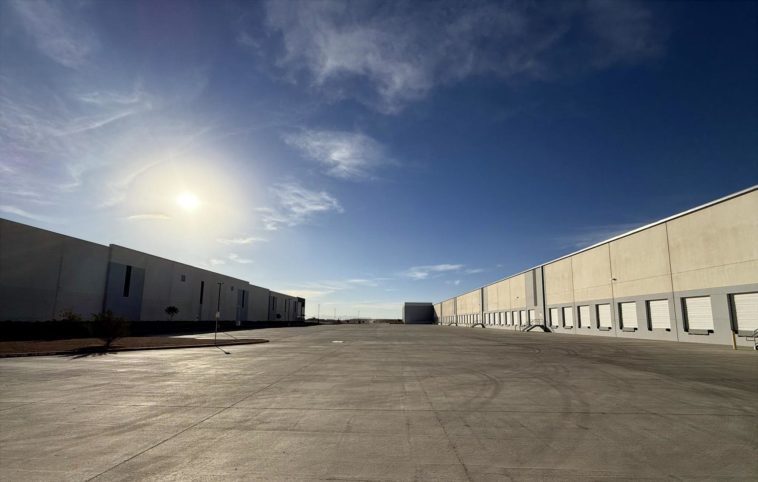
Faith Technologies Inc.’s decision to construct a sprawling 500,000-square-foot manufacturing facility within the Pellicano Industrial Park marks a turning point for local and regional economies. With production scheduled to commence by summer 2026, this project will not only generate high-skilled employment opportunities but will also send ripples through the local supply chain networks, logistics, and business-related infrastructure.
Economic development in regions like El Paso is full of problems and opportunities alike. The initiative reflects the ongoing process of reinvention in areas historically known for specific industries. As the city positions itself as a hub for advanced manufacturing and clean energy, the project underscores the importance of meaningful site selection strategies and meticulously planned facility construction. Beyond the immediate employment benefits, similar projects often trigger a cascade of economic activities, such as increased business patronage, diversified local tax bases, and improved public services.
Moreover, this type of expansion demonstrates the region’s untapped potential for innovation and commerce. As more businesses figure a path through regulatory environments and complex infrastructure challenges, local communities can expect a stronger, more resilient economic future.
Understanding Tax Incentives and Rebate Programs for Sustainable Growth
One of the key elements in making large-scale industrial projects feasible is the availability of attractive tax rebate programs. In this case, the El Paso County Commissioners Court approved a Chapter 381 Agreement, which offers a tax rebate covering a portion of the capital investment—up to $52.5 million. Such incentive structures are critical in offsetting some of the intimidating financial risks associated with massive industrial ventures.
Tax incentives like these are super important because they help balance the scales between public investment and private risk. They also play a key role in encouraging companies to locate in areas that may have tangled issues like complex infrastructure or limited access to modern technology. Governments across the country have been working through these tricky parts by creating frameworks that reward long-term commitment to local development. In this case, the rebate not only eases the capital burden on Faith Technologies Inc. but also cements a long-lasting partnership between the firm and the local community.
The following summary table outlines some of the major benefits of such tax incentive programs:
| Benefit | Description |
|---|---|
| Capital Investment Relief | Provides a tax rebate on a significant portion of the investment, thus reducing immediate financial pressures. |
| Job Creation | Supports the hiring of local talent, leading to stable, high-quality employment opportunities. |
| Enhanced Infrastructure | Encourages the development of advanced industrial facilities, often accompanied by upgrades to local infrastructure. |
| Community Partnership | Strengthens the collaborative ties between private developers and local governments. |
Interestingly, tax rebate programs like Chapter 381 have become a recurring theme across various regions, as they bridge the gap between economic ambitions and the practicalities of large-scale industrial development. For local policymakers and business leaders, it remains essential to understand these twisted parts and develop strategies that benefit both communities and investors.
Workforce Transformation: Preparing for Advanced Manufacturing
A cornerstone of any modern manufacturing expansion is the availability of a well-qualified workforce. With Faith Technologies Inc. promising 200 new jobs, the role of workforce development takes center stage. This is not simply about numbers; it’s about nurturing a talent pool equipped with the skills to handle today’s advanced manufacturing techniques, digital controls, and sustainable energy solutions.
Local governments and educational institutions are increasingly focusing on bridging the gap between existing labor skills and the subtle details required by new technologies. Workforce training programs that cater to fields such as STEM, engineering, and digital manufacturing are super important. These initiatives help workers get into the nitty-gritty of advanced processes, bringing a blend of technical acumen and innovative thinking to the fore.
A few points that highlight the current trends in workforce transformation include:
- On-the-job Training: Companies are increasingly investing in comprehensive on-the-job training programs to ensure that employees understand the fine points of new manufacturing tools and techniques.
- Partnerships with Educational Institutions: Collaborations between businesses and local colleges provide students with hands-on experience, creating a pipeline of talent well-versed in the latest industrial practices.
- Community Engagement: Initiatives that focus on inclusivity and local talent retention help build a community-oriented workforce, ensuring that jobs and economic gains remain local.
This holistic approach, which figures a path between robust educational programs and employer-led practical training, is key to ensuring that the workforce ready for advanced manufacturing is not just available but also adaptable to the rapidly changing industrial landscape. As companies tackle the confusing bits of modern manufacturing, such training efforts remain a critical pillar of sustainable growth.
The Art and Science of Site Selection for Industrial Projects
Choosing the right site for manufacturing is a task that many find both exciting and nerve-wracking. The decision involves managing your way through a maze of physical, financial, and regulatory factors, each laden with its own set of twists and turns. In the context of Faith Technologies Inc.’s project in El Paso, site selection has been geared towards maximizing logistical efficiency, accessibility, and alignment with regional development goals.
Site selection is more than just picking a spot on the map—it’s about aligning business strategies with location benefits. A location like Pellicano Industrial Park is not arbitrarily chosen. It reflects a thoughtful consideration of several factors, including:
- Proximity to Major Transportation Networks: Quick access to highways, rail lines, and even international border crossings is crucial for timely distribution and supply chain management.
- Availability of Skilled Labor: The potential to tap into a pool of skilled workers ensures that the facility can operate efficiently from the outset.
- Local Government Support: Incentive programs, streamlined permitting procedures, and a proactive economic development office are decisive in making a location business-friendly.
These considerations illustrate how site selection involves both an art and a science—a delicate blend of strategic analysis and local insights. Companies must not only figure a path through literal infrastructure challenges but also work through policy twists and turns that can either accelerate or slow down progress. As businesses increasingly require locations that support advanced manufacturing and sustainable operations, understanding these subtle details becomes super important.
Tax Incentive Strategies: Balancing Public Goals and Private Ambitions
It is worth taking a closer look at the tax incentive strategies that underpin major industrial projects. The Chapter 381 Agreement approved for the Faith Technologies Inc. project exemplifies how public sector initiatives can support private sector ambitions. By providing a tax rebate on a portion of the capital investment, the program reduces the intimidating financial load that often discourages companies from expanding.
This type of initiative creates a win-win scenario. On the one hand, local governments can attract advanced manufacturing companies that contribute to job creation and infrastructure development. On the other hand, businesses receive the capital relief needed to invest in state-of-the-art facilities and cutting-edge technologies. The balance of these interests is critical: it fosters a climate where private ambitions are aligned with community development goals.
Below is a bulleted list summarizing key tax incentive benefits that support industrial expansion:
- Financial Relief: Tax rebates lower initial capital outlays, making large investments more feasible.
- Enhanced Competitiveness: Regions with attractive tax incentives can attract more businesses than areas without such benefits.
- Economic Multiplier Effects: Successful industrial projects lead to related investments in local businesses, infrastructure, and workforce training.
- Sustainable Growth: Long-term investments in manufacturing often translate into sustained economic development and community improvement.
By carefully aligning public policies with the practical needs of modern industry, programs like Chapter 381 serve as vital instruments for economic development. Local policymakers must continue to refine these tools, ensuring that they incentivize growth while also addressing the tangled issues that arise from rapid industrial expansion.
Modern Facility Planning: Constructing for Innovation and Efficiency
Facility planning today is a dynamic process that involves more than just physical construction. It encompasses everything from asset management and construction project planning to the incorporation of sustainable development practices. In the case of Faith Technologies Inc., the planned manufacturing facility is designed to be a state-of-the-art hub of production and innovation. This project highlights how modern facility planning must account for both immediate operational needs and long-term sustainability goals.
Modern facility planning must contend with several tricky parts, including:
- Integrating Advanced Technologies: New manufacturing plants must incorporate automation, digital monitoring systems, and energy-efficient practices to stay competitive.
- Ensuring Regulatory Compliance: Companies must figure a path through a labyrinth of local, state, and federal regulations which, while designed to protect workers and the environment, can sometimes be overwhelming.
- Supporting Workforce Needs: Adequate design of workplace environments that foster safety, ergonomics, and employee well-being is imperative.
One of the hallmarks of this project is its commitment to a Culture of Care—a dedication to the safety and overall well-being of the workforce. This cultural commitment isn’t just a feel-good measure; it’s an essential aspect of long-term operational success. When employees feel valued, respected, and empowered, they are more likely to contribute to the overall efficiency and innovation of the facility. Companies that make such commitments typically experience lower turnover rates, higher productivity, and a stronger reputation within the industry.
Moreover, sustainable facility planning adds another layer of resilience to manufacturing projects by addressing environmental concerns and reducing overall operational costs. Integrating green building practices, waste reduction measures, and renewable energy sources are all part of a holistic approach that companies must adopt as they make their way into the future of industrial production.
Community Engagement and Corporate Culture: Building a Heritage of Trust
The announcement by Faith Technologies Inc. carries with it more than just economic promise—it also signals a new chapter in community relations and corporate culture. In today’s competitive industrial landscape, companies are increasingly recognizing the importance of not only generating profit but also giving back to the communities that support them. By establishing operations in El Paso, Faith Technologies is betting on a two-way exchange where both the company and the local community reap the rewards.
There is a growing consensus among industry leaders that a strong corporate culture built on mutual respect, safety, and care can be a driving force behind successful expansion. David Jahner’s comment about the company’s “Culture of Care” underlines a commitment to employee and community welfare that is becoming a benchmark in modern manufacturing. When companies engage deeply with local communities, they help to create an environment that is conducive to growth, innovation, and long-term stability.
Key aspects of successful community engagement include:
- Transparent Communication: Keeping the local population informed about project timelines, benefits, and potential challenges builds public trust.
- Local Hiring Initiatives: Prioritizing local talent not only boosts employment numbers but also fosters a sense of community pride and belonging.
- Partnership with Local Institutions: Collaborations with educational, governmental, and non-profit organizations can provide mutual benefits and drive broader social improvements.
- Sustainable Environmental Practices: Demonstrating a commitment to environmental care reassures the public of the company’s long-term dedication to the community’s health and well-being.
This integrated approach to corporate culture and community engagement is loaded with issues and opportunities that extend beyond financial gains. It creates a legacy of trust, reliability, and mutual growth, ensuring that the economic benefits of industrial expansion are shared widely and sustainably.
Driving Innovation Through Facility Management and Modern Construction
As industrial projects continue to evolve, the focus on advanced facility management and innovative construction techniques has intensified. Facility planning in today’s industrial context must merge the practical aspects of construction with strategic management of physical assets to ensure longevity and agility. Faith Technologies Inc.’s project stands as an example of how companies are investing in new construction projects that incorporate modern building materials, digital monitoring, and flexible design principles to accommodate future technological advancements.
Modern construction practices not only improve efficiency but also enhance the overall adaptability of manufacturing facilities. Some of the little details that facility managers need to bear in mind include:
- Energy Efficiency: Integrating renewable energy solutions such as solar panels and energy management systems can reduce operational costs and environmental impact.
- Technological Integration: Smart sensors, IoT devices, and automation all play a role in ensuring that the facility remains competitive and agile in the face of rapid technological change.
- Flexibility in Design: As production needs evolve, the facility must adapt. Flexible layouts and modular construction methods allow for quick reconfigurations, making it easier to adjust production lines without major overhauls.
- Regulatory Preparedness: Proactively accounting for potential changes in safety and environmental regulations can help avoid nerve-racking delays later in the project’s lifecycle.
When companies think about facility planning and construction, they are essentially taking the wheel in designing the future. By building facilities with an eye towards flexibility and efficiency, businesses can position themselves to quickly adapt to market demands and technological innovations. This proactive strategy is a key driver of long-term success in today’s competitive industrial sector.
Tapping into the Broader Trends of Globalization and Industrial Innovation
The expansion of Faith Technologies Inc. in El Paso is not an isolated phenomenon. It mirrors broader trends of globalization, digital transformation, and the quest for technological innovation. Business leaders worldwide are rethinking traditional models of manufacturing as they find a path through factors such as cross-border trade, increasingly intricate supply chains, and fluctuating global markets. Each of these elements accounts for some of the challenging bits that companies must solve to arrive at successful outcomes.
From an international perspective, the project reinforces El Paso’s strategic significance. The city’s location near the US-Mexico border offers a unique advantage in terms of access to diverse supply chains and markets. As global supply chains continue to evolve, the proximity to international markets becomes a decisive edge. In addition, having a solid base in a community that is receptive to new technology and innovation can pave the way for further multinational investments.
Key takeaways from the current trends in globalization include:
- Diversification of Supply Chains: Companies are increasingly spreading their manufacturing bases to reduce over-reliance on any single market, a move that ensures greater resilience.
- Technological Convergence: The convergence of automation, digital technology, and data analytics is redefining the manufacturing landscape, prompting businesses to adopt a more agile approach.
- Cross-Border Collaborations: Strategic alliances with companies from different regions help facilitate not only market access but also the sharing of best practices in operational management.
These global trends underscore the importance of adopting modern site selection and operational strategies. As businesses continue to engage in industrial projects like the one in El Paso, it becomes clear that a strong commitment to innovation is paramount to thriving in a highly competitive, international market.
The Future Outlook: A Symphony of Opportunities and Challenges
Looking forward, the Faith Technologies Inc. project serves as an inspiring case study in how large-scale manufacturing ventures can be harmonized with community needs, workforce development, and modern facility design. While projects of this magnitude come with their share of overwhelming challenges and tangled issues, they also offer a treasure trove of opportunities for all involved parties—public and private alike.
The road ahead will undoubtedly see more projects that face intimidating regulatory and construction puzzles. However, with the right mix of government support, innovative financing through tax rebates, forward-thinking facility planning, and an emphasis on employee well-being, businesses can overcome these hurdles. The lessons learned from El Paso’s current renaissance could serve as a roadmap for future investments not only in Texas but across other regions looking for a competitive advantage in the industrial manufacturing arena.
In summary, this project is a testament to how modern manufacturing is evolving in tandem with an increasingly dynamic economic landscape. It is critically important to continue making your way through policy adjustments, regulatory changes, and rapidly evolving technological demands. The experience of Faith Technologies Inc. in El Paso encapsulates the essence of modern industrial expansion—one that is centered on sustainable growth, innovation, and a culture that puts people first.
Concluding Thoughts: Steering Through the Future of Industrial Expansion
As we wrap up this in-depth look at Faith Technologies Inc.’s expansion in El Paso, it is clear that this project is more than just a new facility on the map—it is a beacon of forward-thinking industrial development. The blend of thoughtful site selection, robust tax incentive programs, and a strong commitment to workforce and community development sets a new benchmark for similar ventures. This initiative should encourage both public policymakers and private businesses to work in tandem, ensuring that the benefits of industrial growth are shared and sustained over the long haul.
From careful facility planning to a comprehensive approach towards employee safety and satisfaction, the future of advanced manufacturing lies in the small but important details. As companies continue to dive in and get into the subtle parts of planning and development, they are learning to balance immediate returns with long-term sustainability. For regions like El Paso, such developments could herald a new age of prosperity and innovation, reaffirming the value of local investments backed by smart governmental policies.
Looking ahead, the conversation around industrial growth is set to become even more layered. With shifts in global markets, advances in technology, and an increasing emphasis on sustainable practices, businesses will need to figure out a path through a maze of opportunities and challenges. The success of this project could very well serve as a model that shows how public-private partnerships catalyze change, benefit local communities, and bolster economic resiliency in an ever-evolving landscape.
In reflecting on the interwoven themes of tax incentives, workforce training, site selection, and community engagement, one important lesson stands out: progress is most successful when it is collaborative. Businesses and governments must work side by side to manage the tricky parts and tangled issues that inevitably arise. By doing so, they can turn intimidating challenges into stepping stones for long-term success.
Ultimately, the Faith Technologies Inc. project in El Paso is a window into the promising future of industrial expansion. It is an example of how well-organized planning, coupled with a deep commitment to safety, environmental quality, and community welfare, can transform not just a single business but an entire region. The journey ahead may be filled with complicated pieces and nerve-racking moments, yet the optimistic outlook remains: together, we can create a robust, dynamic economic landscape that benefits everyone involved.
As we continue to monitor similar projects and witness the evolution of modern manufacturing, it becomes super important for business leaders, policymakers, and community stakeholders to remain engaged. The transformative power of such investments—when managed with a careful blend of innovation, community care, and strategic foresight—has the potential to redefine what it means to be competitive in today’s global market.
Thus, while the challenges and the subtle details of site selection, tax incentive strategy, and workforce development may seem overwhelming at first glance, the success of projects like the one unfolding in El Paso offers a hopeful reminder. By taking the wheel and managing their way through the twisted parts of modern industrial expansion, companies not only secure their own future but also pave the way for a thriving, resilient regional economy.
In conclusion, the reverberations from this project will likely inspire similar investments across other regions. With public and private sectors working in harmony, we are on the cusp of a manufacturing renaissance—one where the benefits are as widespread as they are transformative. It is a future where every intricate piece, every challenging twist and turn, is seen as an opportunity to innovate and grow. And in this journey, the lessons learned in El Paso will serve as guiding lights for industries worldwide.
Originally Post From https://www.areadevelopment.com/newsItems/11-15-2025/faith-technologies-el-paso-texas.shtml
Read more about this topic at
How to Drive Economic Growth: Key Methods and Strategies
Economic Development Strategies that Work