
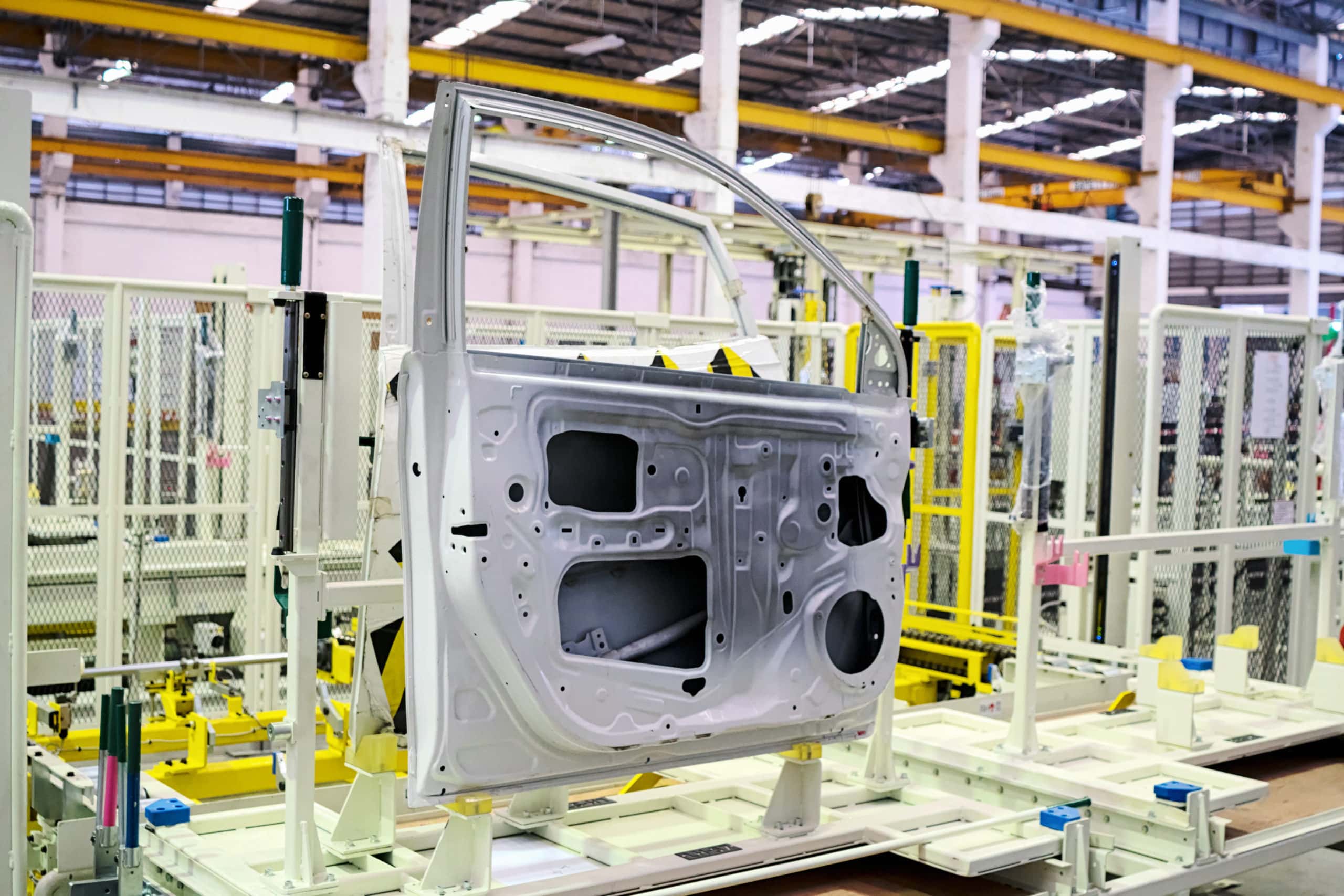
Steel’s Bold Move in Automotive Manufacturing
The automotive industry is at a turning point. As manufacturers face rising aluminum prices and supply complications, steel is stepping into the spotlight as a competitive alternative. Cleveland-Cliffs recently completed a successful trial that could pave the way for a major shift in how automakers approach part production. This breakthrough trial demonstrated that using aluminum-forming equipment to stamp steel parts about critical automotive applications is not only possible, but also a practical solution—one that does not require costly changes to existing machinery.
This achievement comes at a time when the industry is wrestling with tricky parts of cost, efficiency, and availability. The trial has stirred up a mix of opinions among industry analysts, automakers, and material experts. In our discussion today, we will dig into the experiment, examining its implications while considering the practical and economic challenges that lie ahead. We will also explore how automakers can find their way through this maze of choices and make the most of the new opportunities that steel offers.
Rising Aluminum Prices and the Supply Chain Challenge
One of the most driving forces behind this shift is the surge in aluminum costs, a result of recent changes in tariff policies. Section 232 tariffs, which have doubled to 50%, have had a dramatic impact on aluminum prices. Traditionally, the United States sourced much of its aluminum from Canada—a country that was once exempt from these tariffs. With tariffs now applied to Canadian metal, budgets have been squeezed, prompting the industry to seek alternatives.
Below is a table illustrating the rough impact of the new tariff system:
| Material | Previous Cost Benchmark | Current Cost Impact | Notes |
|---|---|---|---|
| Aluminum | Relatively stable | Soaring with Midwest premium increases | Tariff jumps a key factor |
| Steel | Moderate increases | More modest price gains | Domestic production keeps costs in check |
The table above shows that while aluminum is experiencing nerve-racking price hikes, steel remains a super important, competitive alternative due to its domestic production capacity and stable pricing. For automakers, the decision to switch materials involves juggling fine points of cost, performance, and the capability of existing tools. This article takes a closer look at how steel might hold a competitive edge, especially in today’s market environment.
Breaking New Ground: The Cleveland-Cliffs Trial
Cleveland-Cliffs’ innovation lies in their ability to use traditional aluminum stamping lines to process steel without retooling equipment. With the trial showing defect-free production of exposed steel parts, the new process offers a compelling route for automotive manufacturers looking to avoid the intimidating, pricey overhaul of production lines. The company’s claim that this method can replace aluminum in critical automotive applications deserves a closer examination.
Let’s look at some key strengths of this trial approach:
- Simplified Transition: The process allows companies to use the same stamping lines designed for aluminum, sidestepping the tangled issues of expensive factory upgrades.
- Quality Assurance: The defect-free trial production suggests that steel parts can match or even exceed the quality of their aluminum counterparts.
- Cost Efficiency: With lower tariffs and domestic production capacity, steel is becoming increasingly competitive on price terms.
- Supply Chain Resilience: Diversifying material use can help the industry better handle global supply shocks and tariff-induced price fluctuations.
This trial not only offers a tangible solution to the current cost conundrums but also signals a potential long-term shift in how automakers make their material choices. It is a prime example of how companies can work through complicated pieces of production challenges by adopting innovative approaches that make the most of existing materials and machinery.
Assessing the Advantages: Economic and Market Impact
The economic landscape for auto manufacturing is full of small twists and turns, especially as companies grapple with sourcing the best materials while maintaining competitive pricing. The shift from aluminum to steel could change several aspects of the manufacturing ecosystem.
Consider these benefits of switching to a steel stamping solution using existing aluminum-forming lines:
- Improved Cost Competitiveness: The current economic environment, marked by a steep rise in aluminum prices, makes steel an essential alternative for automakers looking to manage their production budgets.
- Reduced Supply Risks: As aluminum prices soar, companies that depend on a steady flow of raw materials might face overwhelming supply issues. By diversifying material use, firms can spread risk more evenly.
- Increased Operational Efficiency: With no need for nerve-racking retooling, companies can continue production without unexpected downtime, ensuring that supply meets demand even in high-pressure scenarios.
- Enhanced Industry Flexibility: Using steel instead of aluminum could empower manufacturers to adjust more quickly to shifting market conditions and global economic pressures.
Each of these points contributes to a broader understanding of the potential shifts in the automotive sector. Automakers are now faced with the tangled issues of balancing quality, cost, and supply chain efficiency. Cleveland-Cliffs’ trial is a timely response to these challenges and could serve as a blueprint for others navigating similar waters.
Technological Adaptation: Converting Aluminum Equipment to Work for Steel
From a technology standpoint, the recent trial by Cleveland-Cliffs underscores an impressive ability to find your way around existing equipment limitations. The trial reflects an innovative mindset where companies opt to work through existing production lines rather than starting from scratch—a strategy that is as savvy as it is economical.
Traditional manufacturing processes have long been fine-tuned to handle specific materials with specific characteristics. The challenge with switching materials is often figuring a path through hidden complexities, such as differences in material strength, elasticity, and heat management. In this case, Cleveland-Cliffs managed to overcome these twisted issues by tweaking processes rather than overhauling them entirely.
This development highlights several key points:
- Minimal Equipment Overhaul: Manufacturers can adopt the new process without facing intimidating capital expenses associated with replacing production lines.
- Retooling Savings: By sidestepping pricey retooling, companies are able to keep operational costs in check and reinvest savings into other growth areas.
- Seamless Integration: The compatibility between steel and the aluminum stamping process suggests that operators can make a relatively smooth transition—a crucial factor in times of shifting demand.
This approach supports the broader trend in manufacturing toward flexible, adaptable production methods. It reflects a significant shift in thinking: Instead of letting existing processes become obsolete in the face of new materials, industry leaders are learning to manage their way through mixed-material challenges with a creative, cost-effective mindset.
Reimagining the Automotive Supply Chain
The evolution of material usage in the automotive space is not just a story of technology—it’s also about the supply network that underpins production. The supply chain for aluminum has been rattled by recent policy changes and global market dynamics. For automakers, finding a reliable and steady source of materials is more than a strategic need; it is a critical factor in ensuring long-term sustainability.
Steel offers several distinct advantages in these respects:
- Domestic Production Capacity: The United States boasts far more domestic capacity when it comes to steel production compared with aluminum. This means shorter supply chains, reduced import reliance, and a lower risk of international market disruptions.
- Stable Pricing Environment: As discussed earlier, while aluminum prices have been off-putting due to the tariff changes, steel prices have only seen modest increases, making steel an attractive option for manufacturers keeping an eye on budget constraints.
- Supply Security: A shift to steel, especially when processed using existing aluminum equipment, can stabilize supply chains, ensuring that production schedules remain uninterrupted even in the face of international trade tensions or unexpected policy shifts.
As automakers reconsider their component sourcing strategies, steel’s availability and pricing advantages may serve as a super important competitive boost. The industry is already seeing an uptick in inquiries following Cleveland-Cliffs’ announcement, suggesting that many players are keen to learn more about how steel can fit into their broader supply chain strategies.
Industry Reactions: Balancing Optimism with Caution
While the new steel stamping method receives praise for its cost efficiency and ease of integration, industry insiders remain slightly cautious. As with most groundbreaking changes, there are still small distinctions and subtle details to be explored. Stakeholders are eager to get into the nitty-gritty to confirm that the process can be scaled up for mass production without compromising quality or performance.
Here are some common reactions we are seeing across the industry:
- Optimism Among Manufacturers: Automakers appreciate the potential cost savings and operational efficiencies. Many are excited about the possibility of using an existing investment in aluminum stamping lines to process steel.
- Skepticism from Traditionalists: Some traditional industry players are a bit on edge, wondering whether the initial trial’s success will translate into sustained, high-volume production under real-world pressures.
- Curiosity from Supply Chain Analysts: With aluminum prices soaring, analysts view the switch to steel as a natural counterbalance. However, they note that the devil is in the details—ensuring that performance standards are maintained even when production is scaled up.
- Concerns Over Long-Term Viability: While the process shows promise, the long-term competitiveness of steel in areas historically dominated by aluminum still needs to be demonstrated over multiple production cycles.
These mixed reactions underline the fact that while the trial is promising, further investigation is required. Automakers, suppliers, and analysts agree that it is too early to declare a full-scale revolution. Nonetheless, with steel prices holding steady and domestic production robust, the argument for a broader shift towards steel is gaining traction every day.
Policy, Tariffs, and the Road Ahead
The new steel stamping method arrives at a time when policy decisions and tariff changes are having a dramatic influence on the manufacturing landscape. The Section 232 tariffs, originally intended to protect domestic industries, have left aluminum producers and users wrestling with a range of tricky issues. With aluminum prices stretching budgets, automakers are now actively exploring alternatives that can help them speedily steer through these policy-induced hurdles.
Policymakers and industry experts alike are now faced with several important questions:
- How Will Tariff Adjustments Evolve? Changes in tariff policies will continue to play a critical role in shaping supply chain strategies and material costs across the board.
- What Are the Broader Economic Implications? With rising input costs for aluminum, steel is emerging as a key material that could help balance economic scales for U.S. manufacturers.
- How Will Global Supply Chains Adapt? The international supply chain is a finely tuned system full of little twists and turns. Many companies are rethinking their sourcing models to build more resilient networks that are less vulnerable to political and economic shocks.
- What Will the Role of Domestic Production Be? With robust steel production capabilities on home turf, there is growing support for policies that encourage domestic manufacturing and innovation in material processing.
As these questions continue to swirl around the industry, automakers and steel producers find themselves in an environment loaded with issues. While challenges remain, the ability to work through these complications is essential for the field’s long-term health. The Cleveland-Cliffs trial serves as a case study of industry ingenuity—a demonstration that it is possible to meet the current market demands without resorting to radical production overhauls.
The Broader Implications for the Automotive Industry
The decision to adopt steel stamping using aluminum equipment may influence more than just cost dynamics; it could fundamentally reshape the way automakers think about design, performance, and sustainability. As vehicle designs evolve to meet more stringent efficiency and safety standards, material choice becomes a critical variable in achieving these goals. Steel’s inherent properties—its strength, rigidity, and potential for recyclability—offer unique advantages over aluminum, particularly in parts of vehicles where structural integrity is paramount.
Some of the broader impacts include:
- Enhanced Vehicle Durability: Steel traditionally offers superior strength compared to aluminum. Automakers could see improvements in crash safety ratings and overall vehicle durability.
- Environmental Benefits: A shift toward steel might affect the lifecycle emissions of vehicles. Steel is fully recyclable, and if managed correctly, it could contribute to a more sustainable automotive ecosystem.
- Coding for Future Innovations: The flexible nature of this new process means that manufacturers could more easily incorporate advanced materials and hybrid structures into future vehicle designs.
These factors are just a few examples of how modern manufacturing techniques are influencing the automotive sector. As new methods are validated in the lab and on the production line, we can expect to see a steady evolution toward systems that are both environmentally sound and economically efficient. Automakers are increasingly looking for ways to fine-tune their approaches to production, ensuring that every component not only meets but exceeds market expectations.
Challenges Ahead: Scaling Up and Quality Assurance
While the Cleveland-Cliffs trial presents great promise, scaling up the process to meet mass production demands comes with its own set of tricky parts. The transition from controlled test runs to large-scale production is always full of unexpected twists and turns.
Key challenges include:
- Maintaining Consistent Quality: Ensuring that every steel part meets rigid quality standards is a major consideration. Failure in maintaining consistency could lead to performance pitfalls that tarnish the new method’s reputation.
- Adapting Process Controls: Large-scale production requires finely tuned controls to manage variable environmental factors—something that can be nerve-racking if not preemptively addressed.
- Training the Workforce: Operators accustomed to aluminum stamping may need additional training to figure a path through the subtle details of processing steel. This means investing in skill development and process monitoring so that quality assurance is built into every stage.
- Integration with Supply Chain Systems: As production increases, ensuring that all upstream and downstream partners are in sync becomes critical. This includes raw material suppliers, logistics providers, and quality inspectors.
To address these challenges, industry leaders are likely to pursue rigorous pilot programs, invest in new monitoring technologies, and engage in close collaboration with research institutions. The overarching goal is to get into the nitty-gritty of scaling production while preserving the innovative spirit that made the initial trial a success.
Lessons for Small Businesses and Industrial Manufacturers
While large automakers and steel giants are setting the pace in these technological breakthroughs, small businesses and industrial manufacturers can also gain important insights. The successful trial by Cleveland-Cliffs serves as an example of how creative thinking and process optimization can overcome seemingly intimidating production hurdles.
For small businesses involved in manufacturing, the key takeaways include:
- Innovative Use of Existing Equipment: Small businesses often operate with tighter budgets. Utilizing existing machinery for new purposes—such as stamping steel with aluminum equipment—can be a super important strategy for cutting costs and avoiding overwhelming capital investments.
- Agility in the Face of Policy Changes: With tariffs and trade policies constantly on the move, being adaptable is essential. Small businesses benefit most from approaches that allow them to sort out rapid shifts in raw material costs without the nerve-wracking need for major retooling.
- Collaboration as a Growth Strategy: The trial was conducted in collaboration with an unnamed OEM, underscoring that teamwork between established companies, small manufacturers, and suppliers can lead to innovative breakthroughs.
- Emphasizing Quality and Efficiency: Even when trying new processes, maintaining high standards is non-negotiable. Investing in quality control can ensure that the innovative approaches do not compromise the product’s integrity.
Small businesses can use these lessons to not only survive but thrive in a market where the competitive edge often lies in innovation and flexibility. By drawing on the experience of industry leaders like Cleveland-Cliffs, smaller players have the opportunity to adopt best practices that can streamline their operations for better performance and profitability.
Marketing and Economic Implications for the Future
From a marketing perspective, the announcement of this successful steel stamping trial has sparked significant buzz across trade media. The news is generating conversations among automotive CEOs, supply chain managers, and materials experts—helping to reshape public perceptions of what is achievable with current technologies.
Marketing strategies will likely highlight:
- Cost Savings: As companies switch to steel without needing expensive equipment overhauls, they can pass on these savings to customers and investors alike.
- Operational Resilience: In an era when global supply chains are full of problems, demonstrating a robust and adaptable manufacturing process is a key selling point.
- Environmental Responsibility: Emphasizing the recyclability and environmental benefits of steel compared to other materials can appeal to a market that is increasingly concerned about sustainability.
Economically, the shift toward steel could have numerous ripple effects across the sector:
- Shifting Investment Patterns: Investors may reallocate resources to companies capable of quickly adapting to new production techniques. With steel showing promise in terms of cost and scalability, more capital could flow into domestic production facilities.
- Policy and Regulatory Adjustments: Governments might take note of the domestic production advantages offered by steel and consider implementing policies that support further research and innovation in this area. Such measures could include tax incentives or grants aimed at modernizing manufacturing infrastructure.
- Global Trade Dynamics: As the U.S. establishes a more resilient domestic base for steel production, the balance of trade might shift. With reduced reliance on aluminum imports, automakers could negotiate from a position of strength in international markets.
The intersection of marketing and economic strategy in this scenario is a prime opportunity for corporate leadership to leverage technological innovation as a competitive advantage. By promoting steel as a cost-effective, reliable, and sustainable material for automotive production, companies can attract investment and secure long-term market share.
Looking Ahead: The Future of Materials in Automotive Manufacturing
The successful steel stamping trial by Cleveland-Cliffs is far more than a one-off experiment—it is a signal of what the future might look like for automotive manufacturing. As automakers take a closer look at their supply chains and production methods, the ability to pivot from aluminum to steel represents a major step forward. It also challenges the long-held assumption that switching materials must be a complicated, off-putting process full of hidden complexities.
Looking ahead, several trends are likely to shape the industry:
- Increased Focus on Innovation: With new methods successfully reducing production costs, automotive companies are expected to dive in and further explore innovative manufacturing techniques. This could lead to a series of breakthroughs in other production areas as well.
- Sustainability and Environmental Impact: As government regulations and consumer expectations evolve, the sustainability of materials will become a super important factor in material selection. Steel’s advantages in recyclability may become a key marketing and regulatory driver.
- Enhanced Flexibility in Production: The ability to use existing equipment for processing different materials underscores a broader trend toward operational flexibility. This trend will likely lead to the development of more hybrid systems that can accommodate a mix of materials, providing automotive manufacturers with the agility to respond to market changes swiftly.
- Broader Adoption Across Industries: While the automotive sector is currently in the spotlight, the benefits of flexible material processing are applicable to other industries such as industrial manufacturing and construction. The successful demonstration in the auto industry might well inspire similar innovations elsewhere.
Given these trends, industry insiders agree that the days of one-dimensional material strategies are behind us. The future is one in which companies who manage to sort out these new production methods and supply chain challenges will likely emerge as leaders in their fields.
Final Thoughts: Embracing Change in a Shifting Landscape
It is clear that the road ahead for automotive manufacturing will be paved with both opportunities and nerve-racking challenges. The shift from aluminum to steel, exemplified by Cleveland-Cliffs’ innovative trial, represents a turning point in how the industry approaches costs, technology, and supply chain resilience. Rather than being intimidated by the twists and turns inherent in such a transition, industry leaders are increasingly choosing to dive in, making strategic adjustments to safeguard their competitive edge.
By adapting existing processes, maintaining high standards of quality control, and pushing for greater operational flexibility, companies can unlock substantial benefits. These include cost savings, enhanced durability, and a more secure supply chain—all of which are critical in an era defined by swift technological and economic shifts.
For both large-scale automakers and smaller manufacturing players, the Cleveland-Cliffs trial is a call to action: It demonstrates that innovation is not solely about new machinery or entirely new processes. Sometimes, the key lies in rethinking how you work with what you already have.
In conclusion, while the path forward is full of challenging bits and tangled issues, the move toward using steel in automotive stamping is an essential step. There will undoubtedly be further trials, tweaks, and adjustments as the industry gathers more experience with this approach. But if history is any guide, the companies that are able to work through these complexities will not only steer through the current landscape—they will redefine the future of automotive production.
As the market continues to evolve with changing tariffs, shifting supply chains, and innovative technological breakthroughs, manufacturers must remain agile. In an environment where every decision can lead to significant economic ripples, being proactive and adaptable is super important. The ability to make your way through both complicated pieces and nerve-racking production shifts will determine which companies thrive and which ones lag behind in the coming years.
Key Takeaways for Industry Stakeholders
To summarize, here are the primary points that anyone in the automotive manufacturing and industrial production space should consider:
- Cost Efficiency: Embracing steel stamping using existing aluminum equipment can significantly curb production costs, liberating funds for reinvestment and growth.
- Supply Chain Stability: With domestic steel production capacity intact and tariff-related volatility affecting aluminum, steel emerges as a more reliable resource.
- Innovative Production Techniques: The new methods enable companies to transform their existing lines with minimal upfront expenditure—a strategy both small and large players can appreciate.
- Future-Proofing Operations: As environmental concerns and regulatory pressures increase, adopting versatile production processes ensures that companies are better positioned for tomorrow’s challenges.
- Quality and Performance: Continued investment in research, robust quality control, and workforce training will be key to converting early successes into long-term operational excellence.
These takeaways underscore the reality that innovation is not just about exploring new ideas—it’s about effectively managing your way through each twist and turn with clear-eyed determination.
Conclusion: Steel’s Growing Role in a Transforming Market
The automotive industry stands on the cusp of exciting changes. With rising aluminum costs and shifting regulatory landscapes, steel has re-emerged as a promising alternative due to its cost stability, domestic availability, and compatibility with existing production methodologies. Cleveland-Cliffs’ recent achievement in adapting aluminum stamping lines to produce high-quality steel parts represents a practical, innovative step forward—a reminder that sometimes, rethinking what you have in hand can be the most effective way to tackle overwhelming challenges.
Moving forward, stakeholders from every corner of the manufacturing landscape—whether large automakers, industrial manufacturers, or small business owners—must keep a close eye on how these developments unfold. While the road ahead is full of tricky parts and tangled issues, those who embrace change and learn to work through the subtle details will undoubtedly be best positioned for future success.
In these times of rapid change, one thing stands out as clear: the industry’s ability to adapt and innovate is more than a competitive edge—it is a must-have component for survival and growth. As automakers continue to experiment and refine new production processes, the evolution of material choice only grows more fascinating. And with each innovative step, the entire supply chain, along with the broader economic ecosystem, stands to benefit from the enhanced stability and efficiency that such innovations promise.
Ultimately, the decision to explore new methods for processing steel might serve as a turning point that not only redefines automotive manufacturing but also helps chart a more resilient and sustainable path forward in an ever-changing global market. As the industry continues to make your way through these changing times, every tweak, every new process, and every innovative adaptation will contribute to a landscape where progress is driven by ingenuity, flexibility, and a steadfast commitment to overcoming the challenges that lie ahead.
Originally Post From https://www.steelmarketupdate.com/2025/10/29/cliffs-touts-steel-stamping-solution-to-replace-aluminum-in-automotive/
Read more about this topic at
News Releases
Cleveland-Cliffs Announces Breakthrough Replacement of …

