New Investments and Their Impact in Northeast Arkansas
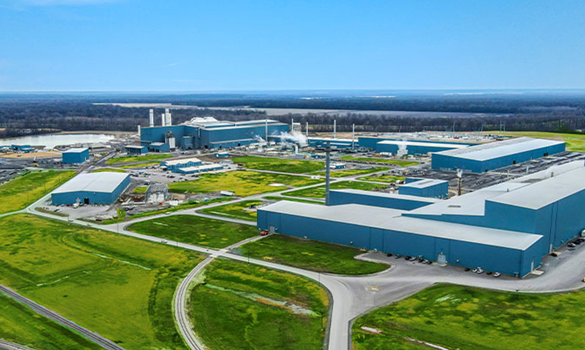
The recent announcement by U.S. Steel to build a new direct reduced iron (DRI) plant on the Big River Steel Works campus in Osceola is stirring up debate among business leaders, local government officials, and community advocates alike. With a heavy investment requirement of an additional $11 billion in U.S. operations set by the Nippon Steel merger, this move is expected to have long-reaching effects on Northeast Arkansas’ economy, employment prospects, and local supply chains. This opinion editorial takes a closer look at the many angles of this historically significant industrial development.
Over the next few sections, we will poke around the potential benefits and challenges this project may bring, dive into the key aspects of modern steel production using direct reduced iron, and outline how the resulting changes could shape not only local communities but also the broader industrial landscape in the U.S.
Understanding the Direct Reduced Iron Approach in Modern Steelmaking
The decision to establish a DRI plant marks a notable shift in steel production. Unlike traditional blast furnace methods, DRI technology uses iron ore pellets and natural gas to produce a feedstock for electric arc furnaces. This newer method is seen as more sustainable and can potentially reduce carbon emissions significantly. Yet, when examining the nitty-gritty of the process, a few tricky parts emerge. For instance, setting up a plant that is both economically viable and environmentally friendly is a challenge riddled with tension and on edge debates.
Here are some of the critical points related to the DRI method:
- Sustainability: The process is touted as a greener alternative given its reliance on natural gas instead of coking coal.
- Feedstock Reliability: Utilizing DR-grade pellets from facilities like the Minnesota Ore plant ensures a consistent supply of quality input materials.
- Technological Innovations: The new plant will likely incorporate advanced processes to improve energy efficiency and output quality.
- Economic Feasibility: While the sustainability benefits are promising, the initial costs and operational complexities (or rather, the confusing bits and twists and turns of setting up a new plant) must be managed carefully.
For industry veterans and local policymakers, understanding the fine points of DRI technology and how it compares with traditional methods can provide clarity in the midst of a rapidly evolving industrial environment. This technological pivot is not just a simple upgrade; it represents a deep transformation in how steel is produced, aligning economic growth with environmental responsibility.
Economic Opportunities and Tangled Issues in Northeast Arkansas
The new investment has the potential to act as a catalyst for economic growth in an area that has seen increasing interest from various investors. The plant’s construction and operation will create jobs, boost local businesses, and potentially attract further industrial development in the region. However, the intertwined economic benefits and potential pitfalls are inseparable topics for local stakeholders.
Here are some of the key economic aspects to consider:
- Job Creation: Construction and operational roles will result in additional employment opportunities. This is especially important in rural or semi-rural areas where job prospects may be limited.
- Supply Chain Strengthening: By building a dependable domestic supply chain, local businesses in logistics, manufacturing support, and services are likely to see increased demand. This boost can spur ancillary industries.
- Community Investment: The project may lead to improved local infrastructure. Past investments from U.S. Steel in the region have resulted in significant community upgrades, including donations for community and safety projects.
- Investment Risks: The commitment of a large sum over a long period can also be nerve-racking. Uncertainties such as fluctuating commodity prices, regulatory changes, and global economic conditions introduce a layer of complexity that must be managed with care.
One of the more intimidating aspects is balancing the hefty investment requirements against the potential benefits. Local authorities must figure a path that mitigates risks while encouraging growth. It is essential that community leaders, business experts, and government officials work together to ensure that these twisted issues are managed effectively, so the local economy does not suffer from unforeseen repercussions.
The Supply Chain and Energy Dynamics behind the New Steel Mill
Every industrial expansion of this scale invites a detailed examination of its supply chain dynamics and energy infrastructure. By using DR-grade pellets from the company’s existing operations in Minnesota, U.S. Steel is trying to secure a streamlined and dependable chain of raw materials. Although the idea is promising, it comes with its own set of complicated pieces.
The energy requirements and logistics associated with this project are two areas where the fine details are super important:
- Energy Efficiency: DRI methods tend to be more energy-efficient than traditional practices, but the process still demands high energy output during peak operations. How energy is sourced and managed, particularly nitrogen oxides and other emissions, is a subject that raises many questions.
- Logistical Challenges: The transport of DR-grade pellets and the integration with existing ore facilities involve tangled issues. Establishing a smooth transit route for materials and managing environmental concerns along these routes require meticulous planning.
- Local and Regional Benefits: Ensuring that local suppliers and service providers are integrated into the supply chain could foster more robust regional development. This might include local partnerships for minor components and logistics support that boost the overall economy.
Energy partnerships, such as the one recently seen between Google and Treaty Oak for solar power initiatives, suggest that similar collaborations could develop around this steel mill project. For instance, bolstering renewable energy sources locally can reduce overall emissions and provide a more sustainable operational strategy. In fact, sustainable energy practices are not only essential for long-term growth but are also critical for mitigating the environmental impact typically associated with large-scale industrial processes.
Contending with Government Regulations and Business Tax Laws
The backdrop against which this steel mill project unfolds is also one of tight regulatory scrutiny. The merger between Nippon Steel Corporation and U.S. Steel had been heavily debated at the federal level. National security concerns almost derailed the investment, and only through specific agreements—such as the national security agreement (NSA) and a “golden share” provision—did the deal gain traction. This highlights how intricately government regulations, political decisions, and business tax laws play a role in shaping major industrial investments.
The following factors underline the complicated bits of managing these regulatory frameworks:
- National Security Implications: The requirement to appoint a federal board member illustrates how business investments in critical infrastructure sectors can be influenced by government interests. This injection of public oversight is designed to safeguard against potential national security risks, but it also brings not-so-straightforward administrative challenges that require careful orchestration.
- Tax Incentives and Benefits: The state and local governments often offer business tax incentives to attract and support large-scale projects. However, these incentives come with strict conditions and performance benchmarks that companies must meet. The balancing act between creating a favorable business environment and ensuring that tax policies benefit the broader community is delicate.
- Long-term Policy Implications: Once such an investment is underway, changes in the political landscape can have significant ramifications. New policies can reshape the environment in which the business operates, potentially affecting everything from employment rates to environmental safety standards.
Given the nerve-racking political and regulatory challenges, it becomes imperative for the business community and local governments to sort out their policies and manage their way through these ever-changing conditions. When policies are transparent and supportive of sustainable growth, the benefits can outweigh the risks for communities that have historically relied on such major industrial hubs.
Local Community Impact: A Mixed Bag of Progress and Concerns
No industrial investment of this size happens in a vacuum, and the effects on local communities are both profound and multifaceted. While proponents argue that increased job opportunities and a strengthened local supply chain will lead to overall prosperity, others raise concerns regarding potential environmental degradation and community displacement.
On one hand, the arrival of a new DRI plant is expected to:
- Boost local employment through construction and associated operational roles.
- Stimulate economic activities such as housing, local businesses, transportation, and community services.
- Create spin-off opportunities for local vendors and suppliers in sectors ranging from safety equipment to catering.
On the other hand, a few off-putting issues persist:
- Environmental Concerns: Increased industrial activity often brings with it the potential for pollution. The community has legitimate concerns over emissions, water usage, and the overall carbon footprint of an expanded steel production process.
- Infrastructure Strains: Rapid industrial expansion may put additional pressure on roads, public services, and local facilities if growth is not managed carefully.
- Social Disruption: A large influx of workers, if not well-integrated with the existing community fabric, can lead to shifts in local culture and possible social tension. This is something that local authorities must actively monitor to ensure smooth transitions.
The challenge for local leaders is finding a balance—a way to reap the benefits of economic expansion while mitigating the environmental and social costs. Public forums, transparent dialogues between corporations and residents, and joint public-private investments in local infrastructure will be essential strategies to smooth out the rough edges of this change.
Driving Local and Regional Growth Through Sustainable Practices
The investment in Northeast Arkansas is a signal of the transformative potential that committed industrial partnerships truly have. By supporting domestic production and building closer ties with local communities, companies like U.S. Steel are aiming to create a supply chain that is not only robust but also in step with modern sustainable practices.
Key elements of this shift toward sustainable industry practices include:
- Renewable Energy Integration: There is a growing trend to couple heavy industry with renewable energy projects. For instance, the collaboration between technology giants and local power providers demonstrates how industries can work together to minimize their carbon footprint.
- Local Investments in Community Services: U.S. Steel’s history of donating to projects in Mississippi County and Osceola shows a clear commitment to investing in communities. This trend is likely to continue and expand as part of corporate social responsibility initiatives.
- Emphasizing Energy Efficiency: By choosing a DRI process as their strategic method of steel production, the company is positioning itself as a leader in the move toward more energy-efficient manufacturing.
For those with an interest in the future of industrial manufacturing and sustainable development, this project represents an important demonstration of how corporate investment, if channeled correctly, can drive both economic and environmental dividends. The fine details—such as the timetable for construction and the specific employment figures—will likely be revealed as the project unfolds, but the overarching commitment to modern, clean industry practices stands as a testament to the evolving landscape of U.S. manufacturing.
Weighing the Mixed Reactions: Opinions from Multiple Stakeholders
As with any major industrial development, opinions about the anticipated benefits and challenges vary widely among stakeholders. Politicians, local business owners, environmental advocates, and economic analysts are all weighing in on what this project might mean for the region.
Some of the key perspectives include:
- Business Optimists: Many local business leaders view the project as a significant boost that will lead to long-term economic opportunities. They emphasize the potential for infrastructure improvement and a reliable supply chain that could lead to further industrial growth in the area.
- Environmental Advocates: Some argue that despite the promising sustainability claims, the expanded industrial output may worsen local environmental conditions if not managed with strict oversight on emissions and waste management. Their call for transparency and stringent environmental regulations is earnest and cannot be overlooked.
- Local Community Representatives: Residents of the region often express mixed feelings: while job opportunities and improved infrastructure are welcome, community safety, the preservation of local culture, and protection of natural resources remain top priorities. Civic engagement in the planning and development process is being touted as essential for ensuring that all voices are heard.
- Regulatory and Political Analysts: The political landscape surrounding such investments is full of curves. With a mix of federal, state, and local regulatory oversight—and the lingering effects of past mergers influenced by national security concerns—the evolving policy environment could have far-reaching implications for how the project is implemented and managed over time.
The diversity of opinions highlights an important reality: that any large-scale project is never a one-dimensional win. It introduces both opportunities for remarkable growth and a series of unpredictable twists and turns that need to be thoughtfully managed. Hence, as the details about costs, employment numbers, and construction timelines emerge, a continuous dialogue among all affected parties is essential to ensure that the investment benefits the wider community while addressing the concerns of environmental, social, and economic well-being.
Long-Term Economic Prospects and Community Resilience
A critical factor influencing the success of this project is the long-term economic stability it promises for Northeast Arkansas. In regions where industrial activity is a primary economic pillar, the introduction of a new steel mill can be a super important moment of change, one that has lasting effects on economic resilience and regional growth.
Looking long-term, several aspects stand out as key drivers of success:
- Diversification of the Local Economy: By expanding beyond traditional industries and incorporating modern manufacturing techniques, local economies can build resilience against volatile global markets. An industrial diversification strategy may well lead to a broader base of employment and a more robust tax base for regional governments.
- Workforce Development: A project of this magnitude offers a unique opportunity to invest in local workforce training and education. Collaborations with community colleges and technical institutes may ensure that local workers are equipped with the skills necessary to fill highly technical roles, reducing the need for long-distance commuting and creating local growth in wages and expertise.
- Infrastructure Upgrades: With projected increased demand, state and regional governments might expedite infrastructure projects—from transportation networks to utilities—that benefit not only the steel mill but also the surrounding communities, enhancing overall quality of life.
- Enhancing Supply Chain Robustness: The commitment to a domestic supply chain for raw materials and associated services can lead to a ripple effect, sparking growth in upstream and downstream industries. This means that local suppliers, maintenance services, and logistics firms might also see new business opportunities that reinforce the overall economic ecosystem.
With these factors in mind, it is clear that the long-term success of the plant does not solely depend on the initial investment or construction phase. Rather, establishing a resilient framework that supports continuous growth—in education, infrastructure, and supply chain management—is what will ultimately decide if this project can withstand the test of time and remain beneficial for decades to come.
Environmental Sustainability: Balancing Industrial Growth with Green Initiatives
One of the critical debates swirling around the new plant is whether the industrial expansion will be sustainable from an environmental perspective. While many hail the DRI technology as a cleaner alternative—given its reliance on natural gas over traditional coal-based processes—this method is not without its environmental trade-offs.
Key environmental concerns include:
- Emissions Control: Even with improved energy efficiency, any large-scale steel production process inherently releases emissions. Ensuring that these remain below regulated thresholds is a non-negotiable factor.
- Water and Waste Management: Effective strategies for water use, treatment, and waste disposal must be implemented. This covers everything from preventing contamination of local water supplies to managing slag and other by-products responsibly.
- Integrating Renewable Energy: Many see an opportunity here. Partnerships with renewable energy providers—similar to recent solar power initiatives in other sectors—could help offset carbon emissions, making the plant part of a broader push towards a green economy. Organizations like Google and other large tech companies have begun forging ties in similar projects, underlining the shifting priorities of modern industry.
- Community Health and Safety: Environmental monitoring and regular audits are essential to ensure that local residents do not face toxic exposure as a result of increased industrial activities.
A balanced, sustainable approach can serve both the needs of the economy and the environment. The fine details—carefully planned emissions control, waste recycling strategies, and investments in renewable energy—are not just add-ons. They are super important elements of a project that seeks to modernize production without sacrificing the health and safety of the local community.
Lessons Learned from Past Industrial Projects in Arkansas
To better understand the potential implications of the new steel mill in Osceola, it is helpful to review and learn from previous industrial projects in Arkansas. Over the years, the state has seen various large-scale projects, each with its own set of achievements and challenges.
Several past initiatives provide a window into what might be expected:
- Big River Steel’s Early Days: When Big River Steel began operations in 2014, it represented one of the largest industrial undertakings in the state. Despite initial growing pains, the project ultimately brought significant benefits to the local economy through job creation and infrastructure investments.
- Community Investments and Donations: U.S. Steel’s history of donating funds for community and safety projects in areas like Mississippi County stands as an example of how large corporate players can give back. These donations have often helped mitigate some of the disruptive social and environmental impacts of massive industrial projects.
- Regulatory Adjustments: Past experiences have underscored the importance of clear regulatory guidelines that evolve alongside industrial practices. With the tension that accompanies the introduction of advanced technologies, lessons learned in oversight and policy adjustments help manage future projects more effectively.
Drawing from these lessons, local governments and corporate leaders should establish a framework for collaboration—a channel to remain in constant contact so that past mistakes are not repeated, and previous successes are built upon. The lessons from Big River Steel and similar endeavors in the region provide not just historical context but also a roadmap for ensuring that the new plant operates efficiently, safely, and profitably for all involved.
Beyond the Balance Sheet: The Broader Societal Impact
While much of the discussion revolves around economic figures and supply chain logistics, it’s important to consider the broader societal impact of such a transformative project. Industrial investments of this magnitude influence community identity and even cultural norms. The steel mill isn’t just about metal and machinery—it’s about people and the shared future of an entire region.
There are several ways in which this project’s societal implications might manifest:
- Community Pride: Historically, significant industrial projects have often boosted local pride. Job creation, improved infrastructure, and public investments can lead to a revitalized sense of community identity.
- Educational Opportunities: The new project could spur the development of technical training programs, partnerships with local schools and colleges, and initiatives focused on science, technology, engineering, and mathematics (STEM) education. This would help empower the next generation of workers and innovators.
- Cultural Shifts: As new workers move into the region, there will be a blending of cultures and experiences. While this may bring challenges in terms of community integration, it can also enrich local culture by introducing new ideas and perspectives.
- Enhanced Public Services: With increased tax revenues stemming from new corporate and individual incomes, improvements in public services such as schools, healthcare facilities, and local transportation networks are likely. Such enhancements would be beneficial for the entire community.
The societal benefits, while sometimes hard to quantify on a traditional balance sheet, are just as critical as the economic indicators. When a project has the potential to elevate an entire community, the collective resolve to manage its associated twisted issues increases—ensuring that the benefits extend far beyond immediate profit margins.
Future Outlook: A Catalyst for Regional Transformation
Looking ahead, the establishment of this new DRI plant in Osceola may well be just the initial chapter in a broader narrative of transformation across Northeast Arkansas and potentially the entire Midwest region. The interconnection between local community benefits, sustainable industrial practices, and stronger supply chains suggests a blueprint for future development projects that are innovative and people-centered.
This vision for regional transformation rests on several key pillars:
- Robust Infrastructure: Investments in modernizing local roads, utilities, and public services promote a healthier business environment and improve quality of life for residents.
- Strategic Partnerships: Collaborations between public agencies, private corporations, and educational institutions foster a knowledge-sharing culture that can help mitigate complicated pieces of modern manufacturing and business operations.
- Innovation in Technology: As industries move away from traditional methods and adopt strategic solutions like DRI technology, the region can position itself as a hub for technological innovation, potentially drawing tech companies and research initiatives into the fold.
- Environmental and Social Governance: Enforcing strict governance policies over environmental impacts and ensuring social accountability will be paramount. Societal involvement in shaping these policies could lead to a more transparent and inclusive process.
In essence, the new steel mill project is not just about meeting an investment quota or expanding production capacity. It is about steering through a period of transition in which modern technologies, focused on sustainability, shape the future of industrial manufacturing. It could set a benchmark for how large companies execute projects responsibly while contributing to the overall welfare of the communities they serve.
Conclusion: Balancing Growth with Responsibility
Ultimately, the decision by U.S. Steel to build a direct reduced iron plant in Osceola is emblematic of the delicate balance between ambitious economic growth and responsible community stewardship. On one hand, this investment is super important—capable of triggering a new wave of job creation, supply chain improvements, and infrastructure upgrades. On the other hand, the project carries tangled issues that require careful, ongoing management—especially regarding environmental impact, community integration, and the ever-changing regulatory landscape.
The industry’s shift to more sustainable and energy-efficient technologies like DRI production is a sign of progress. However, it also demands an equally strong commitment from all participants—corporate leaders, regulatory bodies, local governments, and community stakeholders—to remain vigilant as the project unfolds. This is no simple task; it involves managing tricky parts, facing off nerve-racking regulatory battles, and keeping close tabs on the small distinctions that determine whether progress is measured on a balance sheet or in the quality of local life.
In a time characterized by both opportunity and uncertainty, the new plant stands as a beacon of potential—a promising yet challenging chapter in the evolution of American manufacturing. Whether this development will ultimately transform Northeast Arkansas into a model of modern industry or serve as a cautionary tale will largely depend on the efficacy of collaboration between all tapped stakeholders and the strength of their resolve to steer through every complicated piece of this journey.
As observers and participants in this unfolding story, we are reminded every day that industrial progress is rarely a straight road. There are twists and turns along the way, many of which require transparent communication and a shared vision for the future. In Northeast Arkansas, that future is being written—a narrative defined not only by dollars invested and jobs created but also by the deep commitment to nurturing both the economy and the community simultaneously.
Key Takeaways for Business Leaders and Community Stakeholders
To further synthesize the discussion, here are the top takeaways for those interested in the ongoing development of this project:
- Embrace Technological Innovation: Stay informed about the newest methods in sustainable manufacturing, such as DRI production, and appreciate how these innovations can transform entire industries.
- Ensure Stakeholder Collaboration: For any large-scale project to succeed, constant dialogue between corporations, regulatory bodies, and local communities is essential.
- Prioritize Environmental and Social Governance: No economic advance should come at the expense of local community welfare or environmental safety. Clear, actionable policies are needed to maintain this delicate balance.
- Focus on Workforce and Training: Investing in local education and technical skill development is a necessary step to sustain long-term economic growth and make sure that the benefits of industrial progress are shared widely.
- Monitor Regulatory Changes: Given the politically sensitive background of major investments like this, business leaders must remain alert to changes in regulations that could affect project milestones and long-term viability.
Final Reflections
The announcement of the new direct reduced iron plant on the Big River Steel Works campus is more than just an industrial update—it is a microcosm of the modern challenges and opportunities facing American industry. By combining old-world manufacturing expertise with innovative, sustainable practices, U.S. Steel and its partners are trying to create a resilient model for the future. Yet, as this project begins to take shape, it serves as a reminder that progress is a collaborative endeavor—one that requires input, oversight, and adaptation at every level.
As this bold venture gets underway, all eyes will be on Northeast Arkansas. Will the new plant spark a regional renaissance, or will it get bogged down by the inevitable twists and turns of large-scale industrial growth? Much will depend on the continued commitment to balancing economic benefits with community well-being and environmental stewardship.
For now, the project stands as a testament to the capacity for reinvention in traditional sectors—a pivot from established methods to newer, cleaner, and more adaptable forms of production. It is a clear signal that in today’s dynamic market, success goes beyond mere economic metrics. It is about building an ecosystem where technological innovation, community support, and sustainable practices all work in concert to create a future that is secure, prosperous, and inclusive.
In conclusion, the tale of U.S. Steel’s investment is still being written. With new chapters expected to unfold over the coming years, industry watchers, community members, and policymakers alike will have to keep a keen eye on not just the headline figures, but also on the detailed, everyday decisions that ultimately determine the true legacy of this ambitious project.
Originally Post From https://talkbusiness.net/2025/11/new-steel-mill-slated-for-big-river-steel-works-campus/