Low-Dose Aspirin: A Game Changer in Preventing Colorectal Cancer Recurrence?
Recent research into the everyday pain reliever aspirin has ignited conversations in the medical community about its potential role in reducing the recurrence of colorectal cancer. A major study conducted across several Nordic countries found that a low daily dose of aspirin, taken after tumor removal surgery, can dramatically cut the risk of cancer returning in patients carrying specific genetic mutations. In this opinion piece, we’ll take a closer look at the study’s findings, discuss its implications for clinical practice, and consider the tricky parts and tangled issues involved in applying this breakthrough in everyday medical settings.
Digging Into the Research Findings
The results of the Alascca trial, which recruited over 3,500 patients from Sweden, Norway, Denmark, and Finland, revealed that patients with colorectal cancer who had their tumors removed and carried certain gene mutations saw a 55% reduction in recurrence when taking 160mg of aspirin daily for three years, compared to those who received a placebo. The specific mutations affect the PI3K pathway, a series of biological processes linked to the development and recurrence of colorectal cancer.
Understanding the Role of PI3K Mutations in Colorectal Cancer
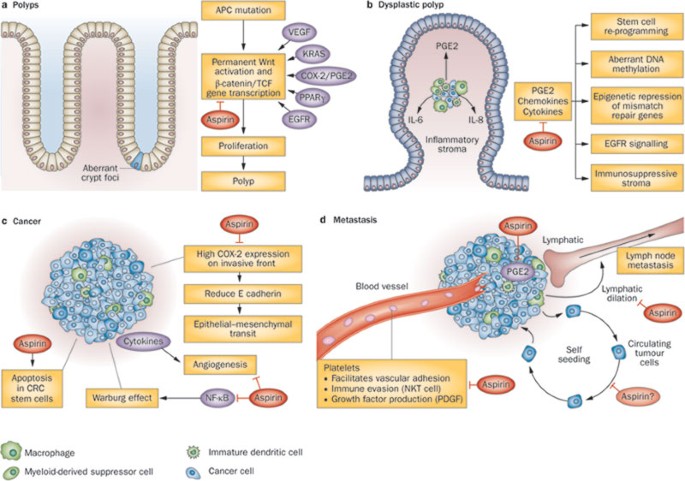
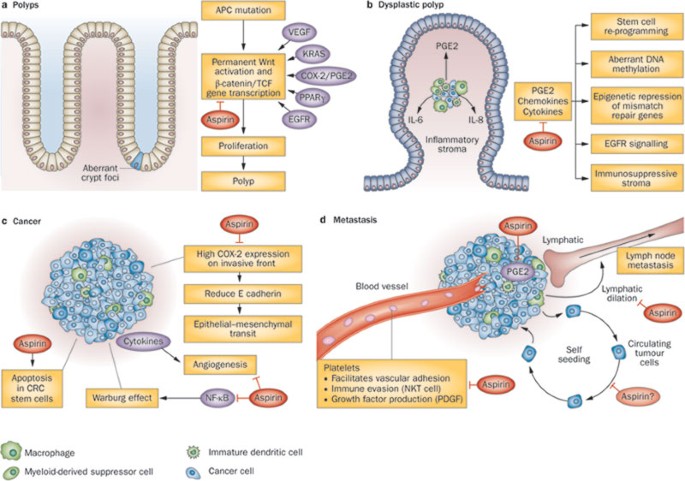
About 40% of colorectal cancer patients harbor mutations in the genes related to the PI3K pathway. These mutations appear to make tumors more vulnerable to the protective effects of aspirin. The study’s findings suggest that for this subgroup of patients, aspirin’s anti-inflammatory properties, interference with the PI3K pathway, and its ability to reduce platelet activity combine to create a potent defense against cancer recurrence.
This aspect of the research underscores the importance of genetic testing in cancer management. If clinicians can identify patients with these specific mutations, they could tailor post-surgery treatment plans to include a low dose of aspirin, making the treatment both personalized and cost-effective.
Key Biological Mechanisms Behind Aspirin’s Effect
Aspirin’s cancer-preventive properties are tied to several biological actions:
- Reducing Inflammation: Chronic inflammation is known to have a role in various cancers. Aspirin dampens this inflammation, potentially reducing tumor growth.
- Interfering with the PI3K Pathway: By affecting the components of this pathway, aspirin may slow down or block the cancer cells’ ability to multiply.
- Lowering Platelet Activity: Tumor cells can hide behind platelets to evade the immune system. Aspirin’s ability to reduce platelet activity may expose tumor cells to immune detection.
Changing Clinical Practice: Aspirin as a Post-Surgery Treatment
The evidence from this trial has the potential to bring about a significant change in how post-surgery colorectal cancer patients are treated. Professor Anna Martling, the lead researcher from the Karolinska Institute, argued that these results are “huge” and may soon find their way into clinical practice. Not only could this approach potentially save lives, but it also introduces a cost-effective treatment method using a drug that has been on the market for more than a century.
Integrating Genetic Testing Into Routine Care
If aspirin is to be used effectively in preventing cancer recurrence, it is essential that healthcare providers conduct genetic tests on all colorectal cancer cases. Here are some of the main considerations:
- Implementation Costs: While genetic testing might seem intimidating due to its own set of complicated pieces, the cost is soon outweighed by the potential for reducing cancer recurrence rates and improving patient outcomes.
- Personalized Treatment: Identifying patients with PI3K mutations ensures that only those likely to benefit from aspirin are given the treatment. In other words, it prevents unnecessary exposure to potential side effects.
- Streamlining Treatment Protocols: Incorporating genetic tests into standard practice can help streamline the treatment process, making it far less scattered and more focused on individual patient needs.
The Cost-Effectiveness of an Age-Old Drug
One of the major appeals of using aspirin in this new role is its widespread availability and very low cost. In an era where many cancer treatments are loaded with expensive price tags, repurposing an inexpensive drug for post-surgery care could ease both patients’ economic burdens and the financial strain on healthcare systems.
Consider the following table for a quick overview of aspirin’s benefits compared to traditional treatments:
| Aspect | Aspirin | Traditional Treatments |
|---|---|---|
| Cost | Low | High |
| Availability | Widely available | Limited / specialized |
| Side Effects | Potential bleeding issues (small percentage) | Varied, often more severe |
| Long-Term Data | Well-known, century-long use | New and evolving protocols |
Balancing Benefits With the Hidden Risks
Despite the promising results, it is critical to remember that long-term aspirin use does come with risks. The study reported that some patients experienced severe adverse events such as gastrointestinal bleeding, brain bleeds, or allergic reactions. Although these events were rare, they serve as a reminder that no treatment is free from potential side effects.
Understanding the Side Effects
Even if the notion of using aspirin on a daily basis sounds appealing, particularly when it might lower the risk of cancer recurrence significantly, patients and clinicians alike must carefully weigh the pros and cons. Here’s a brief list of potential side effects associated with long-term aspirin use:
- Gastrointestinal Bleeding: One of the more common risks, which can be intimidating if it occurs frequently.
- Cerebral Hemorrhage: Though rare, this is a serious side effect that can have lasting consequences.
- Allergic Reactions: In some individuals, aspirin can trigger severe allergic responses.
It is clear that while the benefits are promising, the intricate balance between aspirin’s protective effects and its hidden complications requires careful management. Clinicians must be ready to find their way around these challenges by vigilantly monitoring patients and tailoring treatment to individual risk profiles.
Strategies to Mitigate Risks
To ensure that patients receive maximum benefit with minimal side effects, several strategies can be implemented:
- Regular Monitoring: Schedule periodic check-ups and diagnostic tests to catch any adverse effects early.
- Patient Education: Inform patients about the warning signs of potential side effects so that they can alert their healthcare providers promptly.
- Personalized Dosing: Future research may uncover ways to adjust doses according to individual patient tolerance, thereby mitigating risks.
- Combining Treatments: In some cases, combining aspirin with other medications or protective agents may help reduce its negative effects while enhancing its benefits.
Aspirin’s Role in a Broader Healthcare Strategy
The recent findings about aspirin illustrate the larger trend in medicine toward personalized treatment plans that take into account individual genetic profiles. By incorporating routine genetic testing into post-cancer surgery protocols, healthcare providers can not only cut down on recurrence rates but also offer tailored treatments that match the patient’s specific profile.
Improving Patient Outcomes
Implementing a strategy centered around genetic testing and personalized medicine could pave the way for improved patient outcomes. Consider the potential benefits:
- Enhanced Survival Rates: By reducing the likelihood of cancer recurrence, patients have a higher chance of long-term survival.
- Better Quality of Life: Fewer recurrences translate into fewer invasive treatments and less disruption to patients’ lives.
- Optimized Use of Resources: Healthcare systems could allocate resources more efficiently when treatments are tailored and highly targeted, reducing waste on ineffective general therapies.
Streamlined Post-Surgery Treatment Protocols
Adopting aspirin as a standard part of post-surgery care for eligible patients could streamline treatment protocols and reduce the stress on both patients and clinicians trying to manage the tangled issues associated with colorectal cancer recurrences. This approach also has the potential to lessen the emotional and financial burdens often faced by patients, making the journey to recovery less overwhelming.
Addressing the Economic Angle: Cost-Effective Cancer Prevention
From a business and economic standpoint, the potential use of aspirin in preventing colorectal cancer recurrence holds significant promise. In an era where healthcare costs are skyrocketing, introducing an affordable and well-studied intervention like low-dose aspirin could lead to substantial savings for both healthcare systems and patients.
Lowering Healthcare Expenditure
Traditional cancer treatments—such as advanced chemotherapy and radiotherapy—often come with hefty price tags. On the other hand, aspirin is not only inexpensive, but its long history of use also means that healthcare providers are familiar with its side effects and management protocols. The economic advantages can be summarized as follows:
- Reduced Recurrence Rates: A lower rate of cancer recurrence means fewer expensive treatments in the long term.
- Decreased Hospitalization: With effective post-surgery care, the need for extended hospital stays or readmissions might diminish, saving on costs.
- Broad Accessibility: Aspirin is available worldwide, ensuring that even patients in areas with limited healthcare resources can benefit from its protective effects.
Financial and Social Benefits
In addition to direct healthcare savings, preventing cancer recurrence can produce wider social benefits. Fewer recurrences can lead to better population health, increased workforce productivity, and lower overall disability rates related to long-term cancer complications. When you factor in the indirect costs—such as the economic impact of lost workdays and the burden on caregivers—the case for integrating aspirin into treatment plans becomes even stronger.
Looking Ahead: Future Directions in Personalized Cancer Therapy
The evolving field of personalized medicine is on the brink of revolutionizing how we approach cancer treatment and prevention. The insights provided by the recent aspirin trial open many doors for further research and development in this area. As we begin to better understand which patients will most benefit from aspirin, researchers and clinicians alike are gearing up to tackle the complicated pieces involved in personalized treatment planning.
Expanding Clinical Trials and Research Horizons
While the current study focused on colorectal cancer, there is a growing interest in exploring aspirin’s potential impact on other cancer types that may share similar genetic vulnerabilities or inflammatory processes. Future clinical trials may aim to:
- Widen Patient Demographics: Assess whether different age groups, ethnicities, or patients with various co-morbidities experience similar benefits from long-term aspirin use.
- Optimize Dosage and Duration: Determine if there is an ideal dose or treatment duration that maximizes benefits while reducing risk, thereby addressing some of the tangled issues related to long-term use.
- Combine Therapeutic Approaches: Investigate the potential synergy of aspirin with other cost-effective medications to provide a multi-faceted strategy against cancer recurrence.
Implementing Routine Genetic Screening
The trial’s underlining emphasis on genetic testing suggests that personalized therapy is not merely a futuristic concept, but an approach that is fast becoming essential for effective disease management. To fully embrace this future, several key steps must be taken:
- Standardizing Testing Protocols: Develop clear guidelines to help clinicians perform and interpret genetic tests in a timely and efficient manner.
- Training Healthcare Providers: Ensure that medical practitioners are well-equipped to understand the fine points of genetic testing and can make informed decisions about treatment plans.
- Building Infrastructure: Invest in laboratory capabilities and data management systems needed to support large-scale genetic screening across hospitals and clinics.
Looking at the Bigger Picture: Aspirin and the Evolution of Cancer Treatment
The rediscovery of aspirin’s role in preventing cancer recurrence is not just a fascinating scientific development—it is part of a broader movement toward more targeted, personalized, and cost-effective healthcare solutions. As we look to the future, the following observations stand out:
- Simplicity and Accessibility: While some new cancer treatments are prohibitively expensive and complex, aspirin is a classic example of how a simple, well-understood drug can be repurposed to meet modern challenges.
- Personalized Medicine in Action: The use of genetic testing to identify patients who stand to benefit most from aspirin therapy epitomizes the move toward personalized care that addresses each patient as an individual rather than as a general case.
- Collaborative Healthcare Models: For these innovations to take hold, collaboration is key—between researchers, clinicians, healthcare administrators, and policymakers. Each stakeholder plays a crucial role in turning promising research into everyday practice.
Policy Implications and Future Healthcare Models
As evidence mounts in favor of the new use of aspirin, there will inevitably be discussions among policymakers about integrating these findings into national healthcare guidelines. Important considerations include:
- Insurance Coverage: Ensuring that genetic tests and subsequent treatments are covered by insurance schemes could remove financial barriers for many patients.
- Public Health Campaigns: Educating both clinicians and the public on the benefits and proper use of aspirin in personalized cancer treatment may help overcome skepticism and improve acceptance.
- Research Funding: Allocating funds for further studies to confirm these findings and explore additional benefits or risks will be super important moving forward.
Opinion: A Step Toward More Personalized, Patient-Centric Care
In my view, this latest research on aspirin is a welcome reminder that sometimes, the answers to some of the most intimidating healthcare challenges lie not in the newest, most expensive therapies, but in re-examining what we already have. While the idea that an almost century-old drug can play a pivotal role in modern cancer care might seem surprising, it underscores that medicine is an ever-evolving field where even the small, everyday medications can hold untapped potential.
Some critics may argue that the reliance on aspirin might oversimplify the tangled issues involved in post-surgery cancer care. However, I believe that such criticism overlooks the potential for personalized medicine to revolutionize patient outcomes. By taking a closer look at the individual differences that affect treatment response, we can move away from a one-size-fits-all approach toward one that recognizes each patient’s specific circumstances, including not only their genetic makeup but also their overall health profile and lifestyle.
Pondering the Promise Versus the Perils
It is vital to remember that while the promise of aspirin is substantial, it is not without its pitfalls. The study reminds us that even well-known and broadly accepted medications may have side effects that need to be managed carefully. The risk of gastrointestinal or cerebral bleeding, for example, means that patients must be closely monitored and educated about the potential warning signs to watch out for.
As a proponent of personalized healthcare, I welcome this development as part of a growing trend that encourages clinicians to think critically about the methods they use to treat disease. Greater genetic screening and improved risk assessment represent key steps in managing not only colorectal cancer but potentially a host of other conditions where inflammation and genetic factors play a role. Although the path forward may seem a bit overwhelming at times—full of problems on both practical and ethical fronts—it offers a blueprint for combining simplicity with sophistication in treatment.
Balancing Hope With Caution
It is essential that both patients and healthcare providers approach these findings with balanced optimism. The potential to halve the risk of cancer recurrence in a select group of patients is an exciting prospect, one that could lead to better long-term survival and quality of life. However, the inherent risks associated with long-term aspirin use require a careful, measured approach, supported by further research and refined treatment protocols.
Conclusion: Steering Through the Fine Points of New Cancer Therapies
In conclusion, the promising results of the aspirin trial provide a glimpse into the future of cancer treatment—one that is more personalized, economically sound, and accessible. By integrating routine genetic testing into the standard care protocols for colorectal cancer patients, we have an opportunity to transform treatment paradigms and offer a safer, more targeted approach to preventing recurrence.
As we work through these challenges, it is important to keep in mind that every treatment option has its fine points and hidden twists. Healthcare providers must work together to get around the potential complications, educating patients on both the significant benefits and the possible side effects. Ultimately, by taking the wheel and steering through these delicate issues, we can look forward to a future where the fear of cancer recurrence is significantly diminished, and the journey toward recovery becomes less nerve-racking and more promising.
This discussion is not just about a simple drug repositioning; it is about rethinking how we approach disease management in an era defined by personalized care. The potential benefits of a widely available, low-cost drug like aspirin are too significant to ignore, and with careful implementation and ongoing research, this approach could soon become a must-have element in the fight against colorectal cancer.
As the medical community continues to poke around the subtle details and small distinctions that separate effective treatments from merely standard protocols, breakthroughs like these remind us that sometimes the most familiar options can offer the most innovative solutions.
Ultimately, the journey ahead will require collaborative efforts among researchers, clinicians, and policymakers. By ensuring that patients receive the right treatment at the right time—tailored to their genetic profile—we not only improve individual outcomes but also take a significant step forward in the evolution of predictive, personalized cancer care.
In a world where both finance and health are inextricably linked, adopting such approaches promises not only a better quality of life for patients but also a more sustainable model for healthcare provision. As we consider this new chapter in cancer prevention and treatment, it is clear that even in the seemingly simple act of taking an aspirin, there lies a transformative potential waiting to be fully unlocked.
Originally Post From https://www.theguardian.com/science/2025/sep/17/aspirin-can-have-huge-effect-in-stopping-colorectal-cancer-returning-study-finds
Read more about this topic at
Daily Aspirin Cuts Colon Cancer Recurrence Risk By Half
Aspirin Colorectal Cancer Treatment Cuts Recurrence