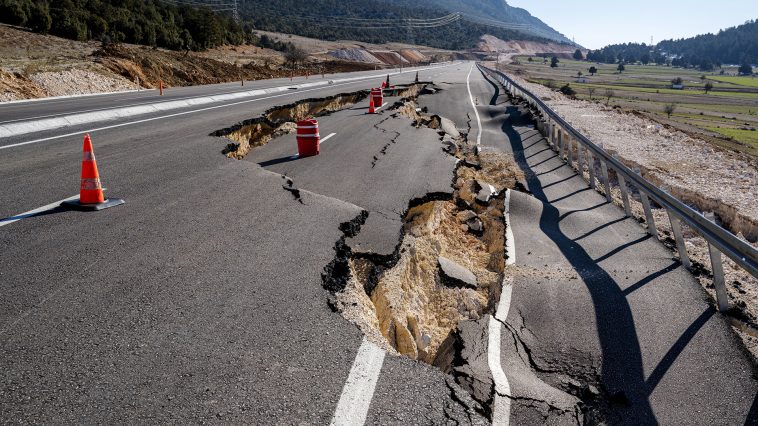
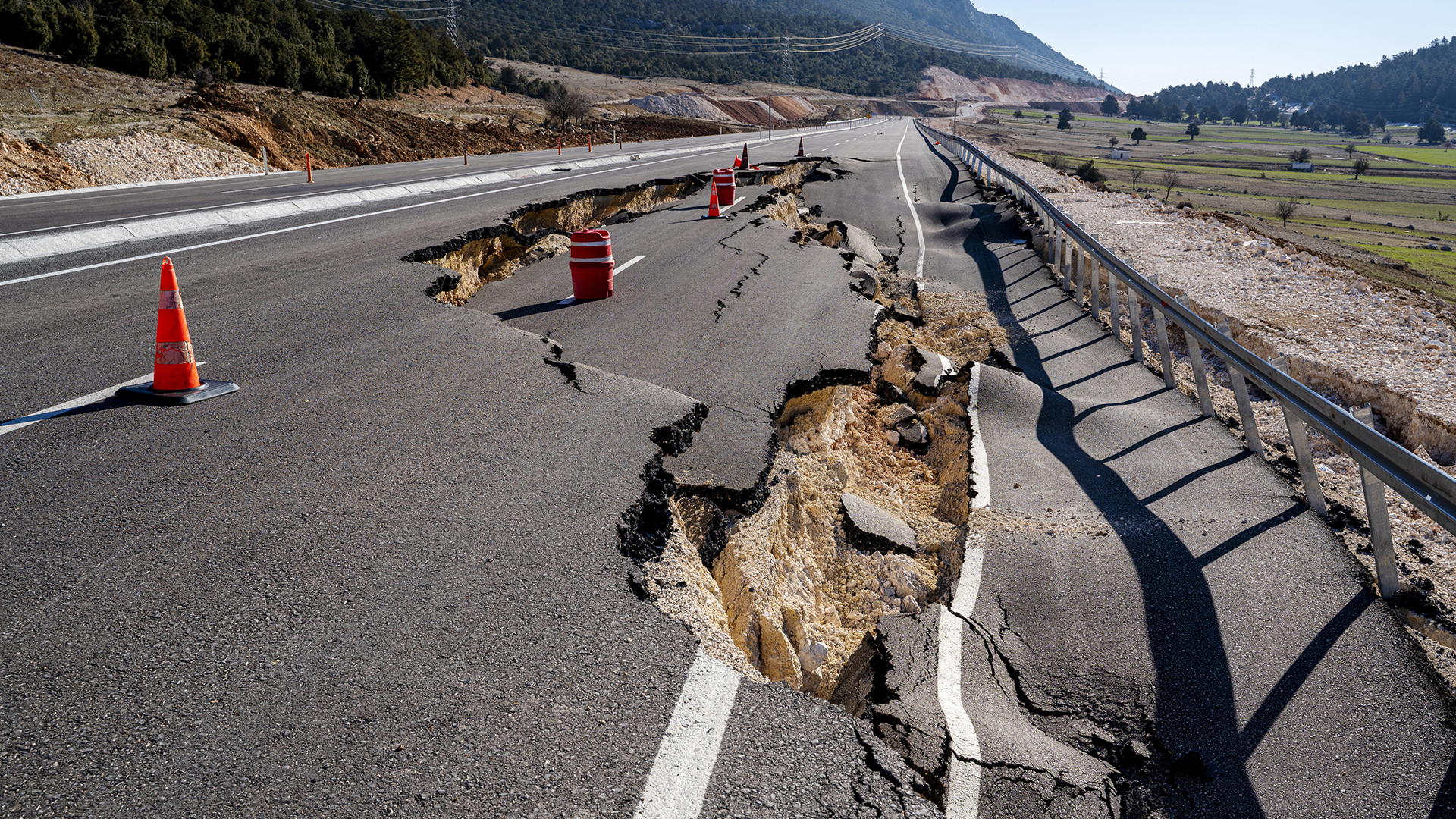
Supershear Earthquakes: The Overlooked Threat in California
In recent discussions about earthquake safety in California, a critical yet overlooked phenomenon is coming to light: the supershear earthquake. For decades, scientists and engineers have been busy studying the traditional seismic events that shake our communities. However, new research warns that there is another kind of rupture—one that moves at speeds so extreme it outpaces its own seismic waves. This phenomenon, known as a supershear earthquake, has the potential to produce a destructive shock that is both intense and far-reaching.
Recent opinion pieces and research findings by experts at the Statewide California Earthquake Center, based at USC Dornsife, emphasize that these fast-moving quakes deliver an added burst of force. Comparing a supershear event to a jet breaking the sound barrier, scientists note that the earth experiences its own kind of sonic boom. The shock waves generated can create an initial jolt, followed by trailing waves that deliver what can only be described as a “double strike” against critical infrastructure and communities.
Understanding the Nature of Supershear Earthquakes
Supershear earthquakes are not your typical seismic event. In fact, the hidden differences between them and conventional earthquakes are both fascinating and challenging. In a traditional earthquake, seismic energy radiates in all directions, but in supershear events, the rupture travels faster than the shear waves in the rock. This results in a focusing of energy that produces a dramatic, more concentrated shock.
When experts like Professor Yehuda Ben-Zion of USC Dornsife speak about these events, they highlight that the frequency of such supershear ruptures has been greatly underappreciated. “While California is no more likely to experience supershear earthquakes than other regions with large fault systems, the unique threat they pose has gone unnoticed for far too long,” Ben-Zion explained. The fact that about one-third of large, strike-slip earthquakes worldwide are supershear only reinforces the importance of studying these events in depth.
The scientific community is beginning to poke around the finer points of what triggers a supershear event. Researchers suggest that certain geological conditions, such as the type of rocks and the orientation of faults, play a significant role in whether an earthquake will release energy in this supercharged manner. It is these very conditions that many of us in policy and planning fields need to consider when drafting more effective hazard mitigation plans for California.
Comparing Supershear Events with Conventional Earthquakes: What Sets Them Apart
The differences between supershear earthquakes and their more conventional counterparts extend far beyond just the speed of rupture propagation. One of the subtle parts that distinguishes supershear events is their energy distribution. Typically, earthquake damage is predicted based on the assumption that the shaking waves will travel in a predictable pattern. However, when a rupture exceeds the shear wave speed, it creates a shock front—a concentrated area of destructive energy that is more likely to impact a larger area than previously anticipated.
This dynamic has important implications for how we prepare for and respond to earthquakes in California. Consider the following key points:
- Directional Energy Release: Conventional design standards for buildings often assume that seismic energy impacts structures perpendicularly to the fault line. Supershear events, on the other hand, channel their energy along the fault line, potentially overwhelming structures built on the line of rupture.
- Double Impact Phenomenon: As explained by Professor Ahmed Elbanna, supershear quakes deliver an initial, powerful shock followed by subsequent waves that continue the assault. This double impact can severely stress the designed limits of current infrastructure.
- Regional Variability: Just as a sonic boom can vary in intensity and reach depending on a jet’s speed and altitude, the extent of damage from supershear events can vary significantly based on local geology and construction methods.
These differences emphasize the need for updated models and hazard assessments, particularly in regions like California where many faults near densely populated areas are capable of producing supershear ruptures. It is not just a matter of recalculating risk; it is about rethinking the very foundation of our earthquake-preparedness strategies.
Redefining Seismic Hazard Assessment and Earthquake Preparedness in California
For too long, the planning around earthquake hazards in California has focused on scenarios modeled after traditional seismic events. Critics argue that this approach fails to account for the extra, concentrated force that could emanate from a supershear quake. With urban areas and critical infrastructure on the line, it is essential to reexamine our methods of both predicting and preparing for these events.
Researchers involved in this study are urging policymakers to work on a multi-pronged approach that includes the following measures:
- Enhanced Seismic Monitoring: Installing denser networks of seismic sensors near major fault lines can help in catching early signs of supershear ruptures. Early detection is key for implementing emergency response protocols that save lives.
- Advanced Computer Simulations: State-of-the-art simulations that incorporate the unique characteristics of supershear events can provide more accurate forecasts and guide the development of better building standards. Such simulations aim to shed light on the tricky parts and tangled issues of energy distribution during these quakes.
- Revised Hazard Planning: Current building codes and safety standards are generally based on conventional earthquake models. In light of the additional shock wave dynamics of supershear events, it is critical that these guidelines be revisited and strengthened. Designers and engineers need to get into the nuances of stress at multiple points on a structure to ensure that the buildings can withstand the double impact of a supershear event.
This rethinking of hazard assessment is more than just an academic exercise—it is a practical necessity that could define California’s ability to cope with future disasters. As research continues, the incorporation of updated criteria into local and state emergency planning documents will be super important in safeguarding communities.
Evaluating Building Codes and Infrastructure Design: Adapting to Supershear Realities
At the heart of any strategy to mitigate earthquake damage are the building codes designed to protect lives and property. Yet, these codes were largely developed under the presumption that buildings would face shaking from conventional quakes. With the emerging understanding of supershear events, it is evident that our current structures might be facing a serious oversight.
Engineers like those at USC’s Statewide California Earthquake Center emphasize that critical infrastructure needs to be built to a higher standard to account for the full force of shock fronts now known to operate during a supershear event. The current level of building resilience might be enough to face most typical seismic activities, but it falls short when faced with the added concentrated energy released along a fault line.
To illustrate this point further, consider the following table which compares conventional earthquake design parameters with the adjusted criteria needed for supershear events:
| Design Parameter | Conventional Earthquake Criteria | Revised Supershear Criteria |
|---|---|---|
| Directional Force Consideration | Primarily perpendicular shaking | Enhanced forces along the fault line |
| Structural Damping | Based on historical seismic records | Increased damping to manage double impact shocks |
| Material Fatigue Standards | Standard tolerances for cyclic loading | Higher tolerances to absorb concentrated energy bursts |
| Foundation and Base Isolation | Designed for lateral movements in a uniform direction | Reengineered for complex, along-fault lateral loads |
While the table represents only a snapshot of the adjustments needed, it underscores a simple truth: building for the future means facing the reality of supershear earthquakes with creatively new engineering solutions. The challenge comes with tackling the confusing bits involved in modernizing codes that were designed under older assumptions.
Updating these standards is not only a technical quest but also a politically charged issue. Lawmakers, engineers, and community leaders must work together to craft policies that mandate higher standards. The conversation needs to shift from local planning groups to urban centers and state-level infrastructure boards. Things that once seemed off-putting—like retrofitting century-old buildings—are now seen as absolutely key to ensuring public safety in an era of unpredictable natural disasters.
Strengthening Seismic Monitoring and Simulation Techniques for Supershear Earthquakes
An essential component in tackling the threat posed by supershear earthquakes is improved seismic monitoring. Traditional sensor networks are a good starting point, but they often fall short when trying to catch the rapid, subtle precursors of a supershear event. With technological advancements and sophisticated simulation techniques, experts are advocating for a significant upgrade in our monitoring capabilities.
Consider these key enhancements that could boost our readiness:
- Increased Sensor Density: More sensors around critical fault lines mean that scientists can get a closer look at the initial signs of a supershear rupture. This information is super important because it gives emergency systems a chance to get around and react more quickly.
- Real-Time Data Integration: Integrating seismic data with advanced analytics and machine learning allows researchers to figure a path through massive data sets and identify patterns that human eyes might miss.
- Enhanced Simulation Models: By building computer simulations that incorporate the double impact nature and directional energy release of supershear events, experts can predict potential scenarios. These models factor in detailed aspects of local geology, much like trying to decode the little details hidden within the overall seismic picture.
It may seem like the task of advancing seismic monitoring is a nerve-racking one, with many tricky parts to deal with. However, the coordinated effort of research institutions such as USC Dornsife, Caltech, and the University of Illinois Urbana-Champaign is already paving the way forward. Their collaborative models not only provide a clearer picture of the physics behind these events but also offer valuable insights that can shape both building codes and emergency response strategies.
The ongoing effort to simulate and understand the seismic behavior during a supershear event is akin to mapping uncharted territory. Every piece of data collected provides a glimpse into the twists and turns of nature’s most overwhelming forces. With each successful simulation, scientists and policymakers gain a more refined understanding of how best to prepare for what many now believe is not just a possibility, but an inevitability over the coming decades.
Policy and Collaboration: The Way Forward for a Resilient California
There is a clear consensus among scientists: while the next supershear earthquake might be inevitable, its catastrophic effects are not unavoidable. The key to mitigating this threat lies in policy—policies that mandate stronger building codes, allocate funds for retrofitting vulnerable structures, and heavily invest in advanced seismic monitoring systems.
Building such a robust strategy is not a one-person or one-agency task. It requires the combined efforts of environmental scientists, state agencies, urban planners, and local government officials. The following points highlight what collaborative action might look like:
- Inter-agency Coordination: State and local government bodies need to join forces to ensure that updated planning and design guidelines for supershear events are uniformly implemented across the board.
- Public-Private Partnerships: Construction companies and engineering firms are vital players in this arena. Partnering with governmental agencies can lead to innovative solutions that are both cost-effective and resilient. Such partnerships can also help spread out the intimidating costs associated with comprehensive retrofitting projects.
- Community Awareness Programs: Public education campaigns should be launched to inform residents about the nature of supershear quakes and the steps they can take in an emergency. When communities understand the business tax implications alongside public safety measures, the initiative gains broader support and compliance.
- Ongoing Research Support: Funding for earthquake research must be sustained and increased. The long-term benefits of spending on groundbreaking simulation studies and improved sensor networks far outweigh the immediate costs, especially when lives and economic stability are at stake.
In this light, policy makers can benefit greatly from taking a closer look at how other regions with similar geological profiles manage seismic risks. By studying regions with large fault systems and a history of managing rapid ruptures, California can extract key lessons and even adapt successful practices to local needs. The crucial insight here is that forward-thinking policy is not just about reacting to a disaster—it’s about preventing conditions that could lead to widespread devastation.
The collaborative deals struck between academic institutions and government bodies already illustrate the kind of forward-thinking needed. When top experts from USC, Caltech, and the University of Illinois Urbana-Champaign join forces, the outcome is a more comprehensive understanding of the fine points of seismic behavior. Such initiatives underscore that the road to better preparedness is through collective action, committed leadership, and an unwavering focus on public welfare.
Conclusion: California’s Roadmap to Earthquake Resilience in the Face of Supershear Threats
California has long been a state defined by its natural beauty as well as its susceptibility to natural disasters. With urban areas, valuable infrastructure, and diverse communities spread across its vast expanse, the need for stronger, more adaptive earthquake preparedness measures has never been more apparent. Supershear earthquakes, with their unpredictable double strike and fast-moving shock fronts, introduce a new set of challenges that demand a comprehensive rethinking of risk mitigation and safety protocols.
While the challenges ahead are full of problems and tangled issues, there is a clear pathway forward. Experts advise that by embracing enhanced seismic monitoring, refining simulation models, updating building codes, and enacting cooperative policies, California can significantly reduce the threat posed by these rapid, high-energy events. Indeed, the journey to ensuring public safety in such situations involves getting into the fine points of both scientific inquiry and practical engineering solutions.
It is now up to policymakers, community leaders, engineers, and scientists to figure a path that integrates cutting-edge research with tangible improvements in public infrastructure. The combined expertise of USC, Caltech, and other leading institutions provides a robust foundation on which to build this roadmap. It is an intimidating challenge, but with every step, there is the promise of greater safety and resilience for millions of Californians.
In the coming decades, as supershear earthquakes cast an ominous shadow over traditional seismic expectations, communities must prepare themselves for potentially overwhelming challenges. This preparation is not merely a scientific exercise but an essential endeavor to secure the public welfare and long-term economic stability of the state. The need to respond, collaborate, and innovate is critical—moving ahead with clear, proactive measures can prevent a scenario where the next major earthquake becomes an unmitigated disaster.
As we look to the future, let us take a moment to reflect on the shared responsibility we have in safeguarding lives, preserving infrastructure, and fostering an informed, resilient community. The discussions around supershear earthquakes are more than an academic debate; they serve as a wake-up call to the full spectrum of stakeholders involved in public safety, construction, and urban planning. With determined focus and coordinated effort, the twists and turns of nature’s unpredictable force can be met with solutions that are both pragmatic and scientifically sound.
California’s journey to enhanced earthquake resilience is already underway. By updating our hazard assessments, modernizing the critical elements of our infrastructure, and encouraging inter-agency cooperation, the state can build a robust defense against the fast and ferocious energy of supershear events. There is no time to tread lightly when public safety is at stake. Instead, let us use this new understanding to redefine and reengineer our approach to seismic hazards, ensuring a safer tomorrow for everyone.
This editorial is a call to action, urging all involved—from local residents to top-tier experts—to get into the discussion, share ideas, and actively participate in initiatives that aim to fortify California against such high-impact challenges. It is only through collective action and thoughtful policy-making that we can create an environment that is truly resilient in the face of such overwhelming natural forces.
As we continue to explore and understand the tricky parts of supershear earthquakes, each discovery and innovation brings us one step closer to overcoming the nerve-racking challenges ahead. The time has come for all sectors—public, private, and academic—to join forces, dissect the little details, and ultimately steer through this era of seismic rethinking. Only then can we transform a potentially catastrophic risk into an opportunity for growth, innovation, and the continued prosperity of our communities.
In summary, supershear earthquakes represent a paradigm shift that calls for new engineering standards, improved monitoring, and more integrated policymaking. Whether through retrofitting aging infrastructure or rolling out state-of-the-art sensor networks, every small step taken today builds the foundation for a resilient future. It is imperative for everyone involved to take this discussion seriously and embrace the challenge with resolve, pragmatic insight, and cooperative spirit.
Let this be the moment when California turned a new page—one where science, policy, and community action converged to create a safer, more prepared state. The science is clear, the challenges are set, and the opportunity to make a lasting difference is now. By recognizing and acting upon the unique hazards of supershear earthquakes, we can ensure that California remains not only a land of opportunity and innovation but also a beacon of resilience in the face of nature’s most overwhelming tests.
Originally Post From https://dornsife.usc.edu/news/stories/supershear-earthquakes-pose-threat-to-california/
Read more about this topic at
Scientists warn California should prepare for destructive …
Their Occurrence and Importance for Seismic Hazard …