Bipartisan Initiative to Rescue East Coast Shellfish: A Closer Look at the QUAHOGS Act
The U.S. Senate is currently seeing a collaborative, bipartisan effort that aims to tackle the puzzling decline of native shellfish populations along the Eastern Seaboard. This effort is embodied in the proposed QUAHOGS Act—a piece of legislation designed to better understand the reasons behind dwindling hard-shell clam and shellfish landings. With both environmental and economic impacts at stake, this legislation stands as a promising step toward solving the intertwined challenges faced by coastal communities, industry leaders, and policymakers alike.
Senators Sheldon Whitehouse (D-RI) and Tim Scott (R-SC) are steering this initiative with a shared commitment to restoring a staple of local tradition and economic vitality. By convening a broad research task force of federal agencies, industry experts, state representatives, and scientists, the proposed legislation seeks to dig into the tangled issues that have led to consistently decreasing shellfish numbers—a phenomenon that has raised concerns on both economic and environmental fronts.
Understanding The East Coast Shellfish Decline And Its Economic Implications
The decline in quahog populations, alongside other native shellfish species, has been under scrutiny since the 1980s. Despite precautions to avoid overfishing, essential species like the Northern quahog have seen significant downturns. These reductions not only disrupt the ecological balance but also create challenges for businesses and local economies reliant on the shellfish industry. For coastal communities, shellfish are much more than a food source—they represent a cultural heritage and a key contributor to regional tourism and local trade.
Key economic implications include:
- Lower incomes for commercial fishermen who rely on regular shellfish harvests.
- Challenges for restaurants and local markets that serve as a gateway for fresh, regional seafood.
- Impact on tourism linked to culinary traditions, such as seasonal chowders and clam bakes.
The deterioration of these vital economic links calls for a detailed examination of the underlying causes—a task that the QUAHOGS Act seeks to address by assembling a diverse group of stakeholders. With contributions from federal representatives and environmental experts, the future of the coastal blue economy may well be safeguarded if the source of the decline is properly identified and tackled.
Bipartisan Legislation: Bridging Confusing Bits of Environmental and Economic Policy
The act of uniting lawmakers from different sides of the political spectrum to address this environmental and economic puzzle is both commendable and essential. While the bill retains a neutral stance, it implicitly acknowledges that the challenges posed by the decline in shellfish populations are full of problems that cut across party lines. Critics on both sides of the aisle have recognized that effective solutions must consider the little details of ecosystem management and the broader intricacies of economic welfare.
The bipartisan approach brings several advantages:
- Shared Resources: Pooling expertise from multiple federal agencies including the National Oceanic and Atmospheric Administration (NOAA) and the Environmental Protection Agency (EPA) ensures that all relevant federal resources are leveraged.
- Cohesive Research: A unified research task force fosters a setting where various academic experts, industry veterans, and state agencies can brainstorm and collaborate without the usual partisan friction.
- Balanced Perspective: By involving both Democratic and Republican members, the bill is designed to remain impartial and focus on science-based solutions over political grandstanding.
This collective effort is a practical example of finding your way through tangled issues that are, at times, intimidating due to their layered nature. With the political environment often on edge when it comes to environmental regulation, the bipartisan sponsorship provides a sense of continuity and trust for industries that are already reeling from the effects of climate change and evolving regulatory frameworks.
Role of Federal Task Forces and Industry Collaboration in Addressing Declining Shellfish
The QUAHOGS Act proposes the creation of an East Coast Bivalve Research Task Force, which is envisioned as a melting pot of expertise drawn from several sectors. This task force will consist of between 16 and 21 members, handpicked by the Secretary of Commerce. The appointed chair, selected from NOAA, will lead a team that includes representatives from the EPA, the Department of Agriculture, and several regional Fishery Management Councils.
In addition to federal and state agency representatives, the task force is designed to include:
- Leaders from the bivalve fishing industry who understand the practical challenges of shellfish harvesting.
- Academic researchers who bring deep analytical and empirical insights into the subject matter.
- At least one Tribal representative, ensuring that the perspective and rights of indigenous communities are part of the conversation.
The formation of this team paves the way for a collaborative analytical framework aimed at identifying the subtle parts driving shellfish decline. By pooling the wisdom of various experts, the task force is set to conduct a comprehensive review of current data, forecast future trends, and propose concrete strategies. The envisioned report will integrate current research and highlight the financial and regulatory barriers that continue to pose challenges to shellfish aquaculture.
Exploring Hidden Complexities in Shellfish Decline: Causes and Perceived Challenges
The decline in shellfish populations has puzzled both scientists and industry leaders for decades. The factors influencing these trends are not straightforward; they involve a mix of environmental shifts and human-induced changes. Among the potential causes are:
- Ocean Acidification: Changes in ocean pH alter the chemical balance of marine habitats, affecting shell formation and survival rates of bivalves.
- Nitrogen Reduction: Shifts in nutrient cycles can modify food webs, ultimately reducing the availability of plankton that young shellfish rely on for growth.
- Declining Seagrass Meadows: Seagrass beds serve as vital nurseries and feeding grounds. Their reduction leaves shellfish vulnerable to predators and environmental stresses.
- Lower Phytoplankton Production: Plunging levels of phytoplankton disrupt the entire marine food chain, impacting bivalve reproduction and growth.
Because these causes are interlinked with both natural phenomena and anthropogenic influences, shape a situation that is loaded with issues. In many ways, the act of understanding these tricky parts is akin to working through a labyrinth where each twist and turn may reveal yet another layer of the problem. As scientists get into this research, they will have to consider each contributing factor in isolation as well as in combination, thus ensuring that no significant detail is left unexamined.
Economic Repercussions: How Declining Bivalve Stocks Affect Coastal Communities
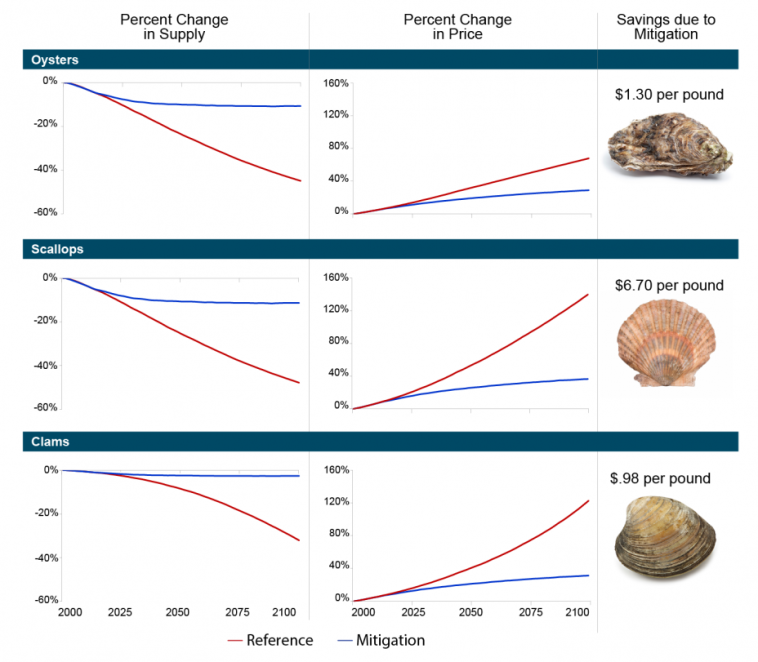
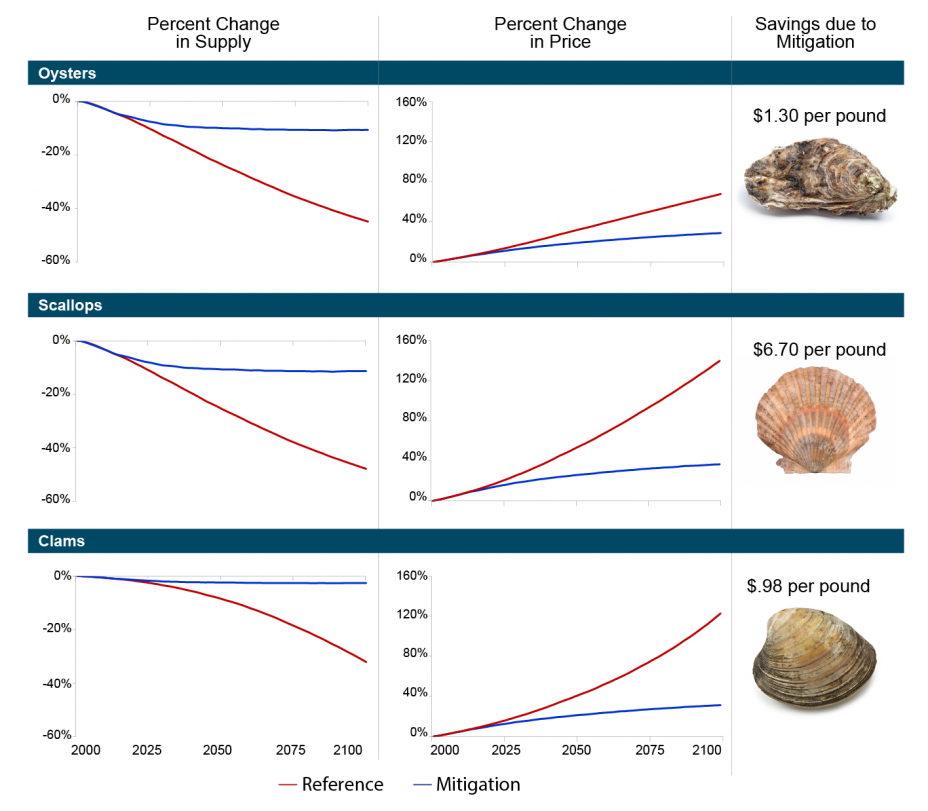
The decline in valuable shellfish harvests isn’t just an environmental setback—it represents an economic shock for coastal communities that depend on them. Historically, the bivalve industry has been a key driver of regional commerce. For instance, hard clams were once among the most important fisheries in Southern New England. In decades past, Rhode Island was renowned for exporting millions of dollars’ worth of clams to industries abroad, demonstrating the economic might of a healthy shellfish population.
Current industry members argue that diminished landings have led to a cascading effect on various sectors. These affected groups include:
- Fishing Vessels and Processors: A reduction in catch volumes forces companies to minimize operations, which can result in job losses and reduced incomes.
- Local Restaurants and Markets: Specialty dishes that once celebrated regional ingredients may lose their appeal if the supply of local shellfish declines, harming culinary tourism.
- Tourism and Cultural Festivals: Many local festivities and traditions are deeply intertwined with seafood harvests. The changing dynamics can hurt events that draw visitors from far and wide.
These economic challenges accentuate the narrative that the QUAHOGS Act is more than an environmental measure—it is a blueprint for economic revivification. By diagnosing and addressing the fine points of the shellfish decline, policymakers can help revive a once-thriving segment of the coastal economy, providing long-term stability for small businesses that depend on these natural resources.
Implementing Science-Based Solutions Amidst Tangled Regulatory Pieces
A common frustration among environmentalists and industry leaders is the presence of numerous, often conflicting, regulatory measures that sometimes confuse rather than clarify the path forward. The QUAHOGS Act aims to circumvent these nerve-racking issues by promoting science-based research and recommendations tailored specifically to the bivalve sector.
The proposed task force is expected to produce a comprehensive research report that will address:
- Current State of Scientific Understanding: A synthesis of existing research to provide an in-depth overview of the decline in bivalve populations.
- Future Research Directions: Recommendations on areas that need further investigation to remove the hidden complexities obscuring future forecasts.
- Regulatory Barriers: Identification and discussion of financial and regulatory hurdles that hinder effective shellfish aquaculture, thereby offering practical solutions for policy adjustments.
This science-first approach is intended to ensure that any remedial actions are built on verified data and validated theories rather than on assumptions. With clear goals in mind, stakeholders—from commercial fishermen to environmental regulators—can then build a coherent roadmap aimed at addressing the small distinctions that have been historically overlooked.
Finding Your Path Through Tangled Issues: Stakeholder Perspectives and Legislative Support
One of the most encouraging aspects of the legislation is the extensive support and input it has garnered from a wide array of stakeholders. The voices of coastal communities, business owners, and environmental groups have all converged in favor of an initiative that is designed to restore a critical component of the Blue Economy.
In speaking about the bill, industry leaders have emphasized how essential it is to collect reliable research on seed stocks and environmental conditions. For example, representatives from the East Coast Shellfish Growers Association have pointed out that finding a clear root cause for shellfish decline is a must-have aspect for reversing the trend. Similarly, business owners from South Carolina, where the bivalve industry forms a core part of the local economy, believe that actionable solutions will benefit not only the ecosystem but also the families who depend on these fisheries for their livelihood.
Key points raised by industry stakeholders include:
| Concern | Solution Focus |
|---|---|
| Economic Impact on Families | Creating research-based strategies that ensure sustainable aquaculture practices. |
| Environmental Uncertainty | Reviewing and updating regulations in line with current scientific findings. |
| Cultural Heritage | Preserving the historical traditions surrounding shellfish harvests. |
These discussions underline the fact that saving shellfish populations is not just an environmental imperative—it is also intertwined with the social and cultural tapestry of coastal regions. As the debate continues, it is clear that successful policy changes must strike a balance between immediate economic needs and long-term ecological sustainability.
Policy Recommendations: Finding Your Way Through Tangled Regulatory Issues for a Blue Economy Boost
Given the range of challenges—from environmental shifts to economic repercussions—policymakers need to figure a path that carefully considers all the opaque parts of this issue. Recommendations coming out of the proposed research include:
- Data-Driven Decision-Making: Adopting comprehensive data collection and analysis methods will help to uncover the subtle parts of shellfish decline, ensuring that future policies are anchored in solid evidence.
- Increased Interagency Cooperation: Enhanced collaboration among federal, state, and local agencies can help streamline regulations and minimize conflicting directives.
- Supporting Innovation in Aquaculture: Investment in new technologies and sustainable practices will help to mitigate risks of future declines and open up additional revenue streams for small coastal businesses.
- Community-Based Management: Involving local stakeholders such as fishing communities, academic researchers, and Tribal representatives guarantees that policies are not only practical but are also tailored to local needs.
Another critical element of the act is its potential to serve as a model for other regions grappling with similar challenges. By taking a closer look at the reasons behind the shellfish decline and then implementing categorically science-based recommendations, leaders hope to cut through the overwhelming issues that have long prevented clear, decisive action.
Economic and Environmental Benefits: The Dual Promise of the Proposed Legislation
Advocates of the QUAHOGS Act see it as a keystone policy that addresses both economic fragility and environmental vulnerability—a dual promise that is critical in today’s world of rapid climate change and shifting market dynamics. The proposed task force is not just an academic exercise; it is a practical solution aimed at ensuring that the economic benefits of healthy shellfish populations are preserved for future generations.
The dual benefits include:
- Environmental Preservation: A robust understanding of the factors behind shellfish decline can lead to better resource management practices, resulting in healthier marine ecosystems.
- Economic Revitalization: A rebound in shellfish populations would revive commercial fisheries, creating more jobs and ensuring sustainable income for coastal communities.
At the heart of this legislative proposal is the idea that economic prosperity and environmental stewardship are not mutually exclusive. Instead, by addressing the confusing bits that contribute to shellfish decline, policymakers can set the stage for a renewal of the Blue Economy—a promise that benefits fishermen, business owners, and the environment alike.
Charting A Future for East Coast Shellfisheries in a Changing Climate
As ocean conditions continue to evolve and human activities reshape coastal environments, the need for innovative, science-backed approaches to resource management becomes ever more critical. The QUAHOGS Act stands as an effort to chart a clear path for East Coast shellfisheries—a task that is at times overwhelming, yet absolutely necessary.
This initiative calls on everyone involved—from legislators and scientists to local communities—to take a closer look at the factors undermining one of America’s traditional natural resources. By pooling knowledge, harnessing corporate expertise, and forging strong partnerships, the act reveals a commitment to overcoming the nerve-racking challenges that have long stalled meaningful progress on these issues.
Critically, the proposed plan not only aims to uncover the little twists that contribute to shellfish decline, but it also strives to foster an environment where sustainable practices become the norm rather than the exception. For coastal businesses, especially those operating on tight margins, this shift represents a much-needed break from the uncertainty that has characterized the past few decades. With targeted research and coordinated action, the hope is to reverse past trends and secure a profitable, enduring future for shellfisheries along the Eastern Seaboard.
Looking Ahead: The Road to Recovery and Sustainable Growth
The potential impacts of the QUAHOGS Act extend well beyond the immediate goal of understanding shellfish decline. In many ways, this legislative proposal can serve as a case study for other regions grappling with similar tangled issues in resource management. If successful, it will not only lead to clearer regulatory frameworks and more robust environmental protections—but it will also provide a blueprint for sustainable economic growth fueled by science and innovation.
Key milestones on this road to recovery might include:
- Enhanced Monitoring: Establishing continuous data collection to track shellfish populations and environmental changes, ensuring real-time adjustments to management strategies.
- Adaptive Management Strategies: Creating flexible policies that can quickly respond to observed changes in ecosystem dynamics, thus reducing the risk of future declines.
- Investment in Research and Technology: Allocating resources to the development of sustainable aquaculture practices and innovative monitoring technologies that identify early warning signs of ecosystem stress.
This structured approach is expected to help stakeholders work through the complicated pieces of regulatory reform and industry adaptation. It represents a collaborative effort to take charge of the future in a manner that is both practical and sustainable—ensuring that the economic and environmental benefits of a vibrant shellfishing industry are available for many years to come.
Conclusion: Uniting for a Resilient and Sustainable Coastal Future
The QUAHOGS Act encapsulates the spirit of cooperation and forward-thinking that is required to tackle modern environmental challenges. By uniting various sectors—from federal agencies and state representatives to industry leaders and local communities—the proposed legislation offers a promising avenue to uncover the hidden reasons behind declining shellfish populations and to implement actionable, science-based solutions.
With its dual focus on economic renewal and environmental preservation, the bill provides a reminder that small businesses and regional industries are deeply intertwined with the health of our natural ecosystems. The initiative’s bipartisan support emphasizes that, despite the nerve-racking twists and turns of political debate, there exists a shared commitment to protecting a cornerstone of coastal culture and commerce.
In an era marked by unpredictable ocean conditions and rapid economic shifts, the need to get into the nitty-gritty of the decline in shellfish populations has never been more critical. The QUAHOGS Act is poised to not only address these challenges head-on but also chart a course toward a resilient, robust future for the East Coast Blue Economy. As local economies, small businesses, and coastal communities await clarity and action, the promise of this bipartisan effort offers hope that sustainable and inclusive solutions are within reach.
Ultimately, it is through initiatives like this—where federal collaboration, local wisdom, and scientific inquiry come together—that we can hope to preserve both our cultural heritage and the natural resources that support it. In doing so, the nation not only ensures the survival of its shellfish stocks but also reinvigorates an economic lifeline that has, for generations, nurtured coastal livelihoods.
Originally Post From https://www.whitehouse.senate.gov/news/release/whitehouse-scott-introduce-bipartisan-quahogs-act-to-investigate-declining-shellfish-populations/
Read more about this topic at
Whitehouse, Scott Introduce Bipartisan QUAHOGS Act to …
Scott, Whitehouse Introduce Bipartisan QUAHOGS Act to …