Revolutionizing Women’s Health Through Lab-Made Reproductive Organoids
The ever-evolving world of biotechnology is presenting novel ways to tackle the tricky parts of women’s health research. In recent years, scientists have been able to create lab-made organoids—miniature clusters of cells that mimic reproductive tissues such as the placenta, ovaries, and endometrium. These 3D models are offering researchers a fresh angle from which to study issues like pre-eclampsia, endometriosis, and other common female health challenges.
Organoids have grown from a niche experimental tool to a transformative technology that serves to unravel the tangled issues involved in human reproduction. While the scientific community remains in constant debate about the best methods to use these models, their potential to mimic the key features of complex organs is drawing widespread attention. In this opinion editorial, we take a closer look at how these new tools are reshaping our approach to women’s health, exploring both their scientific promise and the obstacles that still lie ahead.
Lab-Made Organoids: A Game Changer in Reproductive Biology
For decades, research into the human reproductive system has been hampered by the limitations of two-dimensional cell cultures and animal models that often fall short in replicating the fine points of human physiology. Enter lab-made organoids—3D structures grown from stem cells in a synthetic matrix. These systems allow cells to self-assemble into clusters that retain many of the subtle details of their in vivo counterparts.
Unlike conventional cultures that flatten out the delicate architecture of tissues, organoids maintain the essential characteristics and behaviors of real organs. They divide, differentiate, communicate, and even undergo cell death in a manner that more accurately mirrors what happens within the human body. As our understanding deepens, researchers are now able to study not just the general behavior of reproductive tissues but also the nitty-gritty of how interactions play out at the cellular level.
Advanced Organoid Modeling in Women’s Reproductive Health
One of the key breakthroughs in this field came with the development of placental organoids. In an ingenious twist of fate, a reproductive biologist at the Friedrich Miescher Institute discovered that her cultured cell clusters were secreting human chorionic gonadotropin (HCG) – promptly confirmed by a simple pregnancy test. This finding provided undeniable proof that the organoids could indeed mimic the trickier aspects of placental function.
However, the implications extend far beyond recreating hormonal signatures. By simulating the conditions under which the placenta invades the uterine lining, researchers are probing the underlying mechanisms that ensure a successful pregnancy. They are, in effect, figuring a path through the overwhelming maze of maternal-fetal communication. In doing so, they hope to identify early markers of complications like pre‐eclampsia—a condition that, while affecting only a small percentage of pregnancies globally, can have dire consequences if left unchecked.
Revealing the Hidden Complexities of Placental Development
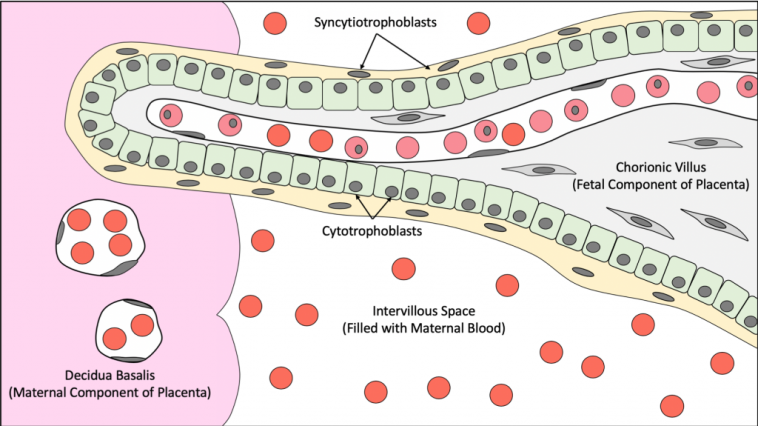
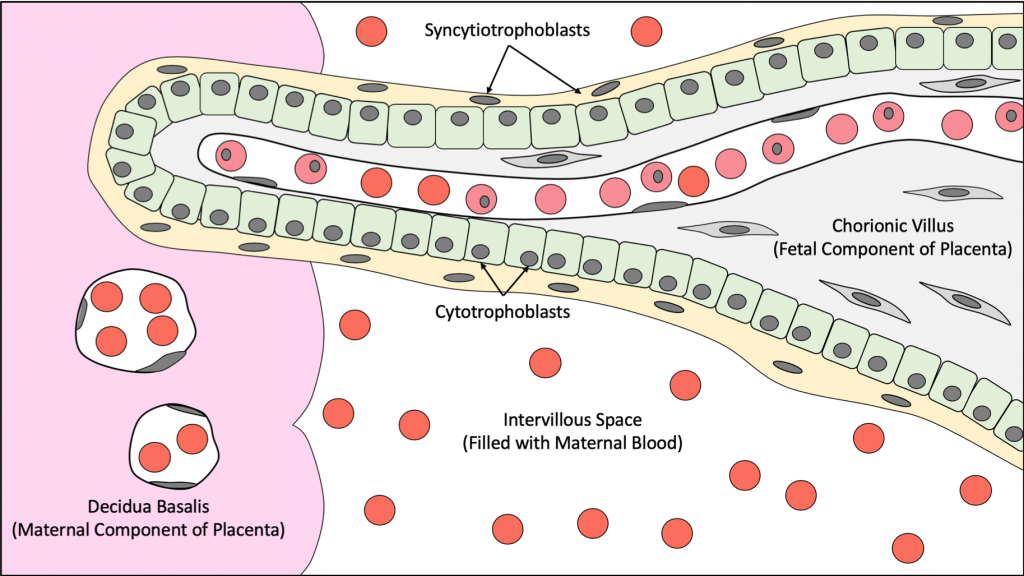
The placenta is arguably one of the most critical yet mysterious organs in the reproductive system. It forms the vital link between the mother and the fetus, orchestrating a delicate dance of nutrient exchange and hormonal signaling. Although many animals develop placentas, human placental development features unique twists and turns that are not easily replicated in conventional animal models.
For instance, although both human and mouse placentas invade the uterine lining, the timing and depth of invasion vary dramatically. Researchers are now using placental organoids to poke around the fine details of these processes. Experiments have shown that when placental cells interact with components of the uterine lining, they alter gene expression profiles in ways that are suggestive of conditions like pre-eclampsia. These revelations not only promise to shed light on pregnant women’s health but also hint at potential targets for therapeutic intervention.
Organoid Technology and the Future of Personalized Women’s Health
The potential of organoid technology in personalized medicine cannot be understated. Many researchers now believe that these models could be used to screen for responses to drugs or to understand the unique ways in which different patients’ tissues respond to hormonal shifts. This could be particularly beneficial in treating disorders such as endometriosis, where one-size-fits-all treatments often fall short.
For decades, treatments for endometriosis have focused primarily on symptom relief rather than addressing the root cause. Conventional drug trials have struggled to emulate the human condition because even the best animal models fail to replicate the exact nature of the disease. With the emergence of endometrial organoids grown within synthetic hydrogels, there is renewed hope in developing therapies that target the underlying causes of endometriosis.
Modeling Endometriosis: Overcoming Intimidating Challenges
Endometriosis is a condition where endometrium-like tissue grows outside the uterus, eventually causing inflammation, pain, and the formation of scar tissue. One of the most nerve-racking aspects of the disease is understanding why normal uterine cells begin to behave abnormally. Lab-made organoids are now enabling scientists to mechanically mimic the process of menstruation, offering insights into how and why the uterine lining detaches and reorganizes.
The process starts with the creation of endometrial organoids using both epithelial and supporting stromal cells. In traditional cultures, the proteins found in natural hydrogels can sometimes hamper the essential cell-to-cell communication required for a proper menstrual cycle. To overcome this, researchers have developed synthetic hydrogels that provide a cleaner slate, allowing cells to interact more naturally. This breakthrough makes it possible to test new treatments that could potentially reduce the symptoms of endometriosis or even prevent its onset in the first place.
Enhancing Drug Screening with Organoid Platforms
One of the promising aspects of organoid technology is its potential to serve as an excellent platform for drug testing. Unlike traditional cell cultures, these 3D models offer a closer approximation of human physiology, which means that therapeutic responses observed in the lab are more likely to translate to successful outcomes in patients. The ability to screen for personalized drug responses has never been more critical, particularly for diseases like endometriosis, where patient responses can be as varied as the disease itself.
This approach is being bolstered by the integration of microfluidic chips into organoid cultures, which allow researchers to accurately simulate the dynamic environment of tissues. With the spontaneous formation of blood vessels in these chips, the models become even more realistic. Such advancements are enabling the creation of lesion-like structures that are vital for testing how new compounds could potentially cure or alleviate the impact of endometrial disorders.
Exploring Pre-Eclampsia Through Mini Placental Models
The invasive nature of the placenta is a double-edged sword—it’s necessary for maternal-fetal communication, but if something goes wrong during this critical process, the consequences can be severe. Research using placental organoids has significantly enhanced our understanding of the minute details involved in placental invasion and the conditions under which it fails.
Pre-eclampsia, a serious pregnancy complication characterized by high blood pressure and protein build-up, remains a major concern for obstetricians around the world. By recreating the early stages of placental development in vitro, scientists are beginning to get into the tangled issues that can lead to this condition. Lab-made models allow for the investigation of how, when, and why the placenta sometimes fails to secure an adequate blood supply for the fetus, potentially leading to inflammation and the subsequent release of harmful factors into the mother’s bloodstream.
Decoding the Molecular Conversations in Placental Invasion
At the heart of placental development is a complex dialogue between the fetal cells and the maternal uterine tissue. With organoid technology, scientists are now able to simulate and study this conversation. For example, exposing placental organoids to uterine natural killer cells has revealed that these immune cells send out chemical signals that influence placental invasion. This dialogue is more than just a series of isolated interactions—it’s a coordinated exchange that ensures the placenta establishes the necessary blood channels between the mother and the fetus.
What makes this research particularly exciting is its implications for early diagnosis and intervention. By identifying key genes and signaling pathways involved in the maternal-fetal conversation, researchers can potentially pinpoint early markers of pre-eclampsia and other conditions. This not only promises improved outcomes for both mother and child but also highlights the indispensability of organoid platforms in modern reproductive medicine.
Emerging Trends: Synthetic Hydrogels and Vascularized Organoids
One of the more exciting trends in organoid research is the development of synthetic hydrogels that provide a stable and reproducible environment for growing miniature tissues. Unlike traditional matrices, these custom-formulated gels lack the extraneous biological signals that can interfere with the natural behavior of cells. This level of control is essential when studying the intricate dance of interactions that occur during tissue regeneration and disease.
Synthetic hydrogels are not only helping researchers build better models of the endometrium and placenta, but they are also paving the way for creating more complex systems. For example, by incorporating vascular cells into the gel, scientists have successfully engineered organoids that include a network of blood vessels—an essential element for truly mimicking the in vivo scenario. In the case of endometriosis, having a blood vessel-laden organoid allows researchers to observe how abnormal endometrial tissue establishes itself and sustains an unwanted growth.
Integrating Vascular Networks: The Nitty-Gritty of In Vitro Modeling
The formation of blood vessels within engineered organoids is one of the finer details that sets apart a successful model from a less representative system. Blood vessels are critical in delivering nutrients, oxygen, and in removing metabolic waste, and their inclusion in organoid cultures offers a more realistic portrayal of how tissues operate. The synthesis of vascularized organoids calls for not only a smart combination of cell types but also meticulous control over the microenvironment.
To illustrate the significance of this breakthrough, consider the following bullet list outlining the benefits of vascularized organoids:
- Enhanced Realism: Mimics the real tissue environment more accurately.
- Improved Drug Response Predictability: Better predicts how drugs behave in actual human tissues.
- Insight Into Disease Mechanics: Offers valuable data on how abnormal growth and invasion occur in reproductive tissues.
- Facilitated Tissue Repair Studies: Provides a powerful system to test regenerative therapies.
This list highlights how the integration of vascular networks adds super important depth to organoid platforms, making it possible to study not only the static aspects of tissue formation but also the dynamic interplay of living systems.
The Economic and Regulatory Landscape Impacting Organoid Research
As promising as organoid technology is for transforming women’s health care, its broader adoption is not without economic and regulatory challenges. Significant investment is required to move cutting-edge research from the lab bench to the bedside, and the path is often loaded with issues related to funding allocation and regulatory oversight.
Government agencies and private investors alike are beginning to take notice of the potential that these models bring to personalized medicine. Research in the United States and Europe is receiving increased attention from bodies like the National Institutes of Health, the Food and Drug Administration, and the European Medicines Agency, all of which are striving to reduce reliance on animal testing in favor of more humane and accurate human models.
Funding Challenges and Policy Implications in Translational Research
Despite the surge of interest in organoid technology, women’s health research remains underfunded compared to other medical fields. This imbalance is particularly evident when examining historical tendencies that have often sidelined research into female reproductive conditions. Addressing this discrepancy requires not just increased funding but also the implementation of policies that recognize the unique challenges and opportunities within this field.
The following table outlines some of the key economic and policy factors that impact organoid research in women’s health:
| Factor | Details |
|---|---|
| Funding Disparities | Historically, women’s health research has received less financial support compared to other areas of medicine. |
| Regulatory Hurdles | Moving from lab-based discoveries to clinical applications involves navigating intimidating regulatory frameworks that require rigorous testing and validation. |
| Investment in Technology | The development of synthetic hydrogels and vascularized organoid platforms requires sustained investment in both technology and interdisciplinary research collaboration. |
| Public-Private Partnerships | Collaboration among government, academic, and industry partners is key to translating breakthrough research into widely available therapies. |
By addressing these economic and policy issues head-on, the full potential of organoid models in transforming women’s health care can be more quickly realized. The task is not just scientific—it is also about ensuring that regulatory and financial frameworks support these innovative methodologies.
Bridging the Gap Between Basic Science and Clinical Application
The journey from bench to bedside is rarely straightforward, especially when dealing with the off-putting challenges of translating basic scientific discoveries into actionable clinical therapies. It takes considerable time, resources, and collaboration to ensure that lab successes can lead to improved patient outcomes. Organoid research is no exception.
Clinical translation involves multiple stages, starting with the validation of organoid models against known clinical data. Only after ensuring that these models accurately mimic human physiology can researchers justify the next step—testing potential treatments in a controlled, patient-specific environment. In the case of reproductive health, this transition is particularly sensitive, given the dual need to protect both maternal and fetal health.
Strategies to Speed Up Translation and Broaden Impact
Several strategies are being employed to bridge the gap between scientific discovery and clinical application. They include:
- Interdisciplinary Collaboration: Bringing together experts from reproductive biology, bioengineering, and clinical medicine to design studies that are both rigorous and pragmatically relevant.
- Investment in Infrastructure: Building state-of-the-art facilities that can support the creation and testing of organoid models at scale.
- Robust Clinical Trials: Designing trials that incorporate organoid-derived data to ensure that therapies tested in the lab lead to meaningful outcomes in patients.
- Patient-Centric Research: Involving patient advocacy groups to ensure that the research agenda addresses real-world concerns and translates into better health care services.
Each of these strategies helps to mitigate the nerve-racking uncertainty that sometimes accompanies the leap from laboratory research to clinical therapy. By ensuring that each small distinction in the lab is reflected in a patient’s treatment plan, the scientific community can work to close the gap that has long hampered advances in women’s health.
Technological Innovations: The Role of Microfluidic Chips and Synthetic Matrices
Recently, microfluidic chips and synthetic matrices have emerged as key tools for enhancing the accuracy of organoid models. These systems allow researchers to create controlled environments where multiple cell types can interact dynamically, thereby simulating the natural tissue environment more closely than ever before.
The integration of microfluidic chips into organoid research has enabled the spontaneous formation of vascular networks—a breakthrough that not only boosts the physiological relevance of these models but also opens the door to more sophisticated studies of tissue repair and regeneration in the female reproductive system.
Understanding the Benefits of Microfluidic Technology in Organoid Research
Microfluidic technology is transforming how researchers design and implement in vitro studies. Here are some benefits that this technology offers:
- Precise Control: Microfluidic chips allow for the careful regulation of fluid flow, which is critical for mimicking the nutrient and oxygen gradients found in actual tissues.
- Cost-Effective Scaling: The technology enables researchers to conduct multiple parallel experiments, reducing costs and accelerating the pace of discovery.
- Enhanced Data Quality: With improved environmental control comes the ability to generate more reliable and reproducible data, thereby increasing confidence in preclinical findings.
- Dynamic Modeling: The combination of microfluidics with organoid cultures allows for dynamic, real-time monitoring of cell behavior, essential when studying processes like menstruation, placental invasion, or the formation of abnormal tissue structures such as those seen in endometriosis.
These technological innovations are making it possible for scientists to dig into complex reproductive processes with unprecedented detail. Each experiment conducted in a controlled microfluidic system helps piece together the subtle parts of human reproductive physiology, bringing us one step closer to cures and better treatments for women worldwide.
Balancing Promise with Practical Considerations
While the promise of lab-made reproductive organoids is enormous, it is important to remain realistic about the challenges that lie ahead. The path to fully integrating these models into everyday clinical practice is filled with tricky parts, from replicating every subtle detail of organ function to ensuring that results are both reproducible and scalable.
Critics often point out that organoids, while impressive, still have limitations. They may not capture every twist and turn of a fully functioning organ, and there is always the risk that findings in the lab may not translate neatly to human patients. Despite these concerns, the community of researchers remains optimistic, viewing these challenges as opportunities to further refine the technology.
Addressing Concerns and Overcoming Technical Obstacles
For any emerging technology, skepticism is a natural part of the scientific process, and organoid research is no exception. Here are a few of the key concerns and the methods being adopted to tackle them:
- Reproducibility: Developing standardized protocols for growing and maintaining organoids is key to ensuring that experiments can be reliably replicated across laboratories worldwide.
- Scalability: Transitioning from small-scale experiments to clinical-grade models requires technological enhancements in both the production and management of organoids.
- Complexity of Tissue Interactions: While organoids capture many aspects of organ function, incorporating the full array of cell types and interactions remains a work in progress. The integration of supportive matrix materials, such as synthetic hydrogels, is seen as a promising approach to address this limitation.
- Regulatory Hurdles: Any new therapy based on organoid technology must pass rigorous regulatory standards. Ongoing dialogue between researchers, clinicians, and regulatory bodies is crucial for smoothing this pathway.
Innovation thrives on a balanced approach—a willingness to take risks while carefully evaluating each step along the way. In the context of women’s health, this balanced perspective is particularly important given the high stakes involved in reproductive medicine. The strides made with organoid models not only provide hope but also demonstrate the potential for breakthroughs that could transform lives.
Looking Ahead: The Future Landscape for Women’s Health Research
The rapid progress in organoid technology marks just the beginning of what many believe will be a new era in women’s health research. From improving the understanding of placental physiology to offering new insights into diseases like endometriosis and pre-eclampsia, the applications of these models are broad and far-reaching.
Moreover, as healthcare shifts toward personalized medicine, the ability to use patient-derived cells to grow organoids opens up the possibility of tailoring treatments to individual genetic profiles. This could lead to more effective therapies and reduced side effects, addressing a long-standing challenge in reproductive health care.
Embracing Personalized Medicine Through Organoid Technology
Personalized medicine is not just a buzzword—it is the next step in the evolution of patient care, especially in conditions that have been historically difficult to treat. By using cells taken directly from patients, researchers can create organoids that reflect the unique characteristics of an individual’s tissue. This approach offers several advantages:
- Customized Treatment Plans: Therapies can be tested on organoids derived from a specific patient, allowing for more precise predictions of treatment outcomes.
- Reduced Trial and Error: By understanding how a patient’s cells will react in a controlled environment, doctors can avoid the nerve-racking process of trial-and-error in medication dosage and combination.
- Enhanced Insight into Disease Mechanisms: Patient-specific organoids enable researchers to figure a path through the complex, individualized mechanisms underlying diseases like endometriosis or placental dysfunction.
These advancements not only herald a future where women’s health is approached with more nuance and understanding, but they also signal a broader shift toward medical practices that are super important in addressing the small distinctions that make each case unique.
Conclusion: A New Dawn for Women’s Reproductive Health
The development of lab-made organoids represents a transformative shift in the landscape of women’s health research. These three-dimensional cell clusters are giving scientists an unprecedented window into the subtle parts of organ development and disease processes that were previously obscured by less representative models.
While challenges remain—from ensuring reproducibility to navigating regulatory processes—the steady progress made in this field suggests a bright future. With continued investment, refined technology, and interdisciplinary collaboration, the promise of organoid research can be fully realized. The innovations discussed here not only have the potential to provide relief for millions experiencing conditions such as pre-eclampsia and endometriosis but also represent a critical step toward personalized, more effective treatments.
As we stand on the brink of this scientific revolution, it is imperative for the medical community, policymakers, and investors alike to recognize the value of these efforts. The journey may be loaded with issues and the path sometimes overwhelming, but each success brings us closer to a future where women’s reproductive health is better understood and more effectively maintained.
In the end, these advances are not just technical feats; they are meaningful strides toward a world where the health of mothers, daughters, and every person with a uterus can be safeguarded more reliably. Lab-made organoids have opened a new chapter in the story of human reproduction—one that promises to transform research, tailor treatments to individual needs, and ultimately improve the quality of care delivered to countless patients.
As the research community continues to work through the tangled issues and confusing bits that come with pioneering new technology, one thing is clear: the tiny tissues grown in the lab today could be the super important, key instruments in the clinical breakthroughs of tomorrow. It is up to us—scientists, clinicians, and administrators—to steer through these challenges and ensure that the future of women’s health is not only innovative but accessible to all.
With organoid technology leading the way, the journey to a deeper understanding of the female reproductive system is well underway, and the implications for treatment and preventive care are truly promising. By embracing these innovative strategies and committing to overcoming even the trickiest parts of research, we can look forward to a new era in which reproductive health challenges are met with science, compassion, and precision.
In summary, the development and application of lab-made reproductive organoids is a testament to human ingenuity and resilience. The road ahead may be filled with subtle details and hidden complexities, but the destination—a future where women’s health care is more personalized, effective, and compassionate—is undoubtedly worth the journey.
Originally Post From https://www.nature.com/articles/d41586-025-03029-0
Read more about this topic at
Research Progress, Challenges, and Breakthroughs of …
Development and Applications of Organoids in …