Underwater Innovation and Its Ripple Effects on Industrial Manufacturing
Chinese scientists have recently introduced a ghostlike jellyfish robot designed for stealth underwater surveillance. This cutting-edge technology, which resembles the delicate movements of a real jellyfish, is making waves in both the scientific and industrial worlds. While the innovation is impressive on its own, its applications stretch far beyond the realm of underwater research. Its potential to impact small business, industrial manufacturing, and even sectors such as electric vehicles or business tax laws is a fascinating subject for discussion.
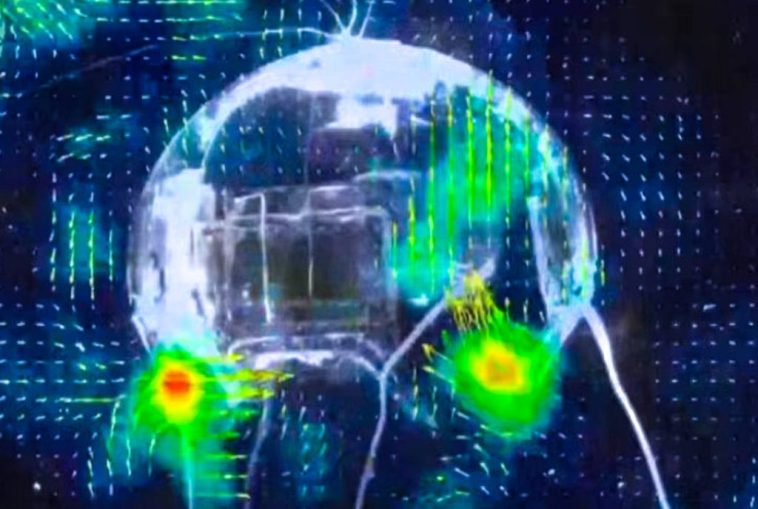
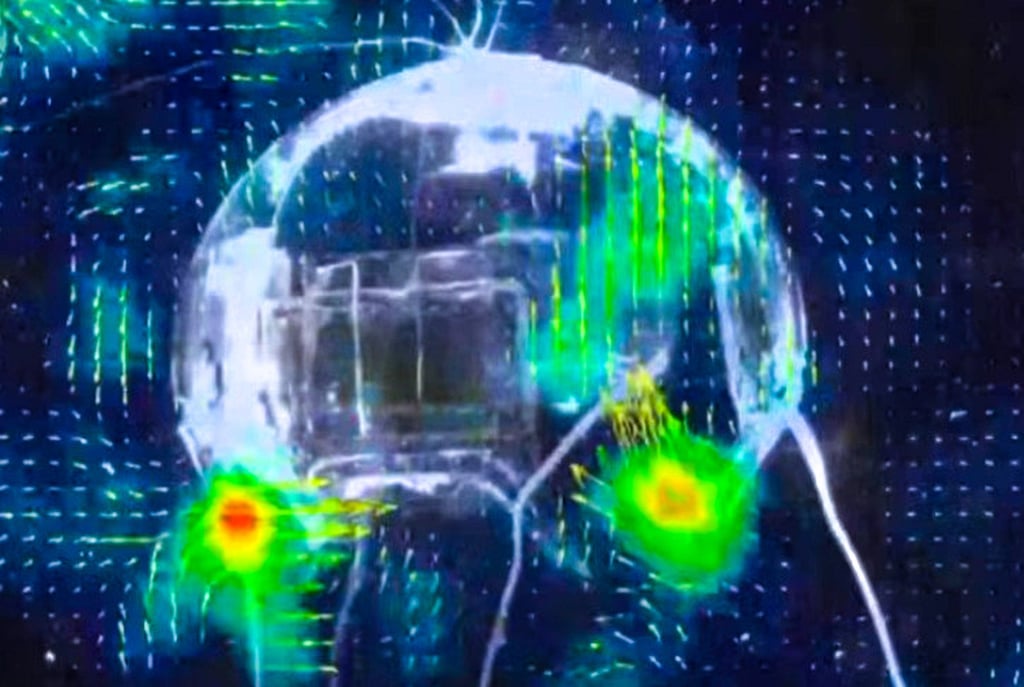
At its core, the new underwater phantom exhibits a lifelike design with an umbrella-shaped body and tentacles, mimicking the motion of its organic counterpart. With low power consumption and near-silent operation, this device can carry out deep-sea surveillance while minimizing environmental disturbances. In this editorial, we will examine the technology and assess its broader economic and industrial implications, taking a closer look at some of the trickier parts, tangled issues, and subtle bits of the development and its potential impact.
Nature-Inspired Design and Its Industrial Implications
The idea of borrowing inspiration from nature is hardly new in the world of robotics. However, what sets the ghostlike jellyfish robot apart is its nearly indistinguishable appearance when submerged. This lifelike design is not just a technical marvel—it could also provide essential advantages in fields ranging from environmental monitoring to underwater inspections of industrial structures.
Biomimicry and the Art of Stealth in Underwater Research
Biomimicry, the concept of imitating natural processes and forms, has been widely used in the design of modern technology. In the case of this ghost drone, the developers have managed to capture the subtle parts of jellyfish behavior and anatomy. The transparent hydrogel electrode material used in construction contributes to its ghostlike appearance and flexibility. It can perform muscle-like contractions that effectively emulate the real creature’s movement.
This nature-inspired design represents more than just an impressive piece of engineering—it exemplifies the potential for creating systems that integrate seamlessly into their environments. In industrial manufacturing, where sensitive underwater structures such as pipelines, offshore wind farms, or underwater cables require frequent inspection, a robot that can blend in naturally and operate with minimal interference offers a compelling alternative to more disruptive methods.
Technical Features and Benefits of a Ghostlike Drone
The robot, measuring just 120mm in diameter and weighing two ounces, exemplifies the miniaturization trend in modern robotics. Its compactness and lightweight design make it a practical option for several applications, from precise environmental monitoring to industrial facility inspections. Some of its key features include:
- Low power consumption: The device can operate for extended periods, making it ideal for long-duration missions.
- Near-silent operation: This feature minimizes noise pollution, ensuring that the device remains undetected in sensitive underwater environments.
- Lifelike movement: Its ability to mimic the muscle contractions and reflexes of a jellyfish enhances its stealth capabilities.
- Advanced sensor integration: Intelligent detection and real-time monitoring facilitate the collection of valuable underwater data.
These compelling traits make the robot a key player in future deep-sea research and industrial applications. It is especially appealing to businesses that manage or inspect underwater infrastructure, revealing both the benefits and the challenging twists and turns of deploying advanced technology in delicate ecosystems.
Impact on Small Businesses and Local Economies
While large corporations often dominate technological innovation discussions, small businesses and local industries can also reap significant rewards from technological breakthroughs such as this underwater ghost drone. At a time when many small enterprises are seeking to innovate but are often constrained by limited resources, innovative and compact technology like this can be a game changer.
Enhancing Competitiveness Among Small Manufacturers
Many small manufacturers and tech startups are actively looking for ways to incorporate advanced technology into their products and services. This technology not only promises an innovative edge but also opens up avenues for fresh revenue streams in fields requiring underwater surveillance and maintenance. For instance, businesses involved in offshore construction or marine research can potentially outsource regular monitoring tasks to a fleet of such ghost drones.
For small manufacturers wanting to stay ahead, the ability to adopt and integrate these innovations can provide them with a competitive advantage over peers. More importantly, it offers an opportunity to form strategic partnerships with scientific institutions or larger corporations, enabling small businesses to gain access to highly advanced product offerings without the heavy upfront costs associated with in-house development.
Creating New Business Models in Underwater Surveillance
The introduction of stealth underwater robotics can lead to entirely new business models. Consider the following possibilities:
- Subscription-based monitoring services: Small companies can offer regular inspection and monitoring of underwater assets on a subscription model, providing a steady income stream.
- Specialized repair and maintenance: Firms can integrate these robots into their service offerings to provide precise assessments, reducing repair time and costs for clients.
- Environmental impact studies: Businesses in the environmental consulting sphere will find the robot particularly appealing for its ability to monitor fragile ecosystems without causing major disruptions.
Such models not only increase the efficiency of underwater inspections but also diversify the market, enabling small businesses to tap into new streams of revenue while contributing to the conservation of maritime environments.
Economic and Strategic Implications for China and Beyond
Beyond the immediate industrial applications, the unveiling of this ghostlike jellyfish robot carries significant economic implications, particularly for China’s standing in the realm of high-tech manufacturing. As the technology moves from the lab to real-world applications, it is likely to affect business tax laws, research funding incentives, and even international trade policies.
Shifting Economic Priorities in High-Tech Sectors
The rapid evolution of underwater robotics is indicative of broader shifts in global high-tech sectors. China’s visibility in the realm of advanced manufacturing and high-tech research has bolstered its confidence in competing with Western counterparts. For policymakers, this breakthrough serves as a reminder of the importance of supporting domestic research and encouraging industrial applications through favorable business tax laws and innovation grants.
The technology is also likely to stimulate increased investment in complementary sectors, such as sensor technology, materials science, and high-performance computing. This could, in turn, create cascading benefits across other industries, including electric vehicles and automotive sectors, where research and design principles may overlap with those used in underwater robotics.
International Trade and Industrial Manufacturing Dynamics
As advanced robotics increasingly define industrial competitiveness, countries around the globe need to find their way through the twists and turns of an evolving trade landscape. Explorative ideas discussed in international forums highlight China’s intention to not only improve domestic capabilities but also expand export opportunities in high-tech solutions.
It is essential for business leaders and policymakers alike to approach this subject with a neutral perspective—acknowledging both the potential economic benefits and the tangled issues that can arise from international competition. In an environment where intellectual property rights, business tax laws, and market access are on constant negotiation tables, technology like the ghost droplet will certainly play a critical role. Some of the key aspects include:
| Aspect | Potential Impact |
|---|---|
| Research Funding | Increased allocations and innovation grants in STEM fields |
| Business Tax Laws | Preferential tax policies for high-tech manufacturing and research |
| Export Opportunities | Growing market share in global high-tech and underwater surveillance products |
| International Partnerships | Joint ventures with foreign tech firms to further refine the technology |
Such factors are super important for national economic strategies, and they help illustrate why innovations that may seem niche at first glance can have far-reaching implications for industrial manufacturing and economic policy.
Overcoming the Tricky Parts: The Challenges of Integrating New Technology
Despite the promising features of the ghostlike jellyfish robot, there are several tricky parts that both scientists and business leaders must address as the technology moves toward commercialization. These include regulatory hurdles, integration challenges, and the overall management of risk when introducing a novel product into well-established sectors.
Pushing Through Regulatory Hurdles and Safety Concerns
One of the primary challenges faced by developers in this field is adhering to strict safety and environmental standards. Underwater devices operating in sensitive marine environments must undergo rigorous testing to ensure that they do not disrupt local ecosystems or damage underwater infrastructures. Regulations in many countries—often full of problems and intimidating to navigate—are evolving quickly, and companies need to figure a path through them with caution.
It is critical that both developers and potential users of this technology work collaboratively with regulatory authorities. This has the dual benefit of ensuring compliance and enhancing public trust in the technology. In order to successfully launch on a global scale, the ghost drone’s manufacturers must continuously balance innovation against the nerve-racking challenge of fulfilling all regulatory requirements.
Integration into Existing Industrial Systems
The integration of underwater drones into established industrial systems is another area loaded with issues. Many companies—especially small businesses—may find it overwhelming to replace or supplement their existing monitoring systems with state-of-the-art robotics.
To help businesses manage their way through this transition, industry experts suggest taking a phased approach:
- Initial Pilot Testing: Begin by deploying the technology on a limited basis to gather real-world data and assess its performance.
- Incremental Integrations: Gradually integrate the robot with existing systems rather than undertaking a complete overhaul at once.
- Staff Training and Skill Development: Invest in training programs that help employees get into the little details of the technology.
- Collaborative Feedback: Work in close partnership with technology providers to adjust and improve the product based on practical experience.
This approach not only minimizes disruptions but also encourages companies to sort out the subtle points during early stages of adoption. With careful planning and phased integration, even smaller organizations can take advantage of the benefits offered by these advanced systems.
Stealth Technology and Its Marketing Implications
Beyond the technical and regulatory domains, the ghostlike jellyfish robot offers unique marketing opportunities. Its stealth features and nature-inspired design can be leveraged in creative campaigns aimed at positioning a company on the cutting edge of innovation. The ability to market such a futuristic product has far-reaching implications in both brand positioning and consumer engagement.
Crafting a Compelling Brand Narrative
Companies that choose to embrace and invest in this technology have the chance to redefine their brand narratives. In a market where product differentiation can be key, emphasizing a commitment to innovation and sustainability is a compelling message.
A well-crafted marketing strategy might focus on several core messages:
- Innovation in Action: Emphasize the groundbreaking design that mimics nature to achieve high performance in challenging environments.
- Environmental Responsibility: Highlight the minimal impact on marine ecosystems, reinforcing a message of sustainability.
- Cost-Efficiency: Point out the potential savings achieved through low power consumption and reduced need for extensive maintenance.
- Cutting-Edge Research: Position the technology as the result of meticulous scientific research and collaboration between academia and industry.
By weaving these themes into their marketing materials, companies can appeal to both environmentally conscious consumers and businesses looking for practical, cost-effective technological solutions.
Digital Marketing Strategies and Outreach
The digital era offers a platform for sharing the behind-the-scenes stories of technological innovation. Thought leadership articles, engaging video demonstrations, and interactive web content can all be used to show potential clients the subtle details behind the robot’s design and its numerous applications.
Businesses aiming to use this technology must consider the following digital marketing tactics to reach both B2B and B2C audiences:
- Search Engine Optimization: Use long-tail keyword phrases focused on underwater robotics, industrial automation, and eco-friendly technology to improve online visibility.
- Social Media Campaigns: Leverage platforms like LinkedIn, Twitter, and industry-specific forums to build a community around the technology.
- Webinars and Virtual Demonstrations: Host online sessions where experts poke around the details of the device’s design, explaining its advantages and applications in simple, relatable terms.
- Case Studies and Success Stories: Publish real-world examples of how the technology has been successfully deployed, highlighting the small distinctions that set it apart from traditional surveillance equipment.
These strategies ensure that the technology not only reaches a wide audience but also builds a persuasive case for its widespread adoption in multiple sectors.
The Interplay Between Advanced Robotics and Electric Vehicles
Although at first glance underwater robotics and electric vehicles may appear unrelated, a closer look reveals several crossovers in technology and design principles. Both sectors focus on energy efficiency, streamlined designs, and the integration of advanced sensors and software.
Energy Efficiency and Lightweight Engineering
Electric vehicles benefit greatly from lightweight construction and low power consumption technologies—traits that are mirrored in the ghostlike jellyfish robot. The use of advanced materials such as hydrogel electrodes not only improves flexibility and resilience underwater, but it may also inspire innovations in energy storage and battery design for electric vehicles.
By studying the compact and power-efficient design of underwater drones, manufacturers in the automotive sector might discover new ways of reducing weight and enhancing overall performance. In this way, innovations in one field can trigger a cascade of improvements in another, demonstrating that the challenges in these fields are often just different twists and turns on the same underlying problems.
Sensor Technologies and Autonomous Navigation
Both electric vehicles and underwater drones rely heavily on state-of-the-art sensors for autonomous operation. The real-time monitoring and intelligent detection systems used in the ghost drone have parallels in the self-driving capabilities of modern electric cars. Improvements in sensor accuracy, data processing algorithms, and environmental adaptation can benefit not only underwater surveillance but also open new frontiers in the automotive space.
This overlapping technological ecosystem suggests that breakthroughs in one area can have ripple effects across multiple industries. It also indicates that collaboration between technology sectors—previously seen as distinct—could lead to synergistic solutions that benefit a broad range of markets.
Business Tax Laws and the Funding of Technological Innovation
Government policies and business tax laws play a critical role in the development and commercialization of advanced technologies. Innovations such as the ghostlike jellyfish robot highlight the need for tax incentives and research grants designed to support high-tech endeavors, especially in sectors with a high degree of technical twists and turns.
Tax Incentives to Promote Research and Development
For technology startups and small manufacturers, favorable tax conditions are super important to encourage continuous innovation. Government incentives tailored for research and development can help mitigate the intimidating costs of bringing new products to market. In China and other nations aiming to become leaders in high-tech industries, this approach is proving both essential and transformative.
Examples of possible business benefits include:
- R&D tax credits: Reduced tax liabilities for companies investing in furthering the technology.
- Accelerated depreciation: Allowing businesses to write off equipment costs sooner, freeing up cash for further investments.
- Subsidies and grants: Direct financial support earmarked for technology innovations, easing the nerve-racking burden of upfront expenses.
- Public-private partnerships: Collaborative ventures between governments and tech companies that help share expertise and risks.
Each of these incentives can help small businesses and larger firms alike to build a robust ecosystem around emerging robotics technology, ensuring long-term benefits for both industry and the broader economy.
Aligning Business Policies with Technological Advancements
In a rapidly evolving technological environment, it is essential for policymakers to figure a path that aligns business tax laws and innovation-driven funding with strategic economic goals. The case of the ghost drone underscores the importance of creating an environment where companies feel supported rather than overwhelmed by regulatory and financial hurdles.
To make this work, governments could consider:
- Streamlined approval processes: Simplifying regulatory procedures for high-tech products to reduce delays and associated costs.
- Targeted innovation zones: Designating special economic areas where companies can test and deploy new technologies with reduced regulatory burdens.
- Collaborative programs: Initiatives that bring together academia, industry, and government to address the little details of product development and market introduction.
These measures may help ensure that the hidden complexities involved in introducing advanced robotics are managed in a way that benefits everyone—from local small businesses to large industrial enterprises.
Looking Ahead: The Future of Underwater Robotics and Its Broader Impact
As we witness the unveiling of transformative technology like the ghostlike jellyfish robot, it becomes clear that the future of underwater robotics is more promising than ever. Innovations in this field will continue to ripple across various sectors and influence business practices, economic policies, and even the design philosophies of unrelated industries like electric vehicles and automotive manufacturing.
Embracing the Changing Landscape of Robotics and Innovation
The gradual shift toward autonomous, nature-inspired robotics is a sign of how industries are adapting to modern challenges. With the integration of real-time data analytics and advanced sensor technology, companies can expect to see improvements in efficiency, cost management, and environmental sustainability. The potential for these devices to carry out tasks that were once nerve-racking or off-putting—such as deep-sea inspections—opens doors for further innovation in sectors previously considered too tricky or dangerous for human intervention.
In the coming years, we may well see a convergence of robotics technologies across different sectors. For instance, lessons learned from underwater stealth technology might inform aspects of autonomous vehicle safety protocols or even aviation. The overlapping areas of sensor technology, energy efficiency, and compact design signal a future where technological innovation is increasingly interconnected.
Integrating Marketing and Economic Strategies for a Sustainable Future
For companies and policymakers alike, the challenge will be to take a closer look at each step of the integration process—from R&D and manufacturing to marketing and regulatory compliance. This requires a balanced, neutral approach that recognizes both the potential rewards and the tangled issues inherent in pioneering new technology.
In a competitive global landscape, success will ultimately depend on the ability to understand and manage the subtle details that make advanced technology both a disruptive force and a valuable asset. Whether it is through innovative marketing strategies or supportive business tax laws, the road ahead is rich with opportunities for those ready to take the wheel and steer through new challenges.
Conclusion: A New Era for Underwater Robotics and Beyond
The ghostlike jellyfish robot represents more than just a technological curiosity—it marks the beginning of a new era for underwater surveillance and industrial applications. Its introduction not only exemplifies the benefits of biomimicry and energy-efficient design but also sets the stage for broader economic and strategic shifts within high-tech industries.
For small businesses, industrial manufacturers, and even sectors such as automotive and electric vehicles, innovations like these pave the way for more sustainable and efficient practices. The blending of nature-inspired design with cutting-edge technology offers a blueprint for future advancements, where overcoming tricky parts and navigating through tangled issues becomes part of a larger story of progress and integration.
By embracing these changes with a balanced perspective and by recognizing the super important role of government policies and business tax laws, industry leaders can ensure that the deployment of such revolutionary technology becomes a shared success story. In the end, the ghostlike jellyfish robot is not just an underwater phantom—it is a herald of the new, integrated future of industrial technology, where science, business, and environmental stewardship converge to create a more resilient and adaptive global economy.
As this technology evolves, it invites us all to get into the little details, work through the subtle distinctions, and steer through the confusing bits with a spirit of openness and innovation. Whether you are a policymaker, a business leader, or a curious observer, this breakthrough offers plenty of food for thought and sets the stage for many exciting developments in the years to come.
Originally Post From https://www.scmp.com/news/china/science/article/3330169/china-unveils-ghost-drone-stealth-underwater-surveillance
Read more about this topic at
China unveils ‘ghost’ drone for stealth underwater …
China Unveils ‘Ghost Jellyfish’ Drone For Secret …