Kobenable Steel: A Game Changer in Decarbonizing Mass-Produced Vehicles
Over the past quarter century, FCW has been renowned for providing honest news and thoughtful analysis in industries ranging from small business and industrial manufacturing to automotive and emerging electric vehicle technologies. Today, we take a closer look at Kobe Steel’s latest breakthrough—the low-CO₂ blast furnace steel product, known as Kobenable® Steel—and its adoption by Toyota Motor Corporation. This progressive move points to a new era in mass-produced vehicle decarbonization, and here we share our perspective on why this development is both exciting and necessary.
In the spirit of open discussion, this opinion editorial will examine the evolution of Kobe Steel’s innovation, explore how this new product helps automotive manufacturers cut down on harmful CO₂ emissions, and consider the broader impact for an industrial sector that faces many tricky parts and tangled issues. In doing so, we will also highlight some key strategies and detailed factors that make the implementation of low-CO₂ steel a super important advancement in today’s automotive market.
Transforming the Automotive Landscape with Low-CO₂ Steel
In the competitive world of automotive manufacturing, achieving greener production methods is both a challenge and an opportunity. Toyota’s decision to incorporate Kobenable® Steel into its vehicle components is not just an incremental step—it represents a substantial leap toward environmentally friendly mass production of vehicles that still demand high quality and performance.
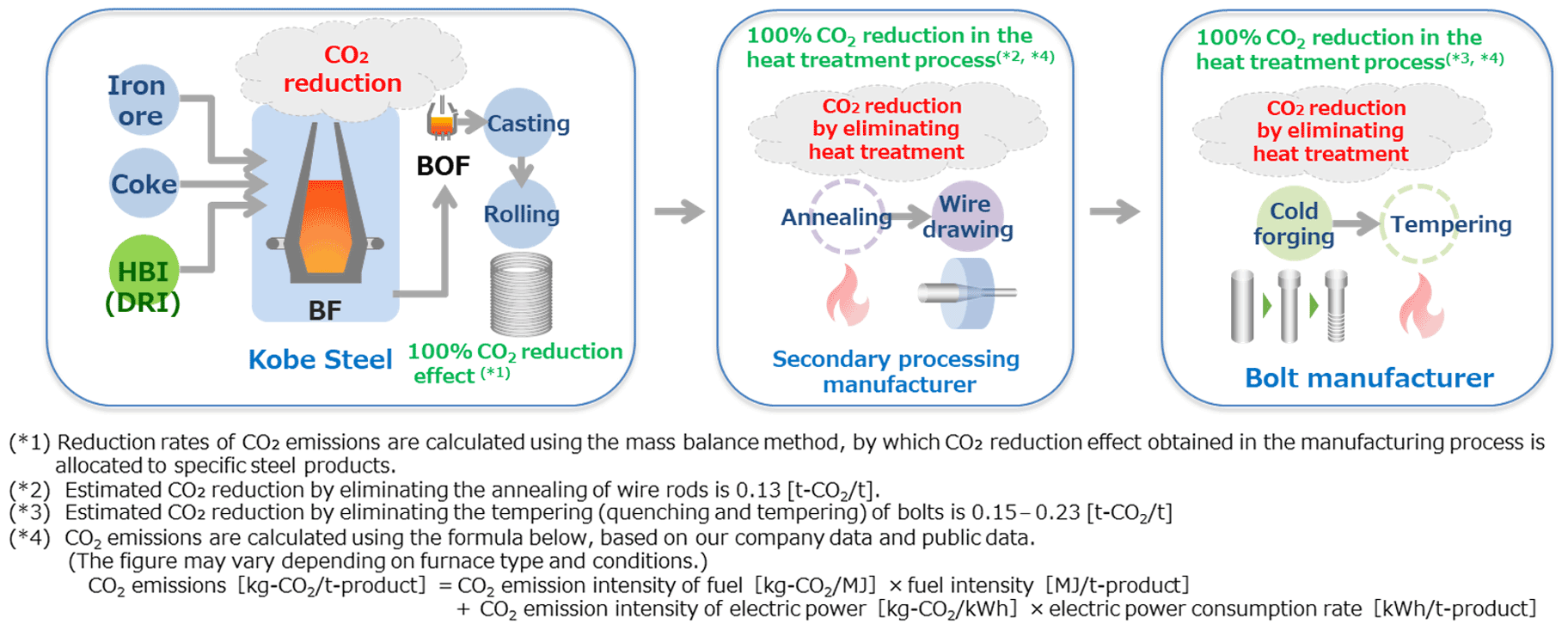
Kobe Steel’s proprietary technology for reducing CO₂ emissions in the blast furnace ironmaking process is impressive. By charging the blast furnace with a significant amount of hot briquetted iron produced via advanced processes, the company can reduce emissions by 20–40%. This approach, which involves intricate technical details and many twists and turns, is designed to offer a steel product with a substantially lower carbon footprint while maintaining the proven strength and reliability that consumers require.
Automotive Industry CO₂ Reduction Strategies in Mass Production
The automotive industry is often portrayed as being riddled with tension when it comes to adopting green technologies. Yet, the case of Kobenable® Steel shows that modern methods can work for mass-produced vehicles without sacrificing quality. Toyota, for example, had already experienced success using this innovation in components of its hydrogen engine-equipped racing vehicle, the Corolla, as early as 2022, and later in the carbon-neutral GR86 in 2023.
With the impressive track record from racing applications, Toyota’s decision to extend the use of Kobenable® Steel to mainstream vehicles signals a commitment to sustainable growth. The fact that this low-CO₂ steel product can cover a variety of applications—from steel sheets to special wire rods and ultra-high-tensile strength elements—further highlights its versatile benefits, making it an essential tool for bridging the gap between performance and decarbonization.
Harnessing the Mass-Balance Method for Emission Reduction
A critical aspect of Kobe Steel’s low-CO₂ approach is the adoption of the mass-balance method. This technique allows steel producers to allocate their CO₂ emissions reductions to specific products by obtaining an official certificate that verifies the lower emission intensity. In plain terms, this involves certifying that a portion of the steel produced has been created with a dramatically lower carbon footprint.
The mass-balance method is not without its challenges; however, its application in this scenario has empowered the company to offer GX steel products that meet rigorous quality standards. For vehicle manufacturers, using such certified steel removes many of the confusing bits about how to reduce overall environmental impact while keeping production costs reasonable and performance levels high.
Green Transformation and the Broader Industrial Landscape
Kobe Steel’s initiative is more than just another product release—it is a fundamental recalibration of what industrial manufacturing can look like in a world that is demanding more eco-friendly solutions. In line with its Medium-Term Management Plan (Fiscal 2024–2026), the company is working hard to become an even more appealing partner to its stakeholders by integrating its low-CO₂ steel into various components and processes.
This transition, marketed under the umbrella of Green Transformation (GX), is designed to contribute meaningfully to societal decarbonization. The successful deployment of Kobenable® Steel in both high-performance and mass-produced vehicles illustrates that with the right blend of technology and initiative, even traditionally heavy industries can find their way into a greener future.
Sustainable Manufacturing: Balancing Quality and Emission Reduction
The journey toward cleaner manufacturing is laden with daunting technical and regulatory challenges. However, innovations like Kobenable® Steel provide a case study in successfully merging quality production with essential environmental improvements. For automotive manufacturers facing nerve-racking decisions about how to reduce emissions without compromising product strength, low-CO₂ steel offers a pragmatic and proven solution.
Given that automotive products, especially those requiring special grades of steel like racing or high-tensile components, must pass stringent quality tests, Kobe Steel’s breakthrough reassures manufacturers that a sustainable option does not have to mean subpar performance. The continuity of quality from traditional steel to low-CO₂ steel is a key selling point that could influence many companies looking to revolutionize their supply chains while remaining competitive in a fast-changing market.
Key Benefits of Low-CO₂ Steel in Vehicle Manufacturing
Low-CO₂ steel addresses several of the delicate issues that have long troubled vehicle manufacturers. Its advantages include:
- Reduced Environmental Impact: The mass-balance method certifies that a significant percentage of CO₂ emissions have been offset, contributing to overall cleaner production techniques.
- Maintained Quality: Despite significantly reducing emissions, the steel maintains the necessary strength and performance for high-demand applications such as racing vehicles and everyday passenger cars.
- Supply Chain Resilience: With versatile production capabilities at sites like the Kakogawa Works and Kobe Wire Rod & Bar Plant, manufacturers can access low-CO₂ steel without having to overhaul existing supply systems completely.
- Industry Leadership: Adoption by a major player like Toyota paves the way for a broader industry trend that could encourage other companies to consider similar sustainable transitions.
Each of these benefits underscores the strategic value of transitioning to low-CO₂ products, one of several key innovations that are poised to redefine how the automotive and industrial sectors approach environmental challenges.
Industrial Manufacturing in a Changing World
The world of industrial manufacturing is full of tricky parts and tangent issues. Companies are now expected to take on both traditional production responsibilities and super important environmental goals. The shift toward sustainable industrial practices requires industries to not only upgrade their technology but also adjust long-standing operational frameworks.
Kobe Steel’s transformation is a case study in managing how to streamline production while working hard to reduce environmental impact. The company’s transition, branded under strategic initiatives like KOBELCO-X, demonstrates how an organization can tackle the challenging pieces head-on—merging innovation with the need for reliability. For industry professionals weighed down by the burden of outdated practices that are just too off-putting to change, breakthroughs like Kobenable® Steel provide a tangible path forward.
Adapting Production Processes for a Greener Future
Adapting production processes in an era where sustainability is must-have has required industrial giants to get into the fine points of technology integration. Kobe Steel’s strategy is to harness existing production methods while strategically integrating groundbreaking low-CO₂ solutions. This involves:
- Implementing new production controls that better manage the charging of blast furnaces with alternative raw materials.
- Integrating certified emission reduction tracking systems based on established mass-balance guidelines.
- Collaborating with automotive partners like Toyota to test and validate performance across a variety of applications.
These steps are essential as manufacturers across the globe look for robust solutions without getting completely bogged down by the tangled issues traditionally associated with overhauling legacy systems. In short, it is all about finding your way through the maze of technical and regulatory challenges.
Ensuring Long-Term Market Sustainability Through Innovative Steel Products
The integration of Kobenable® Steel into the automotive industry is a critical indicator of future trends. Sustainability is not a passing phase but rather a long-term market necessity that compels manufacturers to reconfigure their production lines. With stricter environmental regulations and a market that is increasingly sensitive to green alternatives, companies that adopt innovative products like low-CO₂ steel stand to gain on multiple fronts.
This emerging trend calls on industry leaders to figure a path that balances economic viability with environmental responsibility. As manufacturers learn how to manage their way through converting legacy materials to new, eco-friendly alternatives, they will likely see benefits such as reduced regulatory scrutiny, improved brand perception, and potentially even economic incentives from government bodies pushing for lower emissions.
Bridging the Gap Between Environmental Goals and Industrial Realities
One of the most significant challenges in today’s industrial landscape is bridging the gap between the demand for environmental sustainability and the practical realities of large-scale production. Many companies face overwhelming obstacles when trying to incorporate green technologies into their established manufacturing processes.
However, the successful deployment of Kobenable® Steel is an example of how industry and environmental goals can coexist. Rather than compromising on the quality or performance of the steel, Toyota’s use of this low-CO₂ product in both its hydrogen-powered and carbon-neutral vehicles shows that even traditionally emissions-heavy sectors can benefit from a cleaner production process.
Looking at the broader picture through tables and lists can help simplify many of the confusing bits encountered when discussing such transformations:
| Aspect | Traditional Steel Production | Low-CO₂ Steel with Kobenable® |
|---|---|---|
| CO₂ Emissions | High, with significant environmental impact | Reduced by 20–40% through innovative processing |
| Quality Consistency | Long-standing high quality | Maintains quality level comparable to conventional steel |
| Application Range | Limited flexibility due to conventional processes | Wide range (sheets, plates, wire rods, bars) applicable even in high-demand use cases |
| Environmental Certification | Standard practices | Certified under the mass-balance method as per GX Steel guidelines |
This table shows that while traditional steel manufacturing has served the industry well for decades, modern challenges require a more refined approach. The emergence of low-CO₂ steel is a leap forward, providing a tangible solution that connects environmental responsibilities with production needs.
Opportunities and Challenges for the Future
While the benefits of low-CO₂ steel are indeed promising, the transition is not completely free of complications or heavy regulatory demands. It is important for the automotive and manufacturing sectors to work through the subtle details and little twists associated with such a significant change. Challenges include:
- Regulatory Hurdles: Aligning production processes with evolving environmental standards can be nerve-racking and requires constant adjustments.
- Supply Chain Integration: Incorporating alternative materials into existing production lines without affecting cost-efficiency or quality can be intimidating.
- Technology Adoption: The adoption of new production technologies is often loaded with issues, including the need for employee retraining and infrastructure upgrades.
- Market Acceptance: Even with stringent quality control, convincing consumers and investors of the benefits of a green transition involves overcoming resistant traditional mindsets.
Each of these issues forms a component of the overall industrial transformation. However, the inspiring example of Kobe Steel’s low-CO₂ product illustrates that the path to a more sustainable future is achievable when innovative technology is combined with proactive collaboration between industry leaders.
Reimagining the Role of Industrial Manufacturing in a Low-Carbon Economy
At a time when economic pressures meet environmental imperatives, companies like Kobe Steel are reimagining the way industrial manufacturing contributes to a low-carbon economy. The integration of Kobenable® Steel into mass-produced vehicles is not just an internal transformation for one company—it stands as a beacon for the sector at large.
This monumental shift is anchored by a willingness to integrate new technology, rethink traditional production lines, and take your time stepping into a greener future. With automotive giants like Toyota leading the charge, the ripple effects across other sectors, including small business suppliers, component manufacturers, and even the chemical industries that support steel production, are expected to be profound.
The Ripple Effect Across Industries
The positive impact of adopting low-CO₂ steel is expected to extend far beyond the automotive sector. As more manufacturers consider alternatives to conventional production methods, we can anticipate:
- Broader Adoption of Sustainable Technologies: Industrial sectors may find innovative solutions for other tricky parts of their operations, resulting in increased research and development investment.
- Strengthening of Green Supply Chains: As more companies demand certified low-CO₂ materials, suppliers will have to adapt, leading to more comprehensive sustainability strategies across the board.
- Enhanced Market Competitiveness: Businesses that quickly adjust to meet environmental demands are likely to capture increased market share and enjoy better regulatory incentives.
Each step taken in the transformation process is part of a larger trend toward integrating sustainability with industrial success. Although there are plenty of confusing bits and tangled issues to work through, these changes point to a future where eco-friendly practices are a routine part of manufacturing strategy.
Encouraging a Collaborative Approach to Sustainability
One of the noteworthy aspects of this breakthrough is the spirit of collaboration that it embodies. By partnering with forward-thinking companies such as Toyota, Kobe Steel is not only pushing the boundaries of what low-CO₂ steel can achieve but is also setting an example for how to work through the fine points of industrial transformation in a collective manner.
This kind of industry partnership is critical. It underscores that working together—whether through testing new products in racing vehicles or scaling up to mass-produced models—helps companies find their path through the maze of technical challenges and supply chain adjustments. The collaborative model encourages shared responsibility in tackling environmental change, ensuring that progress in one area supports broader market and industrial sustainability goals.
The Road Ahead: Industry Transformation and Environmental Impact
Looking ahead, the integration of low-CO₂ steel into mass-produced vehicles is just the beginning. As more companies get around to sorting out their emission reduction strategies, the landscape of industrial manufacturing will likely be reshaped by innovative products that offer both performance and environmental benefits.
In our view, the following key trends are likely to shape the future:
- Wider Adoption of Green Materials: With increasing demand for eco-friendly practices, more manufacturers will look for certified green materials that meet strict quality standards.
- Enhanced Focus on Lifecycle Emissions: Companies will start tracking and reducing emissions throughout the product lifecycle, from raw material extraction to end-of-life recycling.
- Advanced Regulatory Frameworks: Governments and industry bodies will work together to develop regulatory measures that not only ensure better environmental outcomes but also provide incentives for green innovation.
- Customer-Driven Sustainability: As consumer awareness of environmental issues grows, market pressure will push companies to demonstrate transparent, sustainable practices across all aspects of production.
This forward-thinking approach is pivotal in ensuring that the automotive and industrial sectors remain competitive while playing a critical role in the fight against climate change. For consumers, investors, and regulators alike, the emergence of technologies such as Kobe Steel’s low-CO₂ blast furnace steel is a reassuring sign that the industry is prepared to meet and overcome the nerve-racking challenges of the modern world.
Future Investment and Policy Implications
The implementation of environmentally friendly measures like Kobenable® Steel could influence market dynamics in several key ways. Investment in research and development will likely accelerate as companies seek to replicate and improve upon successful technologies. Policy makers, too, may use these advancements to shape new frameworks that support sustainable industrial practices.
Key policy recommendations include:
- Incentivizing Innovation: Offering tax breaks or grants to companies that invest in green technologies can help mitigate the overwhelming cost pressures of transitioning to sustainable manufacturing.
- Establishing Clear Regulatory Guidelines: Well-defined rules for emission reductions and environmental certifications will assist companies in figureing a path through the controversial regulatory twists and turns.
- Promoting Cross-Industry Collaboration: Facilitating partnerships between different segments of the industrial sector can lead to shared best practices and quicker technology adoption.
By addressing these issues with transparent policies and collaborative efforts, governments and industry leaders can build a more sustainable economic framework that benefits everyone involved.
Conclusion: A Step Toward a Greener, More Sustainable Future
The decision by Toyota to integrate Kobe Steel’s low-CO₂ Kobenable® Steel into its mass-produced vehicles marks an important milestone in the evolution of both automotive design and industrial manufacturing. This innovative product addresses many of the small distinctions and subtle details that have long kept heavy industry on the back foot when it comes to environmental responsibility.
Through strategic partnerships, sophisticated engineering, and the application of the mass-balance method, Kobe Steel has demonstrated that it is possible to significantly reduce harmful emissions without compromising on quality. This success story is a testament to the importance of blending innovative technology with traditional production know-how to create solutions that meet today’s environmental and market demands.
While there are still many confusing bits and tangled issues to work through in the realm of sustainable manufacturing, the progress we are witnessing offers a clear signal that the automotive industry and its partners are ready to embrace green transformation. By learning from pioneers like Kobe Steel and Toyota, other companies can also begin to figure a path through the rough challenges of our era.
As we look to the future, it is essential to remember that every improvement—no matter how small—plays a key role in redefining the dynamics of industrial production, advancing environmental goals, and fostering a greener economy. The collaborative spirit that underpins initiatives like Kobenable® Steel not only inspires confidence but also serves as a model for how industries can tackle the nerve-racking challenges of today, ensuring that tomorrow’s industrial landscape is cleaner, more efficient, and built on sustainable foundations.
In the broader context, the low-CO₂ steel product represents an exciting step forward in industrial innovation, one that many in the small business, industrial manufacturing, automotive, electric vehicle, and business tax communities will be watching keenly. The journey toward a sustainable, decarbonized future may be full of tricky parts and intimidating challenges, but breakthroughs like these remind us that progress is not only possible—it is already underway.
Ultimately, as more industry leaders and innovators join forces to find their way through the fine points of green transformation, the promise of a cleaner and more prosperous future becomes ever more within reach. And that, in our view, is a future well worth fighting for.
Originally Post From https://fuelcellsworks.com/2025/11/11/news/kobe-steel-s-low-co-blast-furnace-steel-product-kobenable-steel-adopted-for-toyota-mass-produced-vehicles
Read more about this topic at
Green steel revolution: navigating a new frontier in 2025
Green Steel Revolution