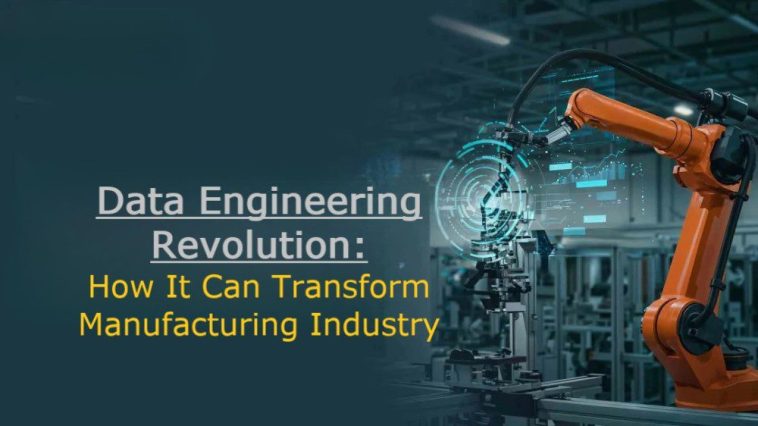

How Data Engineering is Revolutionizing the Manufacturing Landscape
In today’s rapidly evolving industrial arena, manufacturing companies are making a dramatic shift toward data-centric operations. This change isn’t just about upgrading old systems; it’s about transforming scattered information into clear, actionable insights. By taking a closer look at the new era of industrial automation, we see that data engineering is playing a key role in boosting efficiency, reducing costs, and ultimately, strengthening competitiveness.
The transformation is evident across the board—from factories brimming with Internet of Things (IoT) sensors and robotics to large corporations integrating digital twins and advanced automation. With production facilities generating terabytes of data daily, the challenge now is to figure a path through the twisted maze of unstructured and fragmented information. In doing so, manufacturers are better equipped to monitor production lines, predict equipment failures, and prevent potential safety issues before they escalate.
Industrial Automation Data Engineering Strategies: A Deep Dive
Manufacturing plants today are loaded with data thanks to the surge of industrial automation. Whether it’s through robots, IoT sensors, or control systems, every piece of machinery contributes to a massive pool of information. This data, however, often comes in many confusing bits—from legacy systems and MES (Manufacturing Execution Systems) to SCADA (Supervisory Control and Data Acquisition) platforms and ERP (Enterprise Resource Planning) systems.
A common issue in many factories is that the data is stored in silos, making it challenging for plant managers to find their way toward creating a unified picture of the operations. Without a well-constructed data infrastructure, raw data remains just that—raw. Successful organizations are now turning to data engineering to create clean, actionable insights. This involves:
- Integrating Data: Bringing together disparate data from different systems and sources.
- Standardizing Information: Transforming unstructured and semi-structured data into a cohesive format.
- Building Scalable Pipelines: Creating pipelines capable of handling both real-time streaming and batch processes.
- Implementing Secure Storage: Establishing data lakes or warehouses that facilitate easy access and analysis.
These strategies allow manufacturers to transition from outdated, time-based maintenance to more responsive, predictive, condition-based maintenance models—saving both time and money.
Predictive Maintenance Trends in Manufacturing: Moving Beyond Reactive Models
One of the most compelling applications of data engineering in industrial environments is in predictive maintenance. Historically, many manufacturers followed scheduled, time-based maintenance regimens—whether it was quarterly, half-yearly, or annual assessments. However, these methods often miss the fine points of equipment behavior, leading to unplanned downtime and inflated operational costs.
Studies indicate that nearly 70% of equipment failures follow recognizable patterns that, if analyzed correctly, could be forestalled. With the explosive growth of data derived from Industrial IoT (IIoT) devices, manufacturers have the opportunity to transform maintenance practices from reactive to proactive.
By applying advanced data analytics, data engineers can predict when a machine might fail, allowing production teams to replace parts or adjust operations before a breakdown occurs. For example, a Chicago-based tech company leverages sophisticated data engineering techniques to monitor equipment health. This shift to a predictive model not only prevents disruptions but also contributes to significant cost savings—sometimes up to 18% compared to waiting for problems to occur.
Integrating Legacy Systems with Modern Data Platforms: Bridging the Gap
Many manufacturing plants find themselves in a tricky situation—trying to modernize while still relying on legacy systems that are on edge when it comes to integration with contemporary data platforms. Dismantling these older systems isn’t always feasible. The cost and risk factor, combined with the technical challenges involved, can make full-scale modernization seem overwhelming.
Data engineering services provide a practical solution by connecting these legacy systems with new platforms through robust APIs and ETL (Extract, Transform, Load) tools. In this way, manufacturers can steer through these tangled issues without a complete overhaul. The benefits of this approach include:
- Reducing downtime by allowing smooth data flow across all systems.
- Maintaining a consistent view of operations without compromising on data integrity.
- Enabling advanced analytics and machine learning models to access critical information.
This seamless integration is essential for readers looking to protect the significant investments already made in older systems while still embracing next-generation technology.
Data Pipelines for Real-Time Manufacturing Insights: The Heart of Smart Factories
At the core of modern smart factories is the ability to harness real-time data to optimize production. Data pipelines are the channels through which information moves from various sources to data lakes or warehouses. Here’s how the process typically unfolds:
Step-by-Step Overview of Data Pipeline Development
Step 1: Data Ingestion
Data ingestion involves gathering information from diverse origins—ranging from databases and files to web sources—and transferring it into a centralized storage platform, like a data warehouse or data lake. This can be executed in real time or in batch mode, depending on the business need.
Step 2: Data Storage
Once ingested, the data is stored securely. Structured data goes into data warehouses (such as Amazon Redshift, Google BigQuery, or Snowflake), while data lakes (like Amazon Lake Formation or Azure Data Lake Storage) are perfect for unstructured data like images, videos, and raw sensor outputs.
Step 3: Data Integration
Data integration breaks down silos and consolidates data for a unified view. This step ensures that every department—from procurement to production—has access to timely, consistent data, setting the stage for advanced analytics.
Step 4: Data Processing
At this stage, raw data is extracted, categorized, cleaned, and formatted. Converting chaotic, unstructured datasets into structured, digestible formats is key to effective analysis.
Step 5: Data Visualization
Finally, the processed data is translated into clear, visually appealing formats using tools like Tableau, Microsoft Power BI, or Zoho. These visualizations make it easier for decision-makers to spot trends, identify potential issues, and discover new opportunities.
This multi-step process enables manufacturing leaders to take a closer look at their operations, providing a bird’s-eye view of system performance and directing resources where they’re needed most.
Industrial IoT Data Flood Management: Organizing the Deluge of Information
Traditional manufacturing methods relied on manual logs and periodic assessments, but smart factories operate in a whole new dimension. A single production line today can produce terabytes of data each day—data that covers everything from temperature readings and vibration metrics to defect counts and energy consumption figures.
Managing this colossal deluge of data requires more than just robust hardware and storage—it calls for intelligent data engineering.
Table: Comparison of Data Management Approaches in Manufacturing
| Method | Description | Pros | Cons |
|---|---|---|---|
| Time-Based Maintenance | Regular, scheduled interventions regardless of actual equipment condition | Simple; Familiar to operators | Inefficient; Can lead to unnecessary downtime and higher costs |
| Predictive Maintenance | Data-driven insights predict when equipment intervention is necessary | Reduces downtime; Saves money; Enhances safety | Requires robust data infrastructure; Can be intimidating to set up |
By building effective data pipelines and tackling the tangled issues of unstructured data head on, manufacturers are able to distill clarity from chaos. This clarity translates into actionable insights, driving immediate improvements in operational efficiency and safety.
Enhancing Supply Chain Resilience with Advanced Data Engineering
Modern supply chains are composed of many moving parts—from procurement and logistics to raw materials management and production. Integrating data from these diverse sources allows for a unified view of the entire supply chain, which is critical for avoiding bottlenecks and unexpected delays.
Here are some of the key benefits that data engineering brings to supply chain management:
- Stock Optimization: Real-time data helps anticipate shortages and overstock scenarios, ensuring optimal inventory levels.
- Delay Anticipation: Advanced analytics can forecast delays in logistics, allowing preemptive decisions to mitigate disruptions.
- Enhanced Coordination: A unified data system ensures all departments—including purchasing, production, and sales—operate with the same information, reducing friction and miscommunication.
When manufacturers get into the nitty-gritty of supply chain data, the result is a proactive approach to managing inventory and production schedules. This not only boosts efficiency but also strengthens customer relationships by reducing the risk of delays.
Real-World Examples: Case Studies of Data Engineering in Manufacturing
The benefits of data engineering aren’t just theoretical. Several forward-thinking companies have already begun harnessing these techniques to improve their operations dramatically. For instance, consider a scenario where a manufacturer employs advanced sensor technology to monitor machinery health in real time. By analyzing streaming data, they can spot slight differences in vibration levels or temperature that indicate wear and tear long before a machine breaks down.
In another case, a business integrated data from legacy systems and modern IoT devices to achieve a unified dashboard view of their entire operation. This solution provided a timely, transparent picture of production performance, facilitating better decision-making and strategy planning.
Some common outcomes noted in these case studies include:
- Reduced unplanned downtime, saving millions in potential losses
- Improved asset utilization through predictive maintenance scheduling
- Enhanced operational safety by identifying and mitigating risks early
- Streamlined communication across departments through centralized data access
These real-world examples serve as powerful proof of the tangible benefits data engineering can deliver. For manufacturers looking to keep up with market demands and technological advances, investing in these areas is more than just a nice-to-have—it’s a must-have step toward sustainable growth.
Emerging Trends: The Future of Smart Factories and Data Engineering
As industrial automation continues to evolve, so too will the strategies and technologies underpinning it. The future of smart factories promises deeper integration between physical processes and digital analytics. Here are some emerging trends that are poised to shape the future of manufacturing:
Integrating Artificial Intelligence with Data Engineering
One of the most exciting developments is the fusion of artificial intelligence (AI) with data engineering. AI agents, when paired with robust data pipelines, can provide real-time insights by continuously learning from production data. These systems can adapt quickly to detect even the smallest nuances in equipment performance, ensuring continuous optimization.
Key benefits of AI integration include:
- Automated Anomaly Detection: Quickly identifying issues that may lead to equipment failures.
- Enhanced Decision Making: Real-time data processing helps managers make informed operational decisions.
- Dynamic Optimization: Continuous learning models adjust operations in real time for optimal performance.
Edge Computing and Decentralized Data Processing
Another emerging trend is the use of edge computing. Instead of sending all data to a centralized cloud, edge computing allows for local processing. This reduces latency in decision making—a critical factor in environments where every second counts. By processing data closer to its source, factories can ensure that insights are delivered faster, making it easier to tackle those nerve-racking twists and turns of real-time production management.
Enhanced Data Security Measures
As manufacturing plants move deeper into digital transformation, data security becomes super important. Protecting sensitive production data from cyber threats is a top priority, prompting manufacturers to deploy advanced security protocols as part of their data engineering frameworks. Techniques like encryption, multi-factor authentication, and continuous monitoring are now integral to safeguarding operational integrity.
Overcoming the Overwhelming Challenges: Tips for Implementation
While the benefits of data engineering in manufacturing are clear, implementing these systems is not without its tricky parts. The journey toward a fully integrated, smart factory can be full of problems and intimidating challenges. Here are some practical tips for manufacturers ready to take the plunge:
Start Small and Scale Up
Implementing data engineering solutions can seem overwhelming. Instead of a full-scale overhaul, start with pilot projects in key areas of the plant. This approach allows your team to:
- Test new technologies and processes on a manageable scale.
- Gather insights and address small issues before a broader rollout.
- Build confidence among team members and stakeholders.
Invest in Training and Development
Your workforce is the backbone of any transformation. Ensure that your team is well-versed in the latest data engineering tools and techniques. Regular training sessions not only boost confidence but also equip employees with the skills needed to get around the complicated pieces of system integration. Consider partnering with experts or industry leaders to bring in fresh perspectives and hands-on workshops.
Collaborate with Technology Partners
No company is an island, especially when it comes to cutting-edge technology. Collaborative partnerships with technology vendors and data engineering experts can bridge gaps in expertise and resources. Working together allows you to:
- Develop customized solutions that address specific operational needs.
- Leverage industry best practices to mitigate risks.
- Stay ahead of market trends with continuous innovation.
Monitor, Evaluate, and Iterate
Data engineering isn’t a set-and-forget technology—it requires continuous monitoring and iteration. Regular assessments of your data pipelines and analytics tools can help identify small twists and subtle details that may need tweaking. By establishing key performance indicators (KPIs) and using advanced visualization tools, you can keep a constant pulse on your system’s health and make necessary adjustments promptly.
Making the Case for Data Engineering: A Strategic Imperative
The benefits of data engineering extend far beyond operational improvements in manufacturing. They touch on every aspect of modern industrial operations—from product innovation to customer engagement. Turning unstructured data into actionable intelligence helps companies:
- Reduce unplanned downtime with predictive maintenance.
- Optimize supply chains by delivering real-time insights.
- Improve product quality and customer satisfaction by continuously refining processes.
- Strengthen overall competitiveness in an increasingly connected global market.
In an era where even small production delays can lead to significant financial losses, the shift toward data-centric manufacturing isn’t just a technological upgrade—it’s a strategic imperative. Companies that start to get into the nitty-gritty of data engineering now will be better positioned to thrive in a future defined by constant innovation and digital transformation.
Case for Change: Why Traditional Methods No Longer Suffice
For many manufacturers, legacy systems and outdated time-based maintenance strategies have worked well enough in the past. However, in today’s fast-paced, interconnected production environment, these conventional methods are increasingly on edge. The hidden complexities and subtle parts of modern production demand a more integrated, real-time approach.
Relying solely on periodic checks makes it difficult to catch early signs of equipment degradation. When day-to-day operations depend on precise, split-second decisions, even a slight miscalculation can lead to prolonged downtime and significant financial loss.
By contrast, data engineering to transform raw data into clear, actionable insights delivers a system that is reactive to current conditions rather than stuck in a routine cycle. In doing so, manufacturers can:
- Reduce the likelihood of unexpected breakdowns
- Streamline maintenance schedules
- Focus resources on high-impact areas
This forward-thinking approach is not just about keeping up—it’s about staying ahead, ensuring that production lines are agile, resilient, and more responsive to market demands.
Final Thoughts: Charting a Path Through the Data Maze
Embracing data engineering in the manufacturing field is clearly more than just a trend—it’s a necessary evolution. By addressing the tricky parts of integrating scattered data, manufacturers can unlock a treasure trove of opportunities. The key is combining robust technology with a proactive mindset to transform reactive methods into predictive, data-driven practices.
The journey is filled with challenging twists and nerve-racking decisions, but the rewards are substantial. Greater uptime, enhanced safety, efficient supply chain management, and improved customer engagement are all within reach when manufacturers harness the power of data engineering.
Looking ahead, the digital future for manufacturing is bright. As industrial IoT continues to expand and smart factory technologies evolve, data engineering will remain a super important component in shaping a more efficient, dynamic, and competitive production landscape.
Are you ready to take the wheel and make the most out of your untapped data goldmine?
Summary of Key Takeaways
To summarize the discussion:
- Data engineering is transforming manufacturing by converting unstructured data into actionable insights.
- Predictive maintenance, enabled by advanced data analytics, helps prevent costly equipment failures.
- Integrating legacy systems with modern data platforms is achievable through APIs and ETL tools.
- Building robust data pipelines is crucial for real-time decision making in smart factories.
- Advanced data engineering not only streamlines production but also enhances supply chain and inventory management.
- The integration of AI and edge computing further strengthens manufacturing capabilities, boosting efficiency and safety.
For businesses in the manufacturing sector, harnessing the power of data engineering is no longer optional—it’s a strategic move for survival and growth in an increasingly complex and competitive global market.
About the Author
As a seasoned observer of industrial manufacturing and business technology trends, I have witnessed firsthand how digital transformation redefines traditional production practices. Through extensive research and years of experience covering economic news, business tax laws, and automotive innovations, I believe that embracing new technologies such as data engineering isn’t just beneficial—it’s imperative for long-term success.
By continuously finding your way through the complicated pieces and nerve-racking challenges of modern production, manufacturers can unlock unprecedented opportunities. The digital future is here, and those who combine innovation with careful strategy will lead the charge into tomorrow’s manufacturing landscape.
Originally Post From https://www.kdnuggets.com/2025/11/damcosolutions/how-data-engineering-can-power-manufacturing-industry-transformation
Read more about this topic at
Digital transformation in manufacturing: A guide to …
Digital Transformation in Manufacturing: A Complete Guide